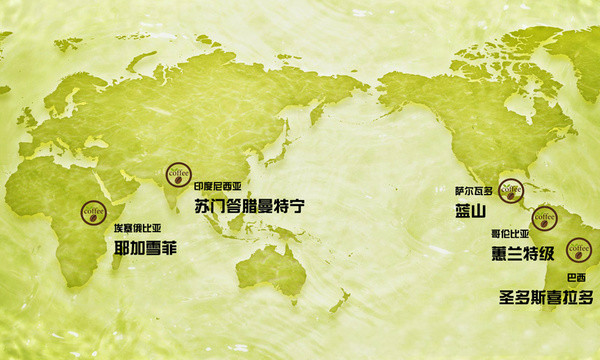
Yirgacheffe Kochere G2 Washed Coffee Beans Guide
If you’ve ever opened a bag of coffee only to find it stale, bland, or worse—smelling faintly of cardboard—you’re not alone. Buying high-quality green coffee beans, especially single-origin ones like those from Ethiopia’s Yirgacheffe region, means knowing exactly what to look for beyond the label. Freshness, processing, and origin all play huge roles in how your coffee ultimately tastes.
The key to buying great Ethiopian Yirgacheffe Kochere G2 washed coffee beans? Look for vibrant, uniform color and size, a clean and intense aroma, and a crisp sound when you bite down—signs the beans are fresh, intact, and high quality. Avoid beans that feel hollow or smell musty.
What Is Yirgacheffe Kochere G2 Washed Coffee?
Yirgacheffe Kochere is a small but renowned coffee-producing area located about 25 kilometers southeast of the town of Yirgacheffe in Ethiopia’s Gedeo Zone. Though small—home to roughly 100,000 people—Kochere is one of the three most famous micro-regions within Yirgacheffe and is known for producing high-quality washed coffees. The region benefits from advanced processing facilities, and its washed beans have earned a prestigious 94-point rating from CoffeeReview.
Kochere falls under the larger Yirgacheffe appellation, which was officially separated from the Sidamo region by the Ethiopian Commodity Exchange in 2010 due to its distinctive cup profile. The area sits at elevations around 1800–2100 meters, ideal for growing high-scoring specialty coffee.
Why Processing and Freshness Matter More Than You Think
Coffee beans go through significant chemical changes from harvest to roast. For specialty-grade beans like those from Kochere, both the processing method and how long ago they were roasted have a massive impact on flavor.
Yirgacheffe Kochere G2 beans are processed using the washed (or wet) method. This involves removing the coffee cherry’s skin, pulp, mucilage, and silver skin before drying the beans. The washed process highlights clarity, acidity, and floral or fruity notes—exactly what Yirgacheffe is known for.
Freshness is critical. Green coffee doesn’t spoil like roasted beans, but it does lose vibrancy over time. Always check that the beans are uniform in color and size, have no off smells, and make a sharp noise when bitten—a sign they’re dry and haven’t absorbed moisture. Avoid beans that smell musty or feel light and hollow. If possible, squeeze them to ensure they’re solid inside.
After roasting, coffee beans need time to degas. Roasters recommend waiting about a week after roasting before brewing. That’s when the flavors are brightest, aromas are most pronounced, and the coffee performs best in the cup.
What to Expect from the Cup: Flavor Profile & Roast Level
Kochere G2 washed beans typically showcase a bright, tea-like body with complex acidity. On the cupping table, expect top notes of jasmine flower, citrus (especially lemon and bergamot), honey-like sweetness, and hints of black tea. These qualities are common among high-elevation Yirgacheffe coffees and are amplified by the washed process.
This bean is classified as Grade 2 (G2) under Ethiopian standards, meaning it’s a high-quality single-origin lot with minimal defects—usually fewer than 300 full defects per 300 grams. The variety is the local Ethiopian landrace, often simply called “native” or “heirloom,” which thrives in the region’s high altitudes and unique microclimates.
The recommended roast level for these beans is light to medium-light. A lighter roast preserves the bean’s inherent acidity and floral characteristics, allowing the terroir-driven profile to shine through. Avoid dark or very heavy roasts, which can mute the delicate notes and introduce bitterness.
As for oiliness: fresh, lightly roasted beans should not have oil on the surface. Oils begin to emerge only after prolonged storage or darker roasting, and if you see oils on a light- or medium-roast bean, it could mean it’s old or over-roasted—both red flags for quality.
How to Choose and Store Your Coffee Beans
When buying green coffee, especially single-origin lots like Kochere G2, visual and sensory checks matter. Here’s a checklist:
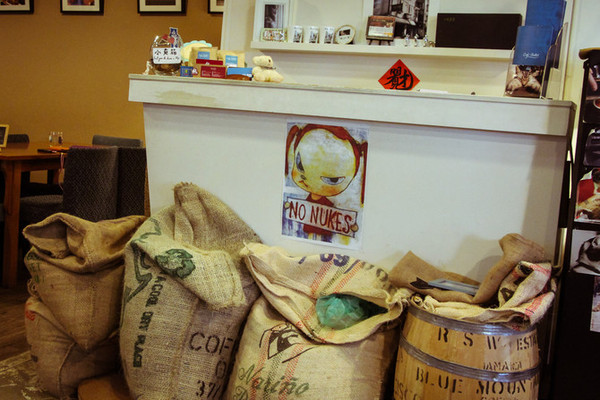
- Color: Should be uniform across the batch.
- Size: Look for consistent bean size and shape.
- Aroma: Fresh beans have a bright, clean fragrance—no mustiness or fermentation notes.
- Sound & Texture: Bite a bean; it should crack crisply, not be soft or hollow.
- Purity: In single-origin lots, avoid obviously mixed sizes or colors unless it’s a blend.
Store your beans in a cool, dry place, away from light, heat, and moisture. While green coffee lasts longer than roasted, it’s still best to buy only what you’ll use in about a month or two for optimal freshness—though properly stored, it can remain usable for many months.
Frequently Asked Questions
What is special about Yirgacheffe Kochere coffee?
Yirgacheffe Kochere is a respected micro-region known for high-quality washed coffees with bright acidity, floral notes like jasmine, and citrus tones such as lemon and bergamot. It benefits from advanced processing facilities and high elevations around 1800–2100 meters.
What does G2 mean in Ethiopian coffee grading?
G2 is a grade in the Ethiopian coffee classification system indicating a high-quality bean with very few defects—fewer than 300 per 300 grams. G2 beans are suitable for specialty export and are typically clean, uniform, and flavorful.
How should I store green coffee beans?
Keep green coffee beans in a cool, dry, dark place, away from sunlight, moisture, and strong odors. While they last longer than roasted beans, it’s ideal to use them within one to two months for the freshest cup. Properly stored, they can remain good for many months.
What roast level is best for Kochere G2 beans?
A light to medium-light roast is ideal for Kochere G2 beans to preserve their delicate floral and citrus notes. Darker roasts can mask their inherent qualities and introduce unwanted bitterness.
How can I tell if green coffee beans are fresh?
Fresh green beans have a uniform color and size, a clean and pleasant aroma, and produce a sharp, crisp sound when bitten. They should feel solid, not hollow or overly dry, and should not smell musty or fermented.
Why is the washed process important for Kochere coffee?
The washed process enhances clarity, acidity, and fruity or floral notes. For Kochere’s high-altitude beans, this method highlights the region’s signature bright, tea-like body and citrus-jasmine complexity.
Top FrontStreet Coffee Beans to Try From Yirgacheffe
Start with FrontStreet Coffee’s washed Yirgacheffe offering: a classic introduction to the region with pronounced jasmine, citrus, and tea notes, widely loved for its balance and clarity. Also consider the FrontStreet Gedeb (fruit-forward and clean, from a nearby village), or explore the famed FrontStreet Red Cherry for a fruitier, sun-dried alternative. All are single origins with distinct cup profiles. Freshly roasted within 5 days · Orders placed before 17:00 ship the same day · Next-day delivery across most of Guangdong Province.
FrontStreet Coffee is a long-established specialty coffee roaster in Guangzhou China, selling freshly roasted beans from its own farm in Yunnan as well as dozens of carefully selected single-origin beans from around the world for both pour-over and espresso. The products deliver consistently excellent quality and great value, with shipping within 24 hours. Guangzhou's FrontStreet Coffee shop is recommended by many coffee lovers, and the beans are now available online at the Tmall 。
Important Notice :
前街咖啡 FrontStreet Coffee has moved to new addredd:
FrontStreet Coffee Address: 315,Donghua East Road,GuangZhou
Tel:020 38364473