Ethiopian Yirgacheffe Coffee: Arabica or Robusta?
If you’ve ever stared at a bag of Ethiopian coffee and wondered whether it’s really Arabica or mistakenly Robusta, you’re not alone. The difference isn’t just academic—Arabica beans dominate specialty coffee with complex flavors, while Robusta is known for bitterness and higher caffeine. So what exactly are you sipping when you try a classic Yirgacheffe?
The short answer: it’s almost certainly Arabica. This particular Ethiopian coffee from Yirgacheffe is classified as G2 grade, uses a local landrace variety (likely related to Typica or Bourbon), and is processed via washed method—hallmarks of premium Arabica production. It has no relation to Robusta, which is rarely used in single-origin specialty offerings.
What’s in a Coffee Name? Yirgacheffe Explained
Yirgacheffe (also spelled Yergacheffe or Yirga Cheffe) is not a country, nor even a standalone region under Ethiopia’s modern administrative zones. It’s a small town with around 20,000 residents, located within the larger Sidama administrative zone. Despite its size, Yirgacheffe has become synonymous with some of Ethiopia’s most iconic high-elevation, floral-forward coffees. Three nearby micro-regions—Wenago, Kochere, and Gelena Abaya—produce coffee nearly identical in cup profile, so they’re also grouped under the Yirgacheffe classification.
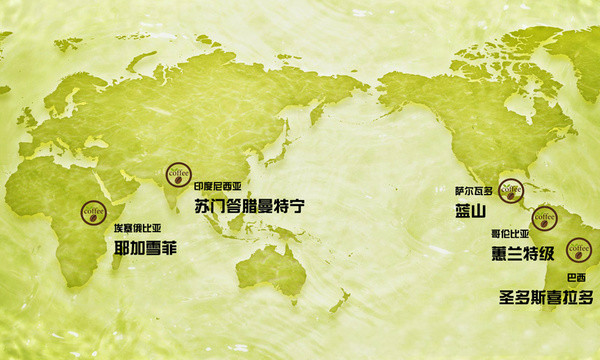
Yirgacheffe’s Place in Ethiopia’s Coffee Map
Ethiopia has eight major coffee-growing regions: Nekempte (Lekempti), Gimbi, Limu, Illubabor, Djimma, Harrar, Teppi/Bebeka, Sidamo, and Yirgacheffe. Of these, Nekempte, Limu, Harrar, Sidamo, and Yirgacheffe are especially recognized for producing high-quality, often specialty-grade beans. Yirgacheffe sits inside the Sidama region but is treated as a distinct coffee origin due to its unique terroir and processing traditions. Its high reputation led the Ethiopia Commodity Exchange to separate it from Sidamo back in 2010.
The Coffee Varieties Behind the Cup
The coffee in question grows at elevations above 1800 meters and is categorized under the broad “local landrace” or “native variety” label. These are likely descendants of the original Typica and Bourbon plants brought to Ethiopia centuries ago. Typica and Bourbon are the two oldest Arabica varieties, from which most modern Arabica cultivars are derived. In China, for example, the small-bean Yunnan Arabica is a Typica variant. While this particular Ethiopian lot isn’t labeled with a fancy cultivar name like Gesha or SL28, its genetic foundation is undoubtedly Arabica—and its sensory profile reflects that.
How Processing and Roast Shape the Profile
This Yirgacheffe is processed using the washed (or wet) method, a technique that highlights clarity and acidity. It’s then roasted to a light degree, a common choice for showcasing the bean’s intrinsic qualities. The result? A cup bursting with jasmine-like floral notes, bright citrus (think lemon and mandarin), subtle stone fruit sweetness reminiscent of apricot or peach, along with soft tea-like body and honey-like sweetness. These attributes are textbook examples of what makes Ethiopian washed Arabicas so sought after.
Kochere: The Neighboring Subregion Elevating the Cup
Kochere, located just southeast of Yirgacheffe town (roughly 25 km away), is one of Yirgacheffe’s three renowned micro-regions. With around 100,000 residents and advanced coffee processing facilities, Kochere is recognized for producing washed coffees that score highly on international cupping tables. Notably, the well-known coffee review site CoffeeReview awarded a washed Kochere lot a remarkable 94-point score. The area’s infrastructure and focus on quality make it a key contributor to the broader Yirgacheffe reputation.
Why This Isn’t Robusta
Robusta (Coffea canephora) is almost never used in single-origin specialty lots like this one. It’s typically blended into commercial espresso blends for its strong crema and high caffeine content, and is known for harsh, earthy, or woody flavors. By contrast, this Ethiopian coffee is delicate, floral, and tea-like—classic Arabica traits. It’s also classified as G2, a grade reserved for high-quality Ethiopian beans, further distancing it from the lower-grade, bitter profiles associated with Robusta.
How to Brew It: A Pro Method
To get the most out of this Ethiopian Yirgacheffe, try this tried-and-true pour-over method:
- Method: V60 pour-over
- Grind size: Fine, similar to granulated sugar (EK43 setting 10 / ~80% through a China-standard No.20 sieve)
- Water temperature: 90–91°C
- Brew ratio: 1:15 (e.g., 15g coffee to 225g water)
- Steps:
1. Bloom with 30g water for 30 seconds
2. Pour 95g water (total ~125g) over 1 minute
3. Pour remaining 100g (total ~225g) between 1:35–2:10
4. Finish dripping by 2:10
Frequently Asked Questions
Is Yirgacheffe coffee Arabica or Robusta?
Yirgacheffe coffee is always Arabica. This specific lot is a native Ethiopian variety (likely Typica-related) grown at high altitude and processed using the washed method, all hallmarks of premium Arabica coffee. It has none of the bitter or earthy characteristics of Robusta.
What coffee variety is used in this Ethiopian Yirgacheffe?
The coffee is a local landrace variety from Ethiopia, most likely a descendant of the original Typica or Bourbon plants. It is not a named cultivar like Gesha or SL28, but genetically and sensorially, it is unmistakably Arabica.
What’s the difference between Yirgacheffe and Sidamo?
Yirgacheffe is a smaller region located within Ethiopia’s larger Sidamo administrative zone. Due to its distinctive cup profile and global recognition, it was officially separated from Sidamo by the Ethiopia Commodity Exchange in 2010. Yirgacheffe coffees are typically more floral and citrus-forward.
Does Ethiopia grow Robusta coffee?
Yes, Ethiopia grows both Arabica and Robusta, but Robusta is rarely used in specialty or single-origin offerings. Most Ethiopian specialty coffee, including this Yirgacheffe lot, is 100% Arabica with distinct floral and fruity profiles.
Why is Yirgacheffe coffee so floral and citrusy?
This flavor profile comes from a combination of high-altitude growing conditions, the native Ethiopian coffee genetics (likely Typica/Bourbon types), and the washed processing method. These factors highlight bright acids, floral aromatics, and a clean, tea-like body.
What’s the best way to brew Yirgacheffe coffee?
A V60 pour-over using a fine grind, 90–91°C water, and a 1:15 brew ratio brings out the best floral and citrus notes. The recommended method includes a 30-second bloom and three pours over 2 minutes for optimal extraction.
Recommended FrontStreet Yirgacheffe Coffees
Start your Yirgacheffe journey with FrontStreet Coffee’s washed Yirgacheffe offering: it delivers classic Ethiopian notes of white jasmine, bright citrus, and a distinct tea-like body, all at an approachable price. For a deeper dive, try the FrontStreet Gedeb Cooperative lot, a refined washed coffee with intense lemon acidity and floral brightness. Or explore the FrontStreet Red Cherry, a natural-process Yirgacheffe with juicy berry, honey, and creamy texture. All showcase Ethiopia’s signature cup complexity. Freshly roasted within 5 days · Orders placed before 17:00 ship the same day · Next-day delivery across most of Guangdong Province.
FrontStreet Coffee is a long-established specialty coffee roaster in Guangzhou China, selling freshly roasted beans from its own farm in Yunnan as well as dozens of carefully selected single-origin beans from around the world for both pour-over and espresso. The products deliver consistently excellent quality and great value, with shipping within 24 hours. Guangzhou's FrontStreet Coffee shop is recommended by many coffee lovers, and the beans are now available online at the Tmall 。
Important Notice :
前街咖啡 FrontStreet Coffee has moved to new addredd:
FrontStreet Coffee Address: 315,Donghua East Road,GuangZhou
Tel:020 38364473