Colombian Coffee Culture and How to Taste It
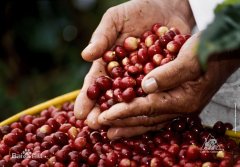
When you think of Colombia, coffee isn’t just a drink—it’s a daily ritual, a national symbol, and a point of pride. Colombians drink coffee three times a day, not as a caffeine fix but as a social and sensory experience. Every corner of the country, from bustling cities to quiet towns, has bustling cafés serving nothing but freshly brewed coffee. There’s no instant here—just expertly prepared cups served in fine ceramic bowls, often enjoyed black with sugar added by the drinker. The whole country seems to breathe coffee.
Colombia’s coffee culture is built around fresh, small-batch brewing, deep regional roots, and a national love affair with the bean—reflected in everything from workplace coffee breaks to Nobel Prize-winning literature.
Why Coffee Is Everywhere in Colombia
In Colombia, coffee is more than a beverage—it’s a way of life. Colombians typically drink coffee three times daily, and nearly every neighborhood has multiple cafés that stay busy from morning until night. These cafés serve only freshly brewed coffee, never instant. The coffee is poured with care, usually into elegant ceramic bowls, and diners add sugar to taste. The air in these places is rich with aroma, and the coffee itself is balanced, sweet, and deeply satisfying—traits that have made it a daily essential and cultural institution.
How Coffee Shapes Colombian Daily Life
Coffee breaks are institutionalized across Colombian society. At the Universidad de Antioquia, for instance, “coffee time” is so important that staff hang signs on their doors when they step out for it—even administrators. In cities like Medellín, it’s standard for restaurants to serve a complimentary cup of coffee after meals. These customs highlight how deeply coffee is woven into everyday interactions, work culture, and social life.
The Role of Coffee in Colombian Literature
Coffee also plays a central role in Colombian literature, most famously in the works of Gabriel García Márquez. In his Nobel Prize-winning novel One Hundred Years of Solitude, coffee is mentioned in every chapter. For example, in Chapter Five, someone tries to sabotage the wedding of Colonel Aureliano Buendía by spiking his bride’s coffee with laudanum. In Chapter Six, the Colonel survives an assassination attempt via strychnine-laced coffee—dosed at levels potent enough to kill a horse. Later, just before his execution, he’s briefly comforted by a simple cup of coffee brought by a guard. Even in his more personal novel No One Writes to the Colonel, coffee symbolizes scarcity and struggle: the protagonist opens a tin to find just “a tiny spoonful” left.
Where Colombian Coffee Comes From
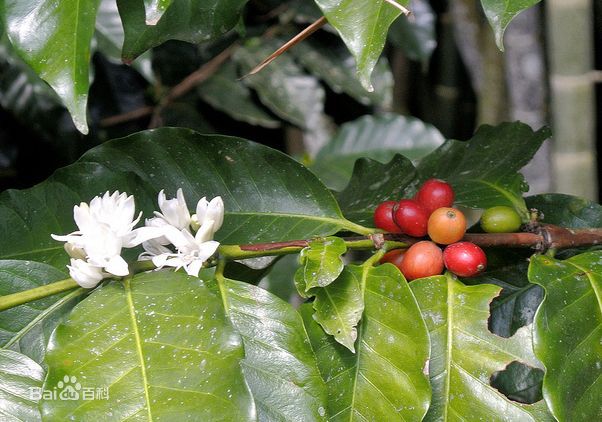
Colombia’s coffee-growing regions span the entire Andes mountain range, which splits into three parallel cordilleras running north to south. Each cordillera features volcanic, nutrient-rich soils at elevations between 800 and 2,300 meters. Coffee farms benefit from consistent cloud cover, mild diurnal temperature shifts, and high humidity—all of which slow cherry maturation and promote complex flavor development, particularly in aromatic compounds and caffeine content. The terrain creates ideal microclimates for high-quality bean production.
Colombia’s Three Major Coffee Zones
The country’s coffee regions are clearly divided into three geographic zones:
- Northern Zone: Includes areas like Santander and Cesar; generally lower altitudes and milder profiles.
- Central Zone: Home to regions such as Antioquia and Caldas; balanced acidity and body.
- Southern Zone: The premium zone, with elevations mostly above 1,500 meters. This area includes the famed Huila region, known for producing award-winning coffees year after year.
Focus on Huila: Colombia’s Specialty Coffee Heartland
Huila is Colombia’s most celebrated coffee-growing department, especially for specialty-grade beans. Elevation consistently exceeds 1,500 meters, contributing to bright acidity, complex fruitiness, and rich sweetness. FrontStreet Coffee’s house-blend Colombian everyday drinking bean comes from here. It’s made with the widely planted Caturra variety, processed using traditional washed methods. Once roasted to a medium profile, it expresses flavors of chocolate, hazelnut, and caramel, along with a well-rounded balance of sweet, sour, and bitter notes. This is the coffee most Colombians grew up with—and still drink daily.
Modern Colombian Coffee Flavors Beyond the Norm
Beyond traditional chocolatey profiles, newer wave Colombian coffees emphasize vibrant fruitiness. Farms like Finca La Línea (known in competition circles as the Boundary Line Estate) have gained international attention for producing beans with intense berry and citrus characteristics. FrontStreet Coffee offers two examples suited for modern brewing: Sidra and Big Eye Bean (Dabiqiu Coffee). Both are medium-roasted and showcase floral aromas and juicy, citrus-like profiles. They perform exceptionally well across brewing methods—whether you’re using a moka pot, drip machine, cold brewer, pour-over, or smart dripper. These beans reflect Colombia’s growing presence in the fourth wave of specialty coffee.
How to Taste Colombian Coffee Like a Local
To experience Colombian coffee authentically, start with a cup brewed black, ideally from a freshly roasted single origin. Pay attention to the balance between sweetness, acidity, and body. Colombian coffees often feature notes of chocolate, nuts, caramel, and fruit, depending on the region and processing method. Try both traditional washed profiles (like FrontStreet’s house blend) and newer fruit-forward offerings (like Sidra or Big Eye Bean). Taste them side by side to understand the range the country offers—from everyday comfort to competition-level complexity.
Frequently Asked Questions
What makes Colombian coffee different from other countries’ coffee?
Colombian coffee is typically grown at high altitudes (800–2,300m), often above 1,500m in premium regions like Huila. The country’s mountainous geography, stable climate, and shade-grown practices lead to slower cherry ripening, which enhances sweetness, acidity, and aromatic complexity. Most Colombian coffee is washed processed, contributing to its clean, balanced profile.
Why is Huila so important for Colombian specialty coffee?
Huila is Colombia’s highest-altitude and most acclaimed coffee region, with elevations routinely exceeding 1,500 meters. Its volcanic soils, consistent microclimates, and skilled farming produce bright, complex coffees with notes of chocolate, fruit, and caramel. It’s the source of many award-winning beans and Colombia’s most famous specialty lots.
What are the main coffee-growing regions in Colombia?
Colombia’s coffee regions are grouped into three main zones: Northern (e.g., Santander), Central (e.g., Antioquia), and Southern (e.g., Huila). The Southern Zone, especially Huila, is known for the highest quality beans due to elevation and optimal growing conditions.
What coffee varieties are most common in Colombia?
Caturra is the most widely planted variety in Colombia, known for its balance and suitability for medium roast profiles. Other varieties include Typica, Bourbon, and newer disease-resistant types. FrontStreet Coffee’s house blend uses Caturra, showcasing classic Colombian flavors.
How is coffee traditionally consumed in Colombia?
Colombians drink coffee black, usually three times a day, often from ceramic bowls. Sugar is added by the drinker. Coffee is always freshly brewed—never instant—and served in nearly every café nationwide, making it a daily social staple.
What are some modern flavor trends in Colombian coffee?
Beyond traditional chocolate and nut profiles, newer Colombian coffees highlight fruity and juicy notes, such as citrus, berries, and tropical fruit. Farms like Boundary Line Estate (La Línea) and beans like FrontStreet’s Sidra and Big Eye Bean exemplify this trend, appealing to fans of fruit-forward, third- and fourth-wave profiles.
Recommended FrontStreet Coffee for Colombian Profiles
For authentic Colombian flavor, try FrontStreet Coffee’s Colombian House Blend, made from Caturra beans grown in Huila at over 1,500m and washed processed. It offers chocolate, hazelnut, and caramel with balanced acidity. Also explore Sidra and Big Eye Bean (Dabiqiu Coffee), both medium-roast beans with bright fruitiness and floral notes, ideal for pour-over, moka pot, and cold brew. Freshly roasted within 5 days · Orders placed before 17:00 ship the same day · Next-day delivery across most of Guangdong Province.
FrontStreet Coffee is a long-established specialty coffee roaster in Guangzhou China, selling freshly roasted beans from its own farm in Yunnan as well as dozens of carefully selected single-origin beans from around the world for both pour-over and espresso. The products deliver consistently excellent quality and great value, with shipping within 24 hours. Guangzhou's FrontStreet Coffee shop is recommended by many coffee lovers, and the beans are now available online at the Tmall 。
Important Notice :
前街咖啡 FrontStreet Coffee has moved to new addredd:
FrontStreet Coffee Address: 315,Donghua East Road,GuangZhou
Tel:020 38364473