Why Natural Process Yirgacheffe Is Suddenly So Good
Ever wonder why some Ethiopian naturals now taste less funky and more like a polished washed coffee? For years, natural-process Yirgacheffe meant wild fermentation, pulpy sweetness, and inconsistent quality. But in the past two years, a wave of G2-grade natural Yirgacheffe beans have flipped the script—offering bright, clean fruit and a clarity once reserved for washed lots. These aren’t your average dry-processed Ethiopians.
The short answer: Today’s top Ethiopian natural Yirgacheffe beans are graded G2 (the same as premium washed), thanks to rigorous sorting and processing. That means fewer defects, cleaner cups, and a fruit profile that can rival classic washed Yirgacheffe’s citrus and floral notes—with extra tropical sweetness.
What Makes Natural Yirgacheffe Different Now?
Natural (or dry) process coffee means the beans are dried inside the whole fruit, rather than being washed and pulped first. Traditionally, Ethiopian naturals—especially from regions like Yirgacheffe—developed intense fruity flavors but often came with fermented or earthy defects. The usual Ethiopian natural beans you’d see traded were graded G3 to G5, reflecting more allowance for flaws. But recent lots from Yirgacheffe have been graded G2, the same as high-end washed coffee. That’s a big deal.
How G2 Grading Raises the Bar
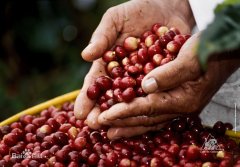
G2 is the second-highest commercial grade for Ethiopian coffee, typically reserved for washed beans. These natural Yirgacheffe beans meet that same standard. How? By starting with strict red-fruit selection—only fully ripe, undamaged coffee cherries are picked. Before drying, workers remove any unripe or defective cherries by hand. During the two-week sun-drying process on raised beds, they continually sort out damaged or moldy fruit. The result? Dried parchment with a final moisture content of 12%, free of major flaws. After drying, the hardened fruit, mucilage, and parchment are mechanically removed, and the beans undergo additional density and color checks. Defects are spotted and removed by human eye. This multi-stage quality control is why these naturals can hit a G2 grade—and why they taste so much cleaner than the average natural.
Flavor Profile: What’s in the Cup?
When roasted to just before the second crack, these G2 natural Yirgacheffe beans deliver a vivid cup. The aroma hits you first: intense sun-dried fruit. On the palate, sweetness is upfront, alongside the classic Yirgacheffe markers: citrus and jasmine floral notes—traits you’d usually associate with washed lots. Some tasters even pick up a blended impression of Harar (known for its winey, fruity depth), Yemeni Mocha, and washed Yirgacheffe. The overall effect is juicy, bright, and complex—not the heavy or funky profile you might expect from a natural.
How to Roast and Brew Natural Yirgacheffe
To highlight their qualities, roast these beans just before the start of the second crack. That preserves the fruit sugars without scorching them. For brewing, a V60 pour-over works beautifully: aim for a water temperature of 90–91°C, a 1:15 brew ratio, and a grind size around 20 on the EK43 (or a fine sugar texture that sieves to 80% through a China-standard No. 20 sieve). Use a three-part pour: start with a 30g bloom for 30 seconds, then add 95g, followed by 100g to finish at around 225g total. Your total brew time should land between 2:00 and 2:10. The result? A cup that balances those signature Yirgacheffe florals with the added depth of tropical fruit and honey-like sweetness from the natural process.
Why This Matters for Coffee Lovers
For years, specialty buyers treated natural-process Ethiopians as risky or overly funky. But these G2-grade Yirgacheffe naturals challenge that notion. They prove that with careful fruit selection, meticulous sorting, and controlled drying, natural-process coffee can achieve the clarity and cleanliness we usually associate only with washed beans. That opens up new flavor possibilities—and raises the bar for what we expect from naturals worldwide.
Frequently Asked Questions
What does G2 mean in Ethiopian coffee grading?
G2 is the second-highest grade for Ethiopian coffee, typically assigned to washed beans with minimal defects. Recently, some natural-process Yirgacheffe beans have also earned a G2 grade due to strict sorting and quality control, making them as clean as washed lots.
Why do natural Yirgacheffe beans usually taste funky?
Natural-process coffees are dried inside the whole fruit, which can lead to wild fermentation, pulpiness, or earthy, overripe notes if not carefully managed. Traditional Ethiopian naturals often emphasize those bold, fruity profiles, but without strict sorting, defects can dominate the cup.
How are these G2 natural Yirgacheffe beans different?
These beans are made from carefully hand-picked, fully ripe cherries. They’re sorted multiple times during drying and undergo post-drying checks for density and color. Defects are removed by hand, resulting in a cleaner, sweeter cup with fewer off-flavors—closer to a washed profile but with more tropical fruit intensity.
What flavors should I expect from a G2 natural Yirgacheffe?
Look for bright citrus and jasmine floral notes—classic Yirgacheffe markers—alongside sweet, tropical fruit and honey-like undertones. Some drinkers note a blend of Harar depth, Yemeni Mocha, and washed Yirgacheffe brightness in the same cup.
How should I brew these beans for best results?
Roast them just before the second crack. For pour-over, use a V60 with 90–91°C water, a 1:15 brew ratio, and a fine grind (around EK43 setting 20 or sieving to 80% through a No. 20 sieve). Try a three-pour method: 30g bloom, then 95g, then 100g, for a total of 225g water over 2:00–2:10.
Recommended FrontStreet Beans for Natural Process Fans
Try FrontStreet Coffee’s natural-process offerings to explore bold fruit profiles. Their Red Cherry Natural Yirgacheffe is processed with fully ripe fruits and sun-dried on raised beds, offering bright citrus, berry-like sweetness, and a silky body. For a washed comparison, their classic Yirgacheffe highlights floral and citrus notes with a tea-like body—perfect to taste the difference processing makes. Both beans showcase Ethiopia’s elevations and diverse cup potential. Freshly roasted within 5 days · Orders placed before 17:00 ship the same day · Next-day delivery across most of Guangdong Province.
FrontStreet Coffee is a long-established specialty coffee roaster in Guangzhou China, selling freshly roasted beans from its own farm in Yunnan as well as dozens of carefully selected single-origin beans from around the world for both pour-over and espresso. The products deliver consistently excellent quality and great value, with shipping within 24 hours. Guangzhou's FrontStreet Coffee shop is recommended by many coffee lovers, and the beans are now available online at the Tmall 。
Important Notice :
前街咖啡 FrontStreet Coffee has moved to new addredd:
FrontStreet Coffee Address: 315,Donghua East Road,GuangZhou
Tel:020 38364473