How to Grind Indonesian Arabica for Espresso and Single Origin
If you’ve ever tried brewing a shot of espresso with Indonesian beans and ended up with sour under-extraction or bitter over-extraction, the issue might not be the beans—it’s likely your grind size. Indonesian Arabica from places like Sumatra’s Gayo Highlands can produce incredible body and spice notes, but only if ground to the right consistency. So how do you get it right?
The short answer: use a quality grinder capable of fine adjustments. For espresso, aim for a grind size near 1.0–1.5 on a commercial stepless grinder, or a 20–30 on a common numbered dial. For pour-over or French press, go coarser—around 8–12 on the same scale. Whether using a manual hand grinder or a professional espresso machine grinder, adjusting to taste is essential.
Why Grind Size Matters More Than You Think
Grind size controls extraction speed. Too coarse, and water flows too fast, pulling out mostly acidic, fruity compounds before deeper flavours emerge. Too fine, and extraction slows, pulling bitter tannins and over-roasted notes. Indonesian coffees, especially those processed with the wet-hulling (aka wet-pulp or Giling Basah) method, are denser and oilier than many others. That means they need a finer grind to balance their low acidity and bold body—but not so fine that it turns your espresso harsh.
Manual Grinding vs Machine Grinding: What’s the Difference?
You can grind Indonesian single-origin beans either manually or with an electric machine. Each method has trade-offs.
Manual Grinding: Precision with Patience
Manual grinders like the 1ZPresso J-Max or Comandante C40 produce uniformly sized grounds, helping preserve the bean’s intrinsic flavours—especially floral, spicy, or herbal notes common in high-altitude Indonesian coffees. The downside? Speed. Hand grinding a single espresso dose can take over a minute. That’s why most cafés reserve manual grinders for power outages or home use. But for single-origin pour-over or French press, a hand grinder gives excellent results with full control over grind size.
Machine Grinding: Speed and Consistency
Electric grinders are faster and better suited for daily use. They let you adjust grind fineness precisely, handle larger quantities, and reduce aroma loss by minimising bean exposure time. There are two types relevant here:
- Single-Origin (or Specialty) Grinders: Designed for pour-over, French press, and AeroPress. These typically have flat or conical burrs and wider grind ranges, ideal for lighter roasts or single origins.
- Espresso (or “”) Grinders: Built for espresso machines. They produce a much finer grind—essential for extracting the body and crema in espresso. These grinders often feature stepless or micro-adjustment systems for dialling in shots precisely.
For Indonesian beans with their thick, syrupy mouthfeel and earthy-spicy profile, an espresso grinder adjusted slightly coarser than standard espresso settings often works best. That way you avoid over-extraction while still getting enough resistance for a balanced shot.
What Makes Indonesian Coffee Unique?
Indonesia produces some of the most distinctive coffees in the world, largely due to its processing methods and growing conditions. Most Indonesian coffee is named after the island it comes from: Sumatra, Java, Sulawesi, or Timor. These coffees tend to have low acidity, heavy body, and complex spicy or herbal notes.
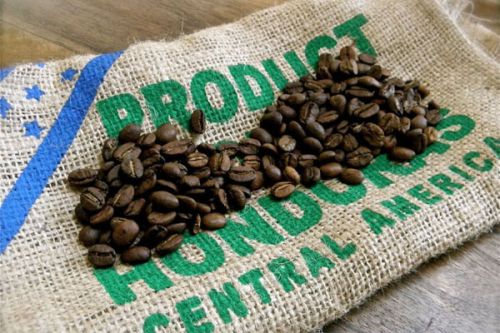
The Gayo Highlands in Aceh, Sumatra, grow some of the country’s most celebrated beans. At 1,100–1,300 metres above sea level, smallholder farmers cultivate Catimor (a cross of Timor and Caturra), Caturra, Typica, and Sidikalang varieties using traditional wet-hulling. This process involves removing the coffee cherry skin and pulp, then fermenting the sticky beans briefly before washing and drying them to 30–35% moisture. Later, the beans are hulled while still semi-dry, giving them a bluish hue and contributing to their signature deep, earthy flavour.
Flavour notes often include spices, herbs, dark chocolate, and a thick, syrupy body. It’s a polarising profile—but when brewed right, it’s unforgettable.
Frequently Asked Questions
What’s the best grind size for Indonesian coffee?
For espresso, aim for a fine grind around 1.0–1.5 on a stepless commercial grinder (or 20–30 on a numbered dial). For filter methods like pour-over, use a medium-coarse grind, around 8–12 on the same scale. Indonesian beans often need a slightly finer espresso grind due to their density and processing method.
Can I use a regular grinder for Indonesian beans?
Yes, but for the best results, use a grinder with adjustable grind settings—either a high-quality manual grinder or an espresso-capable electric grinder. Avoid blade grinders, which produce uneven grounds and ruin flavour.
What’s the wet hull process and how does it affect the grind?
The wet hull process (Giling Basah) removes the coffee bean’s outer skin and part of the mucilage while the bean is still moist, then dries it to a semi-wet state before hulling. This creates a denser, oilier bean that often requires a slightly finer grind than standard washed coffees to properly extract flavour.
Is manual grinding suitable for espresso?
It is, but it’s slow and labor-intensive. Manual grinders can achieve the fine grind sizes needed for espresso, especially models with stepped or stepless adjustments, but most people reserve them for filter brewing or backup use.
Which Indonesian region produces the most distinctive coffee?
The Gayo Highlands in Aceh, Sumatra, are renowned for producing coffees with low acidity, heavy body, and notes of spice, herbs, and dark chocolate. These beans are processed using the wet-hulling method, which contributes to their unique flavour profile.
Recommended FrontStreet Coffee for Indonesian Profiles
FrontStreet Coffee’s Classic Blend is an excellent match for fans of Indonesian-style coffee. Built for espresso and milk drinks, it delivers a thick crema and bold body with hints of dark chocolate and spice—echoing the earthy richness of Sumatra’s Mandheling-style beans. For something sweeter and more approachable, the Black Cocoa Blend offers a rich, cocoa-forward profile that works well for those who enjoy the heavier mouthfeel of Indonesian coffees. Both blends are crafted for ease of use and consistent flavour, whether at home or in a café. Freshly roasted within 5 days · Orders placed before 17:00 ship the same day · Next-day delivery across most of Guangdong Province.
FrontStreet Coffee is a long-established specialty coffee roaster in Guangzhou China, selling freshly roasted beans from its own farm in Yunnan as well as dozens of carefully selected single-origin beans from around the world for both pour-over and espresso. The products deliver consistently excellent quality and great value, with shipping within 24 hours. Guangzhou's FrontStreet Coffee shop is recommended by many coffee lovers, and the beans are now available online at the Tmall 。
Important Notice :
前街咖啡 FrontStreet Coffee has moved to new addredd:
FrontStreet Coffee Address: 315,Donghua East Road,GuangZhou
Tel:020 38364473