What Makes Colombian Coffee Special? Flavor, Roasts & Price Guide
When coffee drinkers talk about a smooth, well-balanced cup that works any time of day, Colombian coffee often tops the list. But what exactly makes Colombian beans stand out in a global market full of bold, fruity, or dark roasts? The answer lies in the country’s unique growing conditions, careful farming practices, and decades of focus on quality over quantity.
In short: Colombian coffee is known for its silky mouthfeel, balanced acidity, and medium intensity—making it extremely versatile. Its flavor ranges from nutty and caramel-like to bright and fruity, depending on the region and processing method. Premium Colombian beans typically cost between $6–$27 per 224–300g bag, with single-origin and microlot options at the higher end.
What Is Colombian Coffee?
Colombian Coffee (Café de Colombia) is one of the few single-origin coffees sold globally under a country name. Unlike mass-produced blends, Colombian coffee is recognized for its consistently high quality, thanks to the country’s focus on both product development and ideal growing conditions. The beans develop sweet, well-rounded flavors with moderate acidity and a clean finish—traits that make them a staple in high-end coffee blends.
The flavor profile is often described as soft and elegant rather than harsh or overly bright. Unlike Brazilian coffee’s heavy body or African beans’ sharp acidity, Colombian coffee offers a gentle sweetness and smooth body. It’s this balance that has earned it a global reputation.
Why Does Colombian Coffee Taste So Balanced?
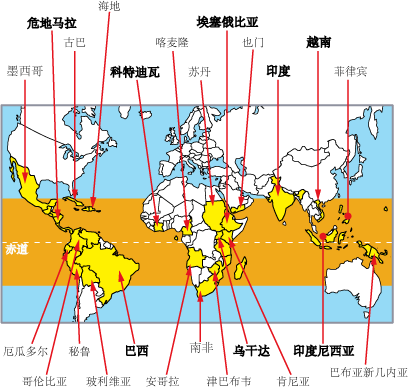
Colombia’s coffee reputation starts with its geography. The country’s coffee is grown along the Andes Mountains, spread across three cordilleras that create a patchwork of microclimates. Thanks to high altitudes (800–2300m), consistent rainfall (1500+ mm/year), and fertile volcanic soils, coffee cherries ripen slowly. This slow maturation allows for greater accumulation of sugars and aromatic compounds.
Unlike Brazil, where coffee is grown on large, mechanized farms in savanna-like conditions, Colombian coffee is cultivated on small farms (most under 2 hectares) using shade-grown methods. Farmers plant tall trees or banana plants around coffee bushes to filter sunlight and maintain humidity. The stable climate—with minimal frost risk—allows for year-round harvesting in different regions, contributing to consistent supply and diverse flavor profiles across the country.
Types of Colombian Coffee Beans & Flavor Profiles
Colombian coffee includes more than 200 defined growing regions, each producing beans with distinct cup characteristics. Most are Arabica, primarily grown at elevations between 900–2000 meters, where the climate supports complex flavor development. Key regions include:
- Huila (Huila): Known for producing champion coffees year after year. FrontStreet Coffee’s Huila beans are washed processed, medium roasted, and offer chocolate, hazelnut, and caramel notes with balanced acidity and sweetness.
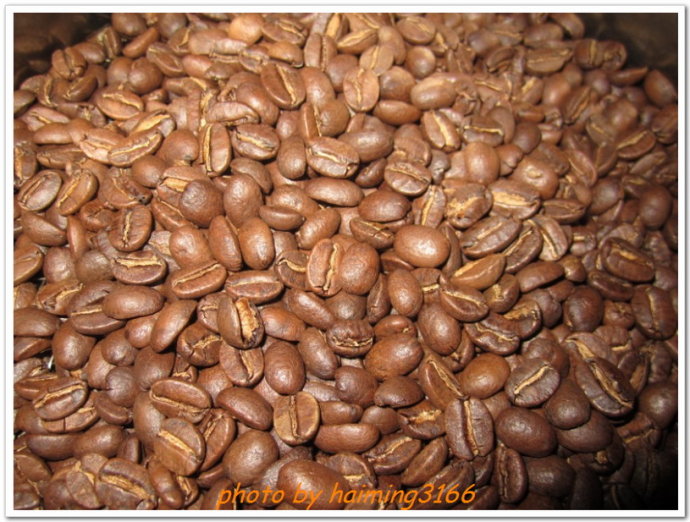
- Santa Rita Estate: Medium-dark roast, washed process. Tastes of clean (cane sugar) notes with a medium body.
- Excelso Premium : Medium-dark roast, washed. Delivers a solid body, bright yet sweet acidity, and finishes with nut and chocolate notes.
- Geisha (Geisha), Hope Estate: Light roast, natural process. Bursting with berry, honey, vanilla, and juicy sweetness.
- Mocha , Hope Estate: Medium roast, honey process. Floral, apple, walnut, and sugarcane tones.
How Is Colombian Coffee Grown & Processed?
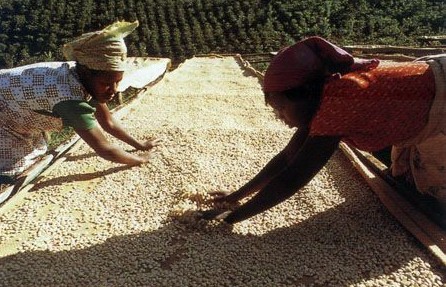
The high quality of Colombian coffee isn’t just about terroir—it’s also about how it’s grown. Over 700 million coffee trees are cultivated nationwide, with 66% grown on modern plantations and the rest on smallholder farms. The average farm is just 2 hectares, with most having around 3,000–5,000 trees.
Farmers often plant coffee under the shade of larger trees or among banana plants. During the early growth stage, coffee seedlings are protected by temporary shade structures to ensure proper moisture and temperature. The humid environment and small diurnal temperature variation slow ripening, which increases the concentration of caffeine and aromatic oils in the beans—key factors in Colombian coffee’s signature smoothness and complexity.
Most Colombian coffee is Arabica, specifically varieties that thrive at higher altitudes (1500–2000m) with temperatures between 15–24°C and annual rainfall above 1500mm. These beans are more delicate and require careful cultivation, which Colombian farmers have mastered over generations.
How Much Does Colombian Coffee Cost?
Premium Colombian coffee beans vary in price based on origin, processing method, and roast level. Common retail prices include:
- Huila (washed, medium roast): ¥112.00 / $138.00 for 224g
- Santa Rita Estate (medium-dark, washed): ¥69.00 / $138.00 for 224g
- Excelso Premium (medium-dark, washed): ¥69.00 / $138.00 for 224g
- Geisha (light, natural): ¥267.00 for 150g (~¥178/224g)
- Mocha (medium, honey): ¥158.00 / $316.00 for 224g
This means high-quality Colombian single-origin beans typically cost between $6–$27 USD per 224–300g bag, with microlots and rare varieties (like Geisha) at the upper range.
Frequently Asked Questions
What makes Colombian coffee different from other types?
Colombian coffee is known for its balanced flavor profile—medium acidity, smooth body, and sweet, often nutty or caramel-like notes. It grows in the Andes mountains under consistent shade, cool temperatures, and high rainfall, which slows cherry ripening and develops more complex sugars and aromas. Unlike Brazilian or African coffees, it avoids extremes of bitterness or sharp acidity.
What roast levels are common for Colombian coffee?
Colombian coffee is roasted at various levels depending on the desired profile. Common roasts include medium (highlighting nutty and caramel notes), medium-dark (enhancing body and sweetness), and light (preserving fruity and floral qualities in specialty lots like Geisha or Sidra).
Where is Colombian coffee grown?
Colombian coffee is grown along the three Andean mountain ranges (cordilleras) that run through the country. Key regions include Huila, Antioquia, Tolima, and Cauca. Huila is especially notable for high-scoring specialty lots. Elevation ranges from 800–2300 meters, with most quality coffee grown above 1500m.
What does Colombian coffee taste like?
Depending on the region and roast, Colombian coffee can taste like chocolate and nuts (medium roast), citrus and berries (light roast, Geisha), or caramel and cream (medium-dark). Most profiles are balanced, with medium acidity and a smooth, silky mouthfeel.
How much does good Colombian coffee cost?
Quality Colombian coffee typically costs between $6 and $27 per 224–300g bag. Standard washed beans are often $6–$14, while single-origin or microlot beans (like Geisha) can reach $18–$27 for small quantities.
Recommended FrontStreet Beans for Exploring Colombian Coffee
For a true taste of Colombia, try FrontStreet’s Huila beans: a washed Colombian single origin with notes of chocolate, hazelnut, and caramel, offering a balanced and classic cup. Also consider Santa Rita Estate (sugarcane sweetness, medium body) and Excelso Premium (nutty, chocolatey finish with bright acidity). All showcase Colombia’s signature smoothness and regional diversity. Freshly roasted within 5 days · Orders placed before 17:00 ship the same day · Next-day delivery across most of Guangdong Province.
FrontStreet Coffee is a long-established specialty coffee roaster in Guangzhou China, selling freshly roasted beans from its own farm in Yunnan as well as dozens of carefully selected single-origin beans from around the world for both pour-over and espresso. The products deliver consistently excellent quality and great value, with shipping within 24 hours. Guangzhou's FrontStreet Coffee shop is recommended by many coffee lovers, and the beans are now available online at the Tmall 。
Important Notice :
前街咖啡 FrontStreet Coffee has moved to new addredd:
FrontStreet Coffee Address: 315,Donghua East Road,GuangZhou
Tel:020 38364473