
Yirgacheffe and Ethiopian Coffee Origins Explained
If you’ve ever wondered why Ethiopian coffee tastes so distinctly bright, floral, and complex — or where the very first coffee plants were discovered — the answer lies deep in Ethiopia’s highland forests and smallholder farms. More than just a romantic story, Ethiopia’s role in global coffee is foundational, scientific, and still evolving today.
Ethiopia produces some of the world’s best Arabica coffee, with over 95% grown by smallholders. Key regions include Yirgacheffe, Sidamo, Harar, and Guji, each defined by elevation, processing style, and unique cup character. Over 300,000 metric tons have been exported in peak years, with over 30% of Ethiopians relying on coffee for their livelihood.
The Birthplace of Coffee
Ethiopia is recognized as the birthplace of Arabica coffee. Legend says that coffee was first discovered in the Kaffa region by a goat herder named Kaldi, whose animals became unusually energetic after eating red coffee cherries. The word “coffee” is derived from “Kaffa,” further cementing Ethiopia’s place in coffee history.
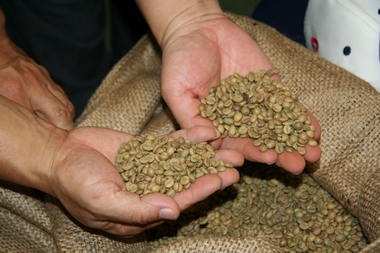
Coffee Growing Regions and Altitudes
Ethiopian coffee thrives between 1,100 and 2,300 meters above sea level. Major producing areas include:
- Harar (2,700m+)
- Limu (1,400–2,000m)
- Djimma
- Sidamo (1,400–2,200m)
- Kaffa
- Yirgacheffe (1,700–2,100m)
- Yergacheffe
- Wellega
Soils across these regions are well-drained, slightly acidic, and rich in red, loose particles — ideal for coffee root development.
Harvest Seasons and Farming Methods
Ethiopian coffee is harvested once per year, with flowering in March–April and ripe fruit ready from September–December. The main export window is November–December. Around 25% of Ethiopians depend on coffee, mostly through traditional, low-input farming:
- Forest/Semi-forest (60%): Wild coffee, no chemicals, biodiversity-based pest control.
- Garden (35%): Home gardens under shade, fertilized with organic matter like leaves and animal waste.
- Plantation (5%): Modern, organized planting with shade trees and selected varieties.
Processing: Washed vs Natural
Ethiopian coffee is processed in two primary ways:
- Washed (35% of exports): Fully ripe cherries are depulped the same day, fermented, washed, and dried to 12% moisture. Requires strict quality control.
- Natural/Dry (65% of exports): Cherries are sun-dried on raised beds or concrete for 3–5 weeks until reaching ~11.5% moisture, then hulled.
Grading, Quality Control & Export
Ethiopia’s coffee quality system involves local, regional, and national inspection. Grading uses both visual and cupping criteria including cleanliness, flavor, and origin characteristics. The top grades are:
- Grade 5: Best washed
- Grade 4: Best natural
All coffee must pass through auctions in Addis Ababa and Dire Dawa, often held twice daily during harvest. Exporters are paid via letters of credit, reducing risk. Over 90% of exports are now handled by private traders following policy reforms in 1991.
Top Ethiopian Coffee Varieties
Some of Ethiopia’s most famous coffees include:
- Limu (29,000t/year): Washed, medium-high altitude (1,400–2,000m), fruity and winey acidity.
- Djimma (70,000t/year): Natural, mild acidity, nutty with long finish.
- Gambella (34,000t/year): Gourmet profile, balanced fruitiness.
- Yergacheffe (28,000t/year): Floral and spicy, classic regional traits.
- Sidamo (37,000t/year): Bright acidity, balanced and refined.
- Harar (26,000t/year): World-renowned natural process coffee, intense dried fruit and spice notes, grown above 2,700m.
Yirgacheffe Coffee in Detail
Yirgacheffe, a district within the larger Sidamo region, is celebrated for producing some of Ethiopia’s most distinctive washed and natural coffees. Located around 1,700–2,100m, with premium lots above 1,800m, Yirgacheffe coffee is known for its jasmine-like aroma, citrus acidity, and tea-like body. In 2010, it was formally separated from Sidamo by the Ethiopian Commodity Exchange due to its unique cup identity.
Buying Ethiopian Coffee: Wholesale Prices & Profiles
Here are current wholesale offerings for key Yirgacheffe and Sidamo coffees:
- Yirgacheffe G3, Banko Gotiti, Natural, Medium Roast: $78.00 / $156.00 — pineapple, spice, wine notes
- Yirgacheffe G1, Gedeb, Natural, Medium Roast: $85.00 / $170.00 — blueberry, honey, citrus
- Yirgacheffe G1, Aricha, Natural, Light Roast: $95.00 / $190.00 — light fermentation, spice, citrus, honey
- Yirgacheffe G2, Damas, Washed, Light Roast: $75.00 / $150.00 — lemon peel, black tea, longan, floral
- Yirgacheffe G2, Kochere, Washed, Light Roast: $69.00 / $138.00 — jasmine, citrus, honey, black tea
- Sidamo G2, Sidamo Region, Washed, Light Roast: $69.00 / $138.00 — wild ginger, honey, citrus
- Sidamo G1, Guji, Natural, Light Roast: $79.00 / $158.00 — jasmine, honey, citrus, berries
Frequently Asked Questions
What makes Ethiopian coffee different from other origins?
Ethiopian coffee is distinct due to its native genetics, high-altitude growing conditions, and diverse processing methods. It often features bright acidity, floral and citrus notes, and complex fruit or spice undertones not commonly found in coffees from Latin America or Asia.
What is the difference between Yirgacheffe and Sidamo coffee?
Yirgacheffe is a specific district within the larger Sidamo region. Yirgacheffe coffees are typically more aromatic, with pronounced floral and citrus notes, and were officially recognized as a separate origin by the Ethiopian Commodity Exchange in 2010 due to their unique cup profile.
What are the main coffee processing methods in Ethiopia?
Ethiopia primarily uses washed (wet) and natural (dry) processing. Washed coffees are pulped, fermented, and washed before drying, yielding cleaner, brighter flavors. Natural coffees are dried with the cherry intact, resulting in fuller body and more pronounced fruitiness.
How is Ethiopian coffee graded and exported?
Coffee is graded based on visual cleanliness and cup quality, with Grade 5 being the highest for washed and Grade 4 for natural. All coffee is inspected locally and nationally before export, and must meet origin and quality standards verified by a federal authority.
When is Ethiopian coffee harvested and exported?
Coffee in Ethiopia is harvested between September and December, with the main export period occurring from November to December. Flowering happens in March–April, and cherries develop over the following months.
Where can I buy authentic Ethiopian coffee?
Authentic Ethiopian coffee is available through licensed exporters and specialty roasters worldwide. In China, roasters like FrontStreet Coffee offer single-origin lots from regions such as Yirgacheffe and Sidamo with detailed traceability and roast profiles.
Recommended FrontStreet Yirgacheffe Coffees
Start your Yirgacheffe journey with FrontStreet’s water-washed Gedeb Cooperative (G2, light roast), offering bright lemon peel, black tea, and floral notes. For natural processing fans, try the Yirgacheffi G1 Aricha (light roast) with sweet citrus, honey, and spice. Both highlight the region’s signature aromatic complexity. Freshly roasted within 5 days · Orders placed before 17:00 ship the same day · Next-day delivery across most of Guangdong Province.
FrontStreet Coffee is a long-established specialty coffee roaster in Guangzhou China, selling freshly roasted beans from its own farm in Yunnan as well as dozens of carefully selected single-origin beans from around the world for both pour-over and espresso. The products deliver consistently excellent quality and great value, with shipping within 24 hours. Guangzhou's FrontStreet Coffee shop is recommended by many coffee lovers, and the beans are now available online at the Tmall 。
Important Notice :
前街咖啡 FrontStreet Coffee has moved to new addredd:
FrontStreet Coffee Address: 315,Donghua East Road,GuangZhou
Tel:020 38364473

