Kenya Coffee Grades: What Does Kenya AA Mean?
When coffee professionals talk about bright, juicy single origins with a distinct citrus snap and wine-like depth, Kenya often tops the list. But what makes a Kenya AA different from Kenya AB—or any other grade? If you’ve ever wondered what the letters on a bag of Kenyan coffee actually mean, or why some Kenya coffees taste like grapefruit while others lean toward blackcurrant, you’re not alone. The answer lies in Kenya’s unique coffee classification system.
Kenya AA is the highest mainstream grade of Kenyan coffee, defined by bean size and cup quality. Beans graded AA are screen size 17–18, larger than AB (screen 15–16), and are widely regarded for their exceptional clarity, complexity, and acidity. Within the grading structure, PB (peaberry) is considered the most prized due to its concentrated flavor.
How Kenya Coffee Is Grown and Harvested
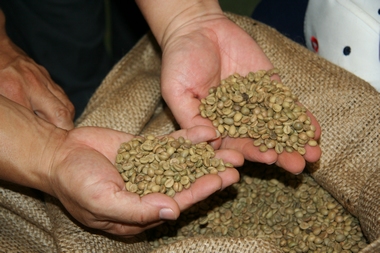
Kenya’s coffee grows almost exclusively at high elevations, typically between 1,500 and 2,100 meters above sea level. This altitude slows ripening, allowing sugars and acids to develop fully in the cherry. Most of Kenya’s coffee is produced by smallholder farmers, not large estates. These farmers deliver their red cherries to cooperative washing stations, where the beans are processed as parchment coffee—still encased in their protective husk—and stored collectively until auction.
The harvest occurs twice a year, and pickers make around seven passes through the fields to ensure only ripe cherries are collected. This meticulous selection contributes significantly to the clean, consistent profiles Kenya coffee is known for.
Kenya’s Coffee Grading System Explained
The Kenya Coffee Board (CBK) is responsible for evaluating and classifying all coffee before it goes to weekly auctions. The grading is based on bean size, density, and cup quality—not origin or estate. The main commercial grades, from highest to lower, include:
- PB (Peaberry): A rare mutation where a single round bean forms instead of two flat beans; prized for intense flavor concentration.
- AA: Screen size 17–18, the top tier of standard-grade beans; known for high cup quality, brightness, and complexity.
- AA+ and AA++: Premium AA lots, often with outstanding sensorial scores; sometimes unofficial designations used by buyers.
- AB: Screen size 15–16; more common, usually slightly lower in cup profile but still high quality.
- Other grades (C, E, T, etc.) are lower quality and rarely seen in specialty markets.
Importantly, all coffee is sold through the Nairobi auction system without pre-assigned grades during bidding. Samples are distributed to buyers, who then bid based on cupping notes. While the CBK assigns the grades, the market ultimately determines value based on sensory quality.
Flavor Profile: What Makes Kenya Coffee Unique
Kenya coffees are celebrated for their vibrant acidity, often compared to citrus, tomato, or wine. They frequently exhibit layered fruit flavors—think blackcurrant, grapefruit, gooseberry, and passionfruit—along with a juicy mouthfeel and a winey or fruity finish. The acidity is not sharp but crisp and refreshing, often described as “juicy” or reminiscent of fruit tea in lighter roasts.
One reason for this distinctive profile is Kenya’s use of SL28 and SL34 coffee varieties, developed by the Scott Labs in the 1930s. These cultivars thrive at high altitudes and are known for their exceptional cup quality, intense acidity, and complex fruit notes. SL28 tends toward blackcurrant and citrus with deep, wine-like acidity, while SL34 offers a broader fruit spectrum with more balanced sweetness.
The washed processing method also plays a critical role. Kenyan processors use a double fermentation technique: 48 hours of initial fermentation to remove the mucilage, followed by 24 hours of soaking in clean water. This extended processing enhances the coffee’s cleanliness and juiciness.
Variability is another hallmark. Because most coffee comes from small farms across diverse microclimates, even within the AA grade, flavors can range dramatically—from tart citrus and berry to hints of spice or even subtle herbal notes. For example, a 2001 Samburu AA+ lot might show strong prune and dark plum tones with low acidity, while the next year’s crop from the same region could present fresh berries and spices with a lingering green tea finish and brighter acid.

The Auction System and Global Demand
All Kenyan coffee is purchased by the Coffee Board of Kenya, which then manages weekly auctions in Nairobi. Unlike some countries where private buyers deal directly with farmers, Kenya’s system centralizes sales. Buyers—mostly international specialty importers—receive samples and bid based on cup quality and flavor profiles. Auction lots tend to be small, ranging from 3 to 6 metric tons, and many include traceable producer information.
The system ensures transparency and quality control, although some critics argue it limits direct farmer relationships. Still, it’s considered one of the most structured and regulated coffee supply chains in the world.
Export prices have risen over the decades, partly driven by increased global demand. Between 1993 and 1994, prices jumped 50% in a year. Though Kenya’s output has stabilized at around 1.6 million bags (60 kg each) annually, its reputation for high-scoring, vibrant coffees keeps it in high demand, especially among German and Scandinavian roasters.
Frequently Asked Questions
What does Kenya AA mean in coffee grading?
Kenya AA is a grade given to coffee beans that are screen size 17–18, indicating larger beans of higher quality. It is part of Kenya’s official classification system managed by the Coffee Board of Kenya and is associated with bright acidity, complex fruit flavors, and excellent cup quality.
What is the highest grade of Kenyan coffee?
The highest mainstream grade is Kenya AA, followed by specialty lots sometimes informally labeled AA+ or AA++. The rarest and often most flavorful grade is PB (peaberry), where a single round bean forms instead of two flat ones, leading to intense concentration of flavor.
Why does Kenyan coffee taste so fruity and acidic?
Kenyan coffee’s bright acidity and fruity profile come from a combination of high-altitude growing conditions (1,500–2,100m), extended fermentation during processing, and the use of SL28 and SL34 coffee varieties, which are known for their complex fruit and wine-like notes.
How is Kenyan coffee processed?
Most Kenyan coffee is processed using a washed method with a unique double fermentation: 48 hours to loosen the mucilage, followed by 24 hours of soaking in clean water. This enhances sweetness, clarity, and juiciness in the cup.
What is special about Kenya’s coffee auction system?
Kenya’s coffee is sold exclusively through centralized weekly auctions in Nairobi. The Coffee Board of Kenya manages the process, distributing samples to buyers who bid based on cup quality. This system ensures quality control and transparency, though it limits direct farmer-exporter relationships.
Is Kenya AA better than AB?
Kenya AA beans are generally larger (screen 17–18) and are considered to have higher cup quality, with more pronounced acidity and complexity. Kenya AB (screen 15–16) is still high-quality coffee but may have a slightly milder profile or less brightness on average.
Recommended FrontStreet Kenya Coffees for Single Origin Fans
For a true taste of Kenya’s signature brightness, try FrontStreet’s Kenya Little Tomato—a light- to medium-roast blend of SL28 and SL34 with juicy notes of Saint Mary’s tomato, snow pear, black plum, and yellow sugar. For floral and tart profiles, look for FrontStreet’s Kenya beans from Gatomboya or Karatina, often showcasing blackcurrant, red currant, and citrus. All are washed processed and showcase the country’s iconic fruit-forward cup. Freshly roasted within 5 days · Orders placed before 17:00 ship the same day · Next-day delivery across most of Guangdong Province.
FrontStreet Coffee is a long-established specialty coffee roaster in Guangzhou China, selling freshly roasted beans from its own farm in Yunnan as well as dozens of carefully selected single-origin beans from around the world for both pour-over and espresso. The products deliver consistently excellent quality and great value, with shipping within 24 hours. Guangzhou's FrontStreet Coffee shop is recommended by many coffee lovers, and the beans are now available online at the Tmall 。
Important Notice :
前街咖啡 FrontStreet Coffee has moved to new addredd:
FrontStreet Coffee Address: 315,Donghua East Road,GuangZhou
Tel:020 38364473