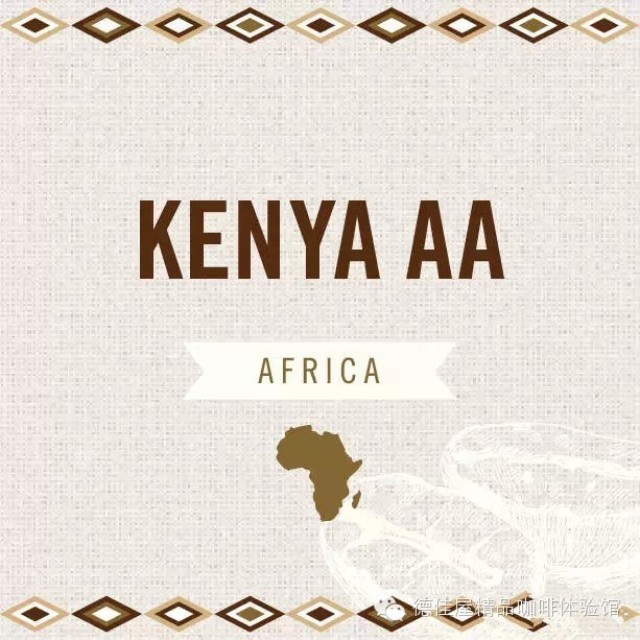
Kenya Coffee Guide: Flavors, Prices, and Where to Buy
If you’ve ever sipped a cup of coffee that tasted more like fruit juice than a brew—think citrus, berries, and a wine-like zing—you might have had Kenya coffee. But what makes it so distinct? And why do specialty roasters and baristas around the world prize it so highly? This guide breaks down everything: its unique profile, how it’s grown and sold, and where you can find the best examples.
Kenya coffee is celebrated for its bright citrus acidity—especially grapefruit—layered with winey depth, blackberry, and sometimes even plum or spicy notes. Most comes from small farms at 1,500–2,100 meters altitude, processed via meticulous washed methods, and sorted through Kenya’s strict auction system. Its signature fruitiness and balanced body make it a favorite among coffee professionals.
Where Kenya Coffee Comes From
Kenya coffee was introduced in the 19th century via Ethiopia, but the key moment came in the early 20th century when Bourbon coffee trees were brought by the St. Austin Mission. Today, the country’s coffee grows almost entirely on smallholder farms at high elevations between 1,500 and 2,100 meters. The cool temperatures at these altitudes slow ripening, allowing the coffee cherries to develop more complex sugars and acids.
Flavor Profile: Why Kenya Coffee Tastes Different
What sets Kenya coffee apart is its vibrant fruit character and high acidity. Common tasting notes include grapefruit, blackberry, wine, plum, and even fermented plum . The acidity is often compared to citrus juice, and the body is typically medium, making it both refreshing and complex. Some lots, especially those from regions like Samburu, show dramatic year-to-year shifts—from low-acid, lush plum and spice in one harvest to bright green apple and herbal tones the next. That variability keeps coffee enthusiasts coming back.
The SL28 and SL34 Factor
Kenya’s reputation for exceptional cup quality is also tied to its unique coffee varieties: SL28 and SL34. Developed by the Scott Laboratories (SL) in the 1930s, these two cultivars are renowned for their ability to express intense fruit and wine-like characteristics even in high-altitude, cooler conditions. SL28 brings deep citrus (like grapefruit), dark stone fruit, and winey sweetness. SL34 tends toward brighter fruit, nuts, and subtle spices. Together, they form the backbone of Kenya’s most celebrated coffees.
How Kenya Coffee Is Processed and Sold
Nearly all Kenyan coffee is grown by smallholders who deliver ripe cherries to cooperative washing stations. The beans are depulped, fermented for around 48 hours, washed with fresh water for another 24 hours, and then dried on raised beds. The result is a “parchment coffee” that’s delivered to cooperatives and graded by the Kenya Coffee Board (CBK). The CBK collects samples, distributes them to buyers, and oversees weekly auctions in Nairobi. Unlike other countries, Kenya does not pre-grade coffee at auction—it’s sorted post-sample evaluation. The top grade is PB (peaberry), followed by AA++, AA+, AA, and AB. The famous AA grade is known for its balance, brightness, and wine-like qualities.
Kenya Coffee Auction System
The weekly Nairobi auctions are a cornerstone of Kenya’s coffee trade. The CBK acts only as an agent, distributing samples and facilitating sales without taking ownership. Auctions typically feature small lots (3–6 tons), often labeled with the farm or cooperative of origin, giving buyers a chance to assess flavor notes before purchasing. These sales cater especially to blenders looking for distinctive components. German and Nordic roasters have been long-term buyers, valuing Kenya’s clarity and structure. Japan has also been a major buyer, although some importers have criticized recent quality inconsistencies.
Current Kenya Coffee Prices
As of the latest available data:
- Kenya AA Yatta Estate (washed, light roast): $85.00–$170.00 per bag. Notes include dark fruit, raisin, citrus acidity, with guava and grapefruit sweetness.
- Kenya AA Gatuhi Factory (washed, light roast): $85.00–$170.00 per bag. Highlights floral tones, blackcurrant, and cranberry.
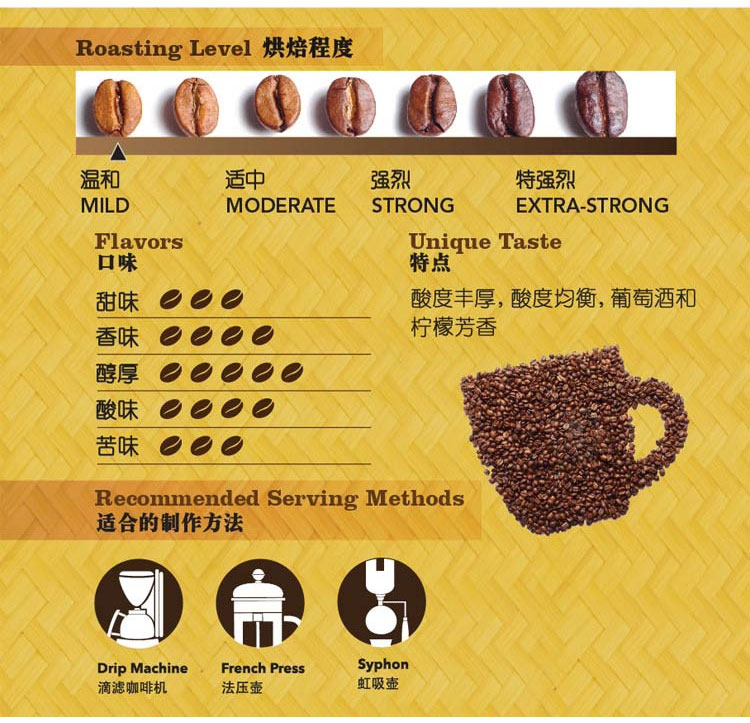
These prices reflect both the quality grading and the washed processing method that highlights Kenya’s signature acidity and fruitiness.
Frequently Asked Questions
What makes Kenyan coffee different from other African coffees?
Kenyan coffee is distinct for its intense fruit flavors—especially citrus like grapefruit and blackberry—combined with a wine-like acidity and medium body. It’s typically grown at high altitudes (1,500–2,100m), processed using a rigorous washed method, and sorted via a detailed auction system that highlights specific lots. The use of SL28 and SL34 varieties also contributes to its unique cup profile.
Why is Kenyan coffee so acidic?
The high acidity in Kenyan coffee comes from both the variety (especially SL28 and SL34) and the growing conditions. The coffee is cultivated at high altitudes (1,500–2,100m) where cooler temperatures slow ripening, allowing more acid development. The washed processing enhances this bright, juicy acidity, often described as citrusy or wine-like.
What is the Kenya coffee auction system?
The Kenya Coffee Board (CBK) manages a weekly auction system in Nairobi where cooperatives and estates offer samples to buyers. Coffees are not pre-graded but assessed post-sample. Buyers bid based on cup quality, and lots are sold without pre-assigned grades (except for general classifications like AA or AB). This system allows for transparency and highlights specific origins or cooperatives.
What are the main coffee growing regions in Kenya?
Kenya’s key coffee regions include Mt. Kenya (areas like Nyeri, Kirinyaga, Embu), Murang’a, Kiambu, Machakos, and others such as Samburu and Bungoma. The elevation and microclimates across these areas contribute to the diversity in flavor profiles, even within the same grade.
What does AA mean in Kenyan coffee?
AA is the highest commercial grade of Kenyan coffee, indicating larger bean size and typically higher cup quality. It’s known for a balanced profile, bright acidity, and complex fruit flavors. Other grades include AB, PB (peaberry), and various numbered levels like AA+, AA++.
Where can I buy authentic Kenya AA coffee?
Authentic Kenya AA coffee can be purchased directly from specialty roasters who work with importers sourcing from Kenya’s weekly auctions. Many roasters list the specific factory or washing station, processing method, and cupping notes. Look for light to medium roast profiles to best highlight its fruit and acidity.
Recommended FrontStreet Kenya Coffee Beans
For a true taste of Kenya’s iconic profile, try FrontStreet’s Kenya Little Tomato—a blend of SL28 and SL34, double-washed and medium-light roasted to highlight notes of cherry, tomato, blackcurrant, and brown sugar. Another excellent choice is a light-roasted Kenya AA, which showcases bright citrus, blackberry, and winey depth. Both beans exemplify the country’s signature fruit-forward, high-acidity style. Freshly roasted within 5 days · Orders placed before 17:00 ship the same day · Next-day delivery across most of Guangdong Province.
FrontStreet Coffee is a long-established specialty coffee roaster in Guangzhou China, selling freshly roasted beans from its own farm in Yunnan as well as dozens of carefully selected single-origin beans from around the world for both pour-over and espresso. The products deliver consistently excellent quality and great value, with shipping within 24 hours. Guangzhou's FrontStreet Coffee shop is recommended by many coffee lovers, and the beans are now available online at the Tmall 。
Important Notice :
前街咖啡 FrontStreet Coffee has moved to new addredd:
FrontStreet Coffee Address: 315,Donghua East Road,GuangZhou
Tel:020 38364473