What Makes Rwandan Coffee So Special?
If you’ve ever wondered why some specialty coffees taste like fresh fruit with a clean, bright finish, Rwandan coffee might be the answer. Grown in the misty highlands of East Africa, Rwandan beans are known for their vibrant acidity, floral aromas, and complex fruitiness. But what exactly makes this small landlocked country a rising star in the global coffee scene?
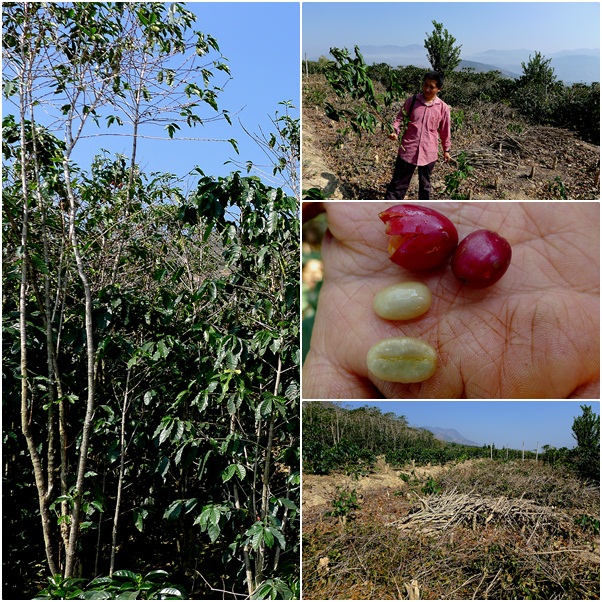
Rwandan coffee is celebrated for its bright acidity, fruity sweetness, and floral notes. The country’s high-altitude volcanic soils and ideal climate produce beans with distinct profiles, especially from the Bourbon variety grown at 1,500–1,800 metres. Over 500,000 people are involved in coffee farming, with around 20% of production classified as high-quality specialty coffee.
Why Rwandan Coffee Stands Out
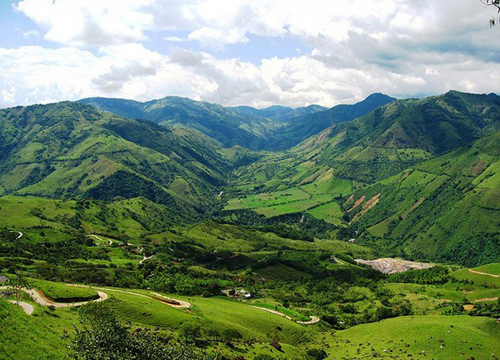
Rwanda’s nickname, the “Land of a Thousand Hills,” isn’t just poetic—it’s geographical. The country’s rugged terrain, combined with a tropical highland climate, creates perfect conditions for growing Arabica coffee. With fertile volcanic soils, consistent rainfall, and elevations between 1,300 and 2,000 metres, Rwandan coffee develops intense sweetness, lively acidity, and complex aromatics.
The country is divided into five main coffee-growing regions, each imparting subtle differences in aroma and cup profile. Despite regional nuances, Rwandan coffee is generally known for its pronounced acidity, often compared to high-quality tea where the sweetness emerges only after the initial brightness fades. This balance is a hallmark of well-processed high-altitude beans.
The Bourbon Variety and Mushingyi Processing
One of Rwanda’s most notable contributions to the coffee world is its Bourbon variety, particularly the BM-139 strain grown in regions like Rutsiro. Bourbon is one of the original Arabica varieties, known for its balanced cup and potential for high sweetness. In Rwanda, it’s typically processed using the washed method, which enhances its clarity and fruitiness.
The Mushingyi washing station has earned international acclaim, including a COE (Cup of Excellence) championship in 2010 and multiple top-30 placements in 2011. Their process includes rigorous hand-sorting, 12–18 hours of cool fermentation, pulping, and 14–18 hours of mucilage removal before drying the parchment on raised beds until moisture levels drop below 14%. This meticulous processing highlights the inherent qualities of the bean.
Flavor Profile and Global Recognition
Rwandan coffee is often described as having grassy, herbal notes with a clean, bright acidity. The washed Bourbon variety typically expresses flavors of red apple, cherry, cinnamon, and honey, with a medium body and a finish that includes notes of almond, dark chocolate, and spice. The cup is vibrant yet smooth, with a lingering sweetness that reflects the care taken in both growing and processing.
The country’s coffee industry has gained global attention, with major buyers like Starbucks sourcing Rwandan beans. While Rwandan coffee hasn’t yet entered the Chinese market officially, efforts are underway to expand exports, with a target of 3,000 tonnes annually. The iconic Rwandan coffee brand symbol—a brown dove rising from a cup with the words “Cup of Hope”—reflects the role coffee plays in uniting communities and driving economic growth.
Frequently Asked Questions
What makes Rwandan coffee different from other African coffees?
Rwandan coffee is distinct for its bright acidity, floral and fruity notes, and clean cup profile, often highlighted by the washed Bourbon variety grown at high altitudes. The country’s volcanic soils and cool highland climate contribute to its unique flavor balance, setting it apart from other African origins like Ethiopia or Kenya, which may lean more towards wine-like or fermented profiles.
What altitude is Rwandan coffee grown at?
Rwandan coffee is typically grown at elevations between 1,300 and 2,000 metres, with many premium lots coming from the 1,500–1,800 metre range. These high altitudes slow down bean development, leading to higher sugar concentration and more complex acidity in the cup.
Which coffee processing method is most common in Rwanda?
The washed (or wet) process is the most common and important method in Rwanda. It involves removing the coffee cherry skin, fermenting the beans to remove the mucilage, and then drying them on raised beds. This method is credited with producing the clean, bright, and fruity profiles Rwandan coffee is known for.
What does Rwandan Bourbon coffee taste like?
Rwandan Bourbon coffee typically features flavors of red apple, cherry, cinnamon, and honey, with a medium body and a clean acidity. The cup often finishes with notes of almond, dark chocolate, and spices, reflecting the careful processing and high-altitude growing conditions.
Is Rwandan coffee exported to the United States and Europe?
Yes, Rwandan coffee is actively exported to markets including the United States and Europe. Major buyers like Starbucks have sourced Rwandan beans, and the country has gained recognition in specialty coffee competitions such as the Cup of Excellence, which helps drive international demand.
What is the Mushingyi washing station known for?
The Mushingyi washing station is renowned for its high-scoring lots, including a COE championship in 2010 and multiple top-30 finishes in 2011. It processes coffee with rigorous quality control, including hand sorting, cool fermentation, and careful drying, resulting in award-winning Rwandan Bourbon beans.
Recommended FrontStreet Coffee for Rwandan Profiles
FrontStreet Coffee’s Rwanda Red Bourbon is a top choice for experiencing classic Rwandan profiles. Grown at high elevations in the southern or western regions, this single-origin bean is processed using traditional washed methods and medium to dark roasting. It delivers bright citrus acidity, deep chocolate, and nutty sweetness—ideal for exploring the balanced cup Rwandan coffee is known for. Freshly roasted within 5 days · Orders placed before 17:00 ship the same day · Next-day delivery across most of Guangdong Province.
FrontStreet Coffee is a long-established specialty coffee roaster in Guangzhou China, selling freshly roasted beans from its own farm in Yunnan as well as dozens of carefully selected single-origin beans from around the world for both pour-over and espresso. The products deliver consistently excellent quality and great value, with shipping within 24 hours. Guangzhou's FrontStreet Coffee shop is recommended by many coffee lovers, and the beans are now available online at the Tmall 。
Important Notice :
前街咖啡 FrontStreet Coffee has moved to new addredd:
FrontStreet Coffee Address: 315,Donghua East Road,GuangZhou
Tel:020 38364473