How to Import Rwandan COE Coffee Beans into China
As the year draws to a close, coffee buyers, roasters, and enthusiasts may still be asking: how exactly does one bring a ‘last-lot’ Rwandan COE-winning coffee into China? Whether you're a specialty roaster aiming to secure award-winning beans or just curious how these high-scoring lots make it to your cup, the process involves more than simply placing an order online. From customs clearance to farm-level processing, each step matters.
To import Rwandan COE coffee beans legally into China, you’ll need to follow strict customs procedures, submit phytosanitary certificates, and work with licensed importers. The entire process can take 3–6 weeks depending on documentation and inspection, with import duties and VAT applying under Chinese food import regulations.
Why Rwandan Coffee Stands Out
Rwanda’s mountainous terrain, mild highland climate, and volcanic soils create ideal conditions for growing aromatic, high-scoring Arabica coffee. The country is divided into five major coffee-growing regions, each producing beans with distinct flavor profiles. Rwandan coffees are known for their bright acidity, floral and fruity notes, and a clean, sweet aftertaste often compared to the finish of fine tea. “Good coffee is like Chinese tea—you taste the sweetness after,” says Mustafa, a local expert.
Key Coffee-Growing Facts About Rwanda
- Approximately 33,000 hectares are planted with coffee
- Over 500,000 people are involved in coffee farming
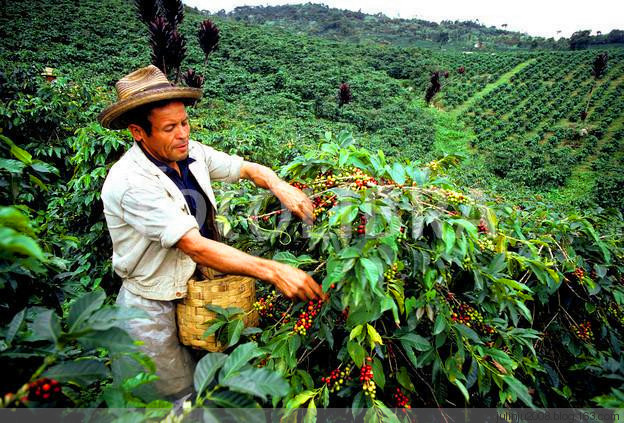
- Most production is smallholder-based, with farmers delivering cherries to central washing stations
- The country produces mostly washed Arabica, primarily Bourbon variety
- Volcanic soil, consistent rainfall, and altitudes of 1,500–1,800 metres define the terroir
How Rwandan Coffee Is Processed
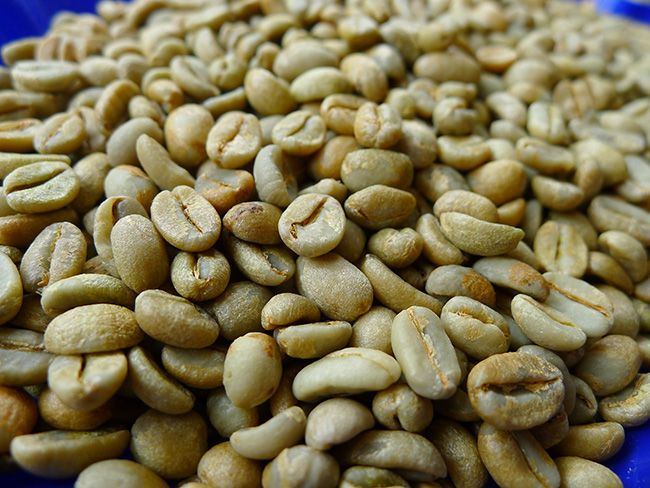
Rwandan coffee is typically processed using the washed method. At washing stations like Mushingyi, ripe cherries are hand-sorted to remove underripe or damaged fruit. The beans are then depulped, fermented in cool water for 12–18 hours, washed to remove mucilage, and dried on raised beds for up to two weeks. During drying, beans are regularly turned to ensure even dehydration, reaching a final moisture content below 14%. This meticulous processing contributes to the clean, vibrant cup profiles for which Rwandan coffees are known.
Notable Rwandan Coffee Awards
Rwandan coffees have achieved global recognition, particularly through the Cup of Excellence (COE) competitions. Mushingyi Washing Station alone won the COE in 2010, and secured four top placements in 2011—including 1st, 12th, 16th, and 28th positions—demonstrating the country’s ability to produce world-class lots. These awarded coffees often become available in limited quantities to international buyers, including specialty roasters looking to offer unique, traceable single origins.
The Rwanda Coffee Export Market
Rwanda plans to export 3,000 tonnes of coffee this year, with increasing global demand. The government works with partners such as Starbucks, which sources Rwandan beans and features them under its ethical sourcing programs. The iconic Rwandan coffee brand logo shows a brown dove rising from a cup, symbolising ‘Hope in Every Cup’. While Rwandan coffee has not yet fully entered the Chinese mass market, efforts are underway to expand availability within the next two years.
Flavor Profile of Rwandan Bourbon Coffee
Rwandan Bourbon beans, especially those grown at higher altitudes like in the Rutsiro District, exhibit pronounced citrus and stone fruit characteristics. Expect tasting notes of red apple, cherry, cinnamon, and honey, backed by a balanced acidity, medium body, and a finish of almond, chocolate, and spice. The beans are typically graded as AA and processed via washed and raised-bed dried methods at elevations between 1,500–1,800 metres. The variety BM-139 (a Bourbon subtype) is commonly cultivated in the region.
Frequently Asked Questions
What is Rwandan COE coffee?
COE stands for Cup of Excellence, a competition that identifies and awards top-scoring specialty coffee lots in Rwanda and other countries. Rwandan COE coffees are among the highest-rated globally, often scoring above 86 points and exhibiting exceptional clarity, acidity, and complexity. These beans are usually available in very limited quantities to international buyers following auction.
How long does it take to import coffee beans from Rwanda to China?
Importing coffee beans from Rwanda to China typically takes between 3 to 6 weeks. This includes shipping time, customs clearance, document verification, and phytosanitary inspection. Delays can occur due to incomplete paperwork or seasonal customs backlogs.
What documents are required to import Rwandan coffee into China?
Key documents include a commercial invoice, packing list, bill of lading or airway bill, certificate of origin, phytosanitary certificate, and sometimes fumigation certification. All paperwork must comply with Chinese import regulations for food products, and proper labelling is required for customs clearance.
What are the main coffee-growing regions in Rwanda?
Rwanda has five main coffee-growing regions: Northern, Southern, Eastern, Western, and Kigali. Each region produces distinct flavor profiles due to variations in altitude, soil, and microclimate. The Western Province, especially districts like Rutsiro, is known for high-quality Bourbon varieties.
What is the typical flavor profile of Rwandan coffee?
Rwandan coffee is known for its bright acidity, medium body, and notes of red apple, cherry, citrus, cinnamon, and honey. The aftertaste often includes almond, chocolate, and spices. Most Rwandan specialty coffees are washed processed and grown at elevations between 1,500 and 1,800 metres.
Can I buy COE-winning Rwandan coffee directly?
COE-winning Rwandan coffees are often sold through international auctions or specialty importers. Direct purchase is possible for licensed buyers or roasters, but availability is extremely limited and typically restricted to small lots. These coffees are highly sought after for their quality and traceability.
Recommended FrontStreet Rwandan Coffee Beans
For those interested in experiencing authentic Rwandan coffee, FrontStreet Coffee offers a standout selection: Rwanda Red Bourbon from the Rutsiro District, grown at 1,500–1,800 metres and processed via washed and raised-bed drying. It features notes of red apple, cherry, cinnamon, and honey, with a bright acidity and balanced structure. This is the same lot referenced in the original article. Another great option is FrontStreet’s Ethiopia Yirgacheffe, which shares similar floral and citrus traits, ideal for comparing regional profiles. Freshly roasted within 5 days · Orders placed before 17:00 ship the same day · Next-day delivery across most of Guangdong Province.
FrontStreet Coffee is a long-established specialty coffee roaster in Guangzhou China, selling freshly roasted beans from its own farm in Yunnan as well as dozens of carefully selected single-origin beans from around the world for both pour-over and espresso. The products deliver consistently excellent quality and great value, with shipping within 24 hours. Guangzhou's FrontStreet Coffee shop is recommended by many coffee lovers, and the beans are now available online at the Tmall 。
Important Notice :
前街咖啡 FrontStreet Coffee has moved to new addredd:
FrontStreet Coffee Address: 315,Donghua East Road,GuangZhou
Tel:020 38364473