How to Make Classic Hawaiian Kona Coffee at Home
If you’ve ever wondered how to make real Hawaiian Kona coffee—the smooth, spicy, bright single-origin bean grown only in a small part of the Big Island—you’re not alone. Most coffee drinkers have never tried the genuine article, and many have only encountered low-percentage blends. But what if you could recreate that iconic Kona flavor profile at home, just like they do in Hawaii?
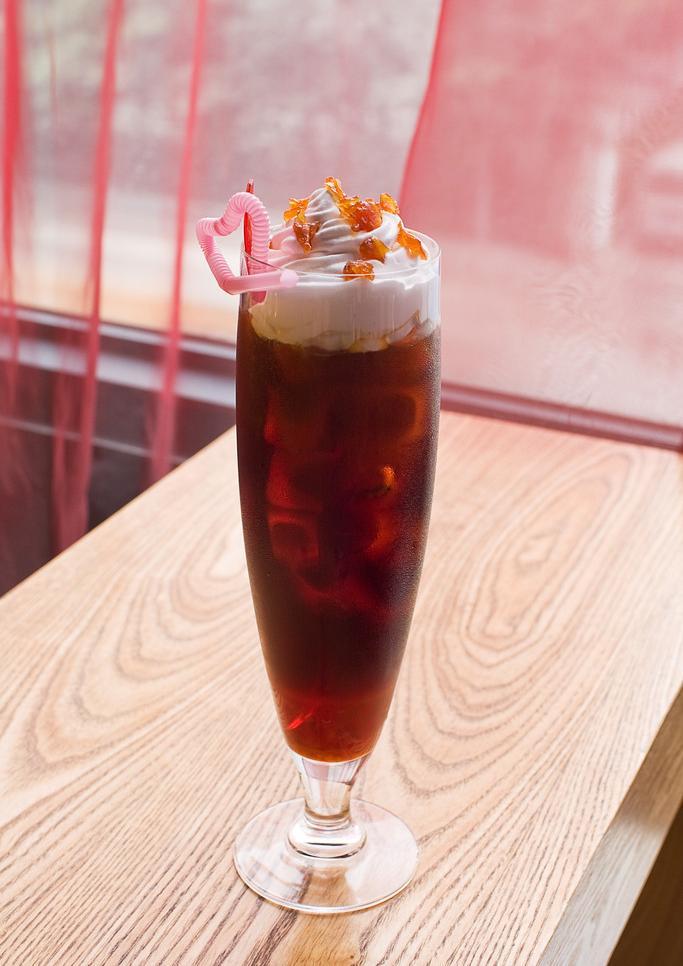
To make a classic Kona coffee drink as described in the original recipe, use 30 grams of Kona coffee beans, brewed as a single pour over hot water for 1 minute, then cooled over ice and topped with 50 grams of whipped cream. That’s the heart of the traditional homemade version.
What Is Kona Coffee and Why Is It Special?
Kona coffee comes from the Kona district on the slopes of Hualalai and Mauna Loa volcanoes in the southwest of Hawaii’s Big Island. These volcanic, high-elevation farms enjoy ideal coffee-growing conditions: consistent sunlight, ample rainfall, no frost, and a unique natural phenomenon called “midday cloud cover” around 2 PM that shades the trees. The result is a very high-quality Arabica coffee with unusually even ripening and careful hand-processing.
The beans are known for their balanced cup: medium-bodied, with a bright acidity, sweet undertones, and hints of spice—often compared to cinnamon. While some describe similarities to Blue Mountain coffee, Kona tends to have a slightly more approachable, gentler profile. Fresh Kona has an exceptionally fragrant aroma, and when brewed well, offers a clean, smooth finish without excessive bitterness.
Flavor Profile and Roast Recommendations
Kona coffee is celebrated for its vibrant acidity paired with a soft sweetness and tropical fruit-like character. The flavor is often described as rich and smooth, with a gentle bitterness on the finish that gives it depth—like “a touch of maturity.” Its aromatic profile leans toward nuttiness and floral notes, making it a favorite for those who enjoy a mellow yet complex cup.
For best results, Kona beans are typically roasted to a medium to dark level. This roast range helps develop the bean’s inherent sweetness while taming any excessive brightness, though lighter roasts will preserve more of the origin’s distinct fruity-spice notes.
What Makes True Kona So Rare and Expensive?
Authentic Kona coffee is grown on only about 1,400 hectares of land, making it one of the rarest and most geographically limited coffee origins in the world. Due to Hawaii’s high cost of living and strong tourism market, even 100% Kona beans command premium prices. Some vendors sell “Kona blends,” which by law may contain as little as 5% actual Kona beans mixed with other origins—so-called “Kona Blends.”
Because of production limits and high demand, genuine Kona is difficult to find outside Hawaii, and often expensive when you do. Nearby Hawaiian islands like Maui, Kauai, and Molokai have begun growing coffee commercially, but none match the global reputation of true Kona from the Big Island’s volcanic slopes.
How to Make Homemade Kona Coffee (Classic Recipe)
This is a simplified version of a traditional Hawaiian-style iced Kona coffee recipe using freshly brewed Kona beans, served over ice with whipped cream and garnish. Here's how to do it, step by step, with all the original specifications:
- Coffee beans: 30g Kona coffee (single origin)
- Water: Use fresh hot water (not specified, but standard brew temps around 90–96°C are implied)
- Brew method: Single pour method (similar to pour-over or manual drip)
- Brew time: 1 minute (starting when hot water hits the coffee)
- Ice: Add several ice cubes to chill the brewed coffee
- Sweetener (optional): Add a suitable amount of pomegranate syrup to taste
- Cream: 50g whipped cream , added after pouring
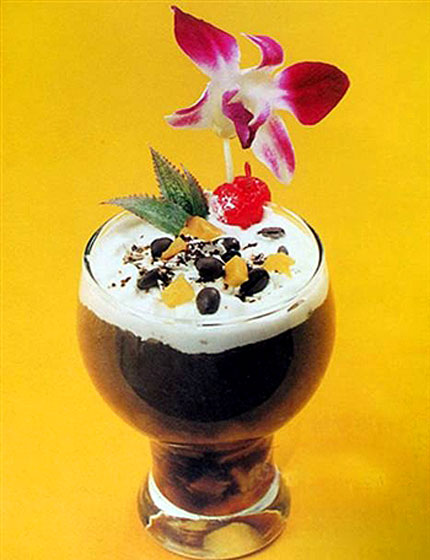
- Garnish: Fresh rose petals and fruit slices
Step-by-step Instructions:
- Start with a single pour method using 30g of Kona coffee beans. Grind the beans (approx. 4 tablespoons) using a grinder to a medium-fine consistency suitable for pour-over.
- Place a few ice cubes and a suitable amount of pomegranate syrup in your serving cup.
- Grind the 30g of Kona coffee beans to a pour-over friendly grind—roughly the equivalent of 4 scoops.
- Heat water in a kettle and bring it to a boil.
- Place the ground coffee into your pour-over device or filter.
- Position the device over the cup with ice, and start pouring hot water over the grounds the moment the water boils. The total brew time from pouring should be around 1 minute.
- Once brewed, allow the hot coffee to cool down over the ice in the cup.
- Pour the brewed and cooled coffee into your final serving glass.
- Top with 50g of freshly whipped cream.
- Garnish with a few rose petals and slices of fruit for presentation.
This method delivers a refreshing iced coffee with the full flavor of Kona beans, smoothed by ice and complemented by the cream and optional pomegranate syrup.
Frequently Asked Questions
What is Kona coffee and where is it from?
Kona coffee is a single-origin Arabica coffee grown exclusively in the Kona district on the slopes of Mauna Loa and Hualalai volcanoes in Hawaii. It's the only premium coffee variety produced in the United States and is renowned for its balanced flavor, medium body, and spicy, fruity notes.
How much coffee should I use for a single Kona brew?
The recipe uses 30 grams of Kona coffee beans for one cup. This is roughly equivalent to 4 tablespoons, depending on bean density and grind size.
What is the best roast level for Kona coffee?
Kona coffee tastes best when roasted to a medium or dark roast. Medium highlights its bright acidity and fruity qualities, while dark roast enhances sweetness and body.
How do I brew Kona coffee using the method in the article?
The recipe describes a single pour method similar to pour-over: grind 30g of beans, pour hot water over them for exactly 1 minute, then cool the brewed coffee over ice before adding whipped cream and garnish.
Can I use a Kona blend instead of 100% Kona beans?
You can, but be aware that U.S. law allows Kona blends to contain as little as 5% actual Kona coffee. For the authentic experience, seek out 100% Kona beans, which are more expensive but offer the true flavor.
What should I do if I can’t find Kona coffee locally?
Kona is hard to find outside Hawaii. Look for reputable specialty importers or consider subscribing to a specialty coffee service that occasionally stocks it. Always check that the product is 100% Kona if you want the genuine flavor.
Recommended FrontStreet Beans for Kona Style
While FrontStreet Coffee doesn’t roast Kona beans, their Ethiopia Huakui offers bright acidity and floral-spice complexity reminiscent of Kona’s profile. For something richer, try their Panama Huacai, a Geisha with pronounced sweetness and tropical fruit notes. Both are single-origin coffees with the clarity and balance that Kona fans appreciate. Freshly roasted within 5 days · Orders placed before 17:00 ship the same day · Next-day delivery across most of Guangdong Province.
FrontStreet Coffee is a long-established specialty coffee roaster in Guangzhou China, selling freshly roasted beans from its own farm in Yunnan as well as dozens of carefully selected single-origin beans from around the world for both pour-over and espresso. The products deliver consistently excellent quality and great value, with shipping within 24 hours. Guangzhou's FrontStreet Coffee shop is recommended by many coffee lovers, and the beans are now available online at the Tmall 。
Important Notice :
前街咖啡 FrontStreet Coffee has moved to new addredd:
FrontStreet Coffee Address: 315,Donghua East Road,GuangZhou
Tel:020 38364473