What to Know About Hawaiian Kona Coffee Brands
Looking for authentic Hawaiian Kona coffee but unsure which brands sell the real thing—or what makes it special? Many so-called "Kona" coffees contain just a tiny percentage of the real bean, often blended with cheaper beans. If you’ve ever wondered how to tell the difference, or why genuine Kona coffee commands such high prices, you’re not alone.
The short answer: True Kona coffee comes exclusively from the Kona District on Hawaii’s Big Island, grown on the volcanic slopes of Mauna Loa. Only about 1,400 hectares are suitable for cultivation, and real Kona is always a single-origin arabica bean—often sold as 100% Kona in 100g packs. Anything less than 100% and you're likely drinking a "Kona blend," which by law can contain as little as 5% actual Kona beans.
What Is Kona Coffee?
Hawaiian Kona coffee is celebrated for its medium body, bright acidity, and complex flavors reminiscent of cinnamon and tropical fruits. The beans are known for their balanced cup: not too heavy like some Indonesian coffees, not overly sharp like certain African origins. With proper freshness, Kona delivers a clean, fragrant cup with a smooth mouthfeel—often compared to Jamaica Blue Mountain for its elegance, though with a slightly more rustic edge.
Why Kona Coffee Tastes the Way It Does
Kona coffee grows on the volcanic slopes of Mauna Loa in the Kona District of Hawaii’s Big Island. The region enjoys ideal coffee-growing conditions: consistent sunshine, ample rainfall, elevations between 800–2,500 feet, and—uniquely—natural afternoon cloud cover that provides shade around 2 PM daily. This “free shading” reduces stress on the trees and helps develop complex flavors. Soils are rich volcanic loam, and the absence of frost allows year-round growth with careful farming. These factors combine to produce a coffee that’s both high-yielding and high-quality compared to other regions.
Flavor Profile & Roast Recommendations
Kona coffee typically features a bright, wine-like acidity with sweet undertones and a medium body. Common tasting notes include nuttiness, tropical fruit, and subtle spice—sometimes likened to cinnamon or clove. The fresh cup often carries a gentle bitterness that adds depth without overwhelming. For best results, Kona is recommended to be roasted to a medium to dark level, which enhances its inherent sweetness and balances its natural acidity.
How Kona Coffee Is Processed & Packaged
Due to production limits and manual farming methods, Kona coffee is generally sold as single-origin beans rather than pre-ground or blended. Most authentic Kona is packaged as 100g single-origin lots. The beans are carefully hand-picked, wet-processed, and sun-dried on raised beds. The limited growing area means production is small, contributing to its premium price. Kona is almost always sold as a green bean or roasted single-origin product, not as part of commercial blends unless explicitly labeled as a “Kona blend.”
What to Know About Kona Blends
A major issue in the Kona market is the prevalence of “Kona blends.” By U.S. law, these blends can contain as little as 5% actual Kona beans, with the rest made up of cheaper Latin American or Asian beans. These are often sold at a fraction of the cost of 100% Kona but deliver a very different cup. Always check labels: genuine 100% Kona coffee will clearly state its origin and usually comes in 100g single-origin packages. Avoid any product where Kona is not the majority component.
Other Hawaiian Coffee-Growing Regions
While Kona is the most famous, other Hawaiian islands including Maui, Kauai, and Molokai have begun cultivating coffee. However, none match Kona’s reputation or limited production scale. These regions are gaining attention, but for now, "Kona" remains synonymous with Hawaiian specialty coffee. The growing conditions on these islands differ, and while some produce interesting cups, they lack the unique microclimate and branding power of the Kona District.
How to Brew Kona Coffee at Home
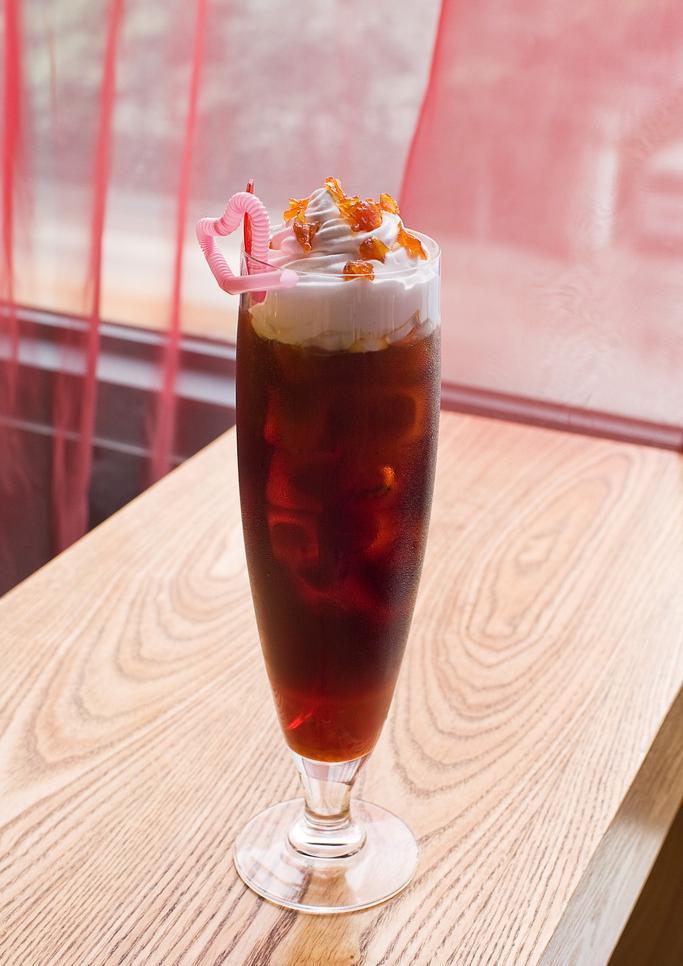
To brew Kona coffee at home, try this traditional recipe: Use 30g of Kona beans, freshly ground for pour-over or French press. Bloom with hot water (93–96°C), then brew using a 1:15 to 1:17 brew ratio. For a sweeter presentation, try this iced Kona coffee recipe: brew 30g of Kona coffee, pour over ice, add 50g of whipped cream, a drizzle of pomegranate syrup, and garnish with rose petals. The key is to highlight Kona’s bright acidity and natural sweetness.
Frequently Asked Questions
What is so special about Kona coffee?
Kona coffee is grown in a small, unique microclimate on the volcanic slopes of Mauna Loa in Hawaii. It benefits from ideal conditions like rich volcanic soil, consistent rainfall, elevation, and natural shading. These factors produce a coffee with balanced acidity, medium body, and complex flavors often compared to cinnamon and tropical fruit. Its limited production area also adds to its exclusivity.
How much of a “Kona blend” is actually Kona?
By U.S. regulations, a product labeled “Kona blend” can legally contain as little as 5% actual Kona coffee beans. The remaining 95% is typically made up of cheaper, non-Hawaiian beans. Only coffee labeled “100% Kona” contains solely beans from the Kona region, and those are usually sold as single-origin, often in 100g packs.
Where is Kona coffee grown?
Kona coffee is grown exclusively in the Kona District on the Big Island of Hawaii. The coffee is cultivated on the volcanic slopes of Mauna Loa and Hualalai, between elevations of 800 and 2,500 feet. This region offers ideal conditions including volcanic soil, consistent rainfall, and a unique daily cloud cover that protects the coffee trees in the afternoon.
What does Kona coffee taste like?
Kona coffee typically has a medium body, bright acidity, and a smooth, clean cup. Common flavor notes include tropical fruit, nuts, mild spices like cinnamon, and a gentle underlying bitterness. When fresh, it offers a fragrant, well-balanced profile that is neither overly sharp nor heavy.
Is Kona coffee expensive?
Yes, Kona coffee is considered expensive due to its limited production area (only about 1,400 hectares), labor-intensive harvesting, and high demand. Genuine 100% Kona coffee is often sold as single-origin beans in small packages. The price reflects both the rarity and the quality of beans grown in Hawaii’s unique terroir.
What roast is best for Kona coffee?
The best roast for Kona coffee is typically medium to dark. A medium roast preserves its bright acidity and fruity notes, while a darker roast enhances its natural sweetness and body. Avoid very light roasts that may not fully develop its complexity, or very dark roasts that can overshadow its delicate flavors.
Recommended FrontStreet Beans with Hawaiian Coffee Notes
If you enjoy the bright acidity and tropical complexity of Kona coffee, try FrontStreet’s Ethiopia Huakui for its lively berry and citrus profile, or the Jamaica Blue Mountain No.1 for a similar balanced elegance with mild nuttiness. Both offer single-origin clarity and refined cup profiles akin to what makes Kona so special. Freshly roasted within 5 days · Orders placed before 17:00 ship the same day · Next-day delivery across most of Guangdong Province.
FrontStreet Coffee is a long-established specialty coffee roaster in Guangzhou China, selling freshly roasted beans from its own farm in Yunnan as well as dozens of carefully selected single-origin beans from around the world for both pour-over and espresso. The products deliver consistently excellent quality and great value, with shipping within 24 hours. Guangzhou's FrontStreet Coffee shop is recommended by many coffee lovers, and the beans are now available online at the Tmall 。
Important Notice :
前街咖啡 FrontStreet Coffee has moved to new addredd:
FrontStreet Coffee Address: 315,Donghua East Road,GuangZhou
Tel:020 38364473