Hawaiian Kona Coffee Beans: Flavor, Price & Where to Buy
If you’ve ever wondered whether Kona coffee lives up to the hype—or why it’s so expensive—you’re not alone. This article breaks down everything: what real Kona tastes like, where it grows, how much you should pay, and how to avoid fake 'Kona blends'.
Hawaiian Kona coffee comes exclusively from the Kona district on Hawaii’s Big Island. Only about 1,400 hectares are suitable for growing it, and true 100% Kona coffee is rare and costly—often sold only in single-origin 100g packs. Blends with as little as 5% Kona (called 'Kona blends') are common, so always check the label.
What Is Kona Coffee?
Kona coffee is a premium single-origin arabica grown on the volcanic slopes of Hualalai and Mauna Loa in the Kona district of Hawaii’s Big Island. The beans are known for their large, shiny appearance, medium body, bright acidity, and complex flavors with hints of spice and sweetness. It’s the only truly high-end coffee produced in the United States, and it’s highly regarded for its balance and smoothness.
Flavor & Roast Profile
Kona coffee features a rich, aromatic profile with notes of cinnamon-like spice and tropical fruit. Its acidity is well-balanced, and the cup is smooth and wet, often described as refreshing yet complex. Fresh Kona has an exceptionally fragrant aroma. In terms of taste, it offers a strong acidity and sweetness with mild bitterness, resembling high-quality washed arabicas such as those from Central America. The roast range that best highlights its qualities is medium to dark.
Flavor descriptors include:
- Strong acidity
- Sweetness
- Nutty aromas
- Spice notes (like cinnamon)
- A hint of bitterness for depth
The overall experience is smooth and rounded, with a velvety mouthfeel and tropical fruit undertones—similar in prestige to Jamaican Blue Mountain but with a slightly earthier profile.
Where Kona Coffee Is Grown
Kona coffee is cultivated on the volcanic slopes of Mauna Loa and Hualalai in the Kona region on the western side of Hawaii’s Big Island. These high-altitude farms benefit from fertile volcanic soil, consistent rainfall, and a unique microclimate. Around 2–3 pm each day, natural cloud cover provides shade, protecting the delicate coffee cherries. This “free shading,” along with high elevations and careful farming, leads to some of the highest yields of high-quality arabica in the world. Despite ideal conditions, only about 1,400 hectares are suitable for growing true Kona coffee.
Why Is Kona Coffee So Expensive?
Several factors drive up the cost of genuine Kona coffee:
- Limited growing area: Only ~1,400 hectares are suitable.
- Labor-intensive cultivation: High-density, carefully managed farming.
- High local labor and living costs in Hawaii.
- High demand, especially from tourists.
Because of these constraints, pure 100% Kona coffee is rare and often sold in small 100g packs. Many commercially available products labeled as “Kona” are actually blends with as little as 5% actual Kona beans—these are called “Kona blends.” Always check the package to confirm the percentage of Kona if you want the real thing.
Where to Buy Authentic Kona Coffee
To ensure you’re buying real 100% Kona coffee, visit a Kona coffee farm on Hawaii’s Big Island, where you can tour the production and purchase directly. In the U.S., high-quality 100% Kona is also available at health-focused supermarkets like Whole Foods Market. Across the Hawaiian Islands, many convenience stores and supermarkets stock Kona, but always check the label:
- Look for “100% Kona Coffee” to ensure authenticity.
- Beware of “Kona Blends,” which may contain as little as 5% Kona.
Common places to find it include: ABC Stores, Foodland, Longs Drugs, Safeway, Walmart, Target, KTA Superstore, Island Gourmet Market, Lamonts, and more. Brands like TGalleria by DFS, Don Quijote, and even Walgreens may carry it—but verify the blend ratio.
How to Brew Kona Coffee (Recipe Included)
Here’s a simple recipe to highlight Kona’s bright and sweet profile:
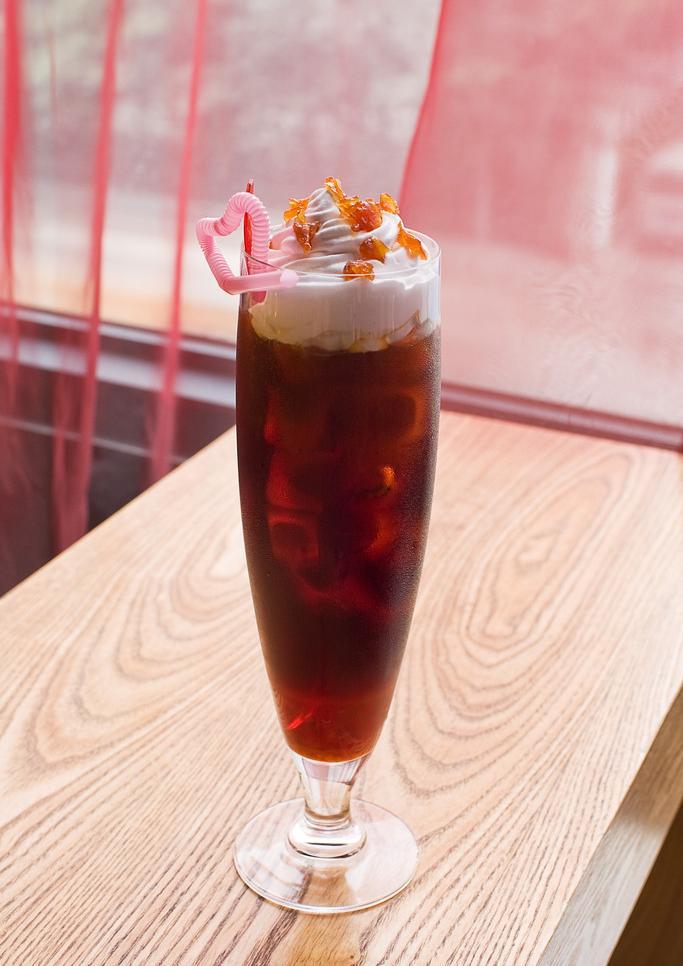
- Ingredients: 30g Kona coffee beans, 50g whipped cream, appropriate amount of pomegranate syrup, ice cubes, rose petals
- Steps:
- Use the single pour method.
- Add pomegranate syrup and ice to your cup.
- Grind 30g of Kona beans (approx. 4 tablespoons).
- Boil water in a kettle.
- Place ground coffee in a filter or server.
- Pour hot water over grounds; brew for 1 minute after brewing starts.
- Cool the brewed coffee over ice, then pour into your cup.
- Top with whipped cream and garnish with fruit slices and rose petals.
Kona Coffee Culture & Festival
Kona coffee culture is celebrated every year in November during the Kona Coffee Cultural Festival on Hawaii’s Big Island. The nearly 10-day event includes over 40 activities across the Big Island and Oahu, showcasing Kona’s history, farming heritage, and brewing methods. In 2015, the festival ran from November 6 to 15, offering workshops, cuppings, competitions, and farm tours for coffee lovers from around the world.
Frequently Asked Questions
What does Kona coffee taste like?
Kona coffee has a bright, medium-bodied profile with pronounced acidity, notes of spice (like cinnamon), tropical sweetness, and sometimes a slight bitterness. It’s smooth and aromatic, often compared to high-quality Central American coffees but with a uniquely fragrant, slightly creamy finish.
Where is Kona coffee grown?
Kona coffee is grown exclusively in the Kona district on the western slopes of Mauna Loa and Hualalai volcanoes on Hawaii’s Big Island. The region offers volcanic soil, high elevation, daily cloud cover for natural shading, and a stable, tropical climate—all ideal for high-quality arabica.
How much does real Kona coffee cost?
Authentic 100% Kona coffee is expensive due to limited supply and labor costs. It is usually sold in 100g single-origin packs. Prices vary, but it’s generally much pricier than generic blends. ‘Kona blends’ may contain as little as 5% Kona and are far more common and affordable.
What is a Kona blend?
A Kona blend is a coffee mix that contains only a small percentage—often 5% or less—of actual Kona beans, blended with cheaper coffees. Only products labeled “100% Kona Coffee” contain solely Kona beans. Always read the label to know what you’re buying.
How should I brew Kona coffee to bring out its best flavors?
Kona shines at medium to dark roast levels. For best results, use a pour-over or immersion method to highlight its bright acidity and complex sweetness. The included recipe uses a simple single-pour method with ice and whipped cream to complement its fruity and spicy profile.
FrontStreet Single Origins Similar to Kona
For coffee lovers drawn to Kona’s bright, spicy, and smooth profile, try FrontStreet’s Ethiopia Yirgacheffe (floral, citrus, jasmine), Panama Huacai (berry, chocolate, clean acidity), or Colombia Popayán (nutty, caramel, balanced). These single origins share Kona’s emphasis on clarity, sweetness, and medium body, making them great alternatives or complements. Freshly roasted within 5 days · Orders placed before 17:00 ship the same day · Next-day delivery across most of Guangdong Province.
FrontStreet Coffee is a long-established specialty coffee roaster in Guangzhou China, selling freshly roasted beans from its own farm in Yunnan as well as dozens of carefully selected single-origin beans from around the world for both pour-over and espresso. The products deliver consistently excellent quality and great value, with shipping within 24 hours. Guangzhou's FrontStreet Coffee shop is recommended by many coffee lovers, and the beans are now available online at the Tmall 。
Important Notice :
前街咖啡 FrontStreet Coffee has moved to new addredd:
FrontStreet Coffee Address: 315,Donghua East Road,GuangZhou
Tel:020 38364473