Hawaiian Kona Coffee: Flavors, Pricing & Ice Cream Brew
If you’ve ever wondered what makes Hawaiian Kona coffee so special—or whether the high prices are really worth it—you’re not alone. This article breaks down everything: the distinct flavor, the limited growing region, how to find the real thing, and even how to make a classic Kona iced coffee dessert.
Hawaiian Kona coffee is a rare, high-quality single-origin bean grown on the slopes of Hualalai and Mauna Loa volcanoes in the Kona district of Hawaii’s Big Island. Only about 1,400 hectares are suitable for cultivation, making true 100% Kona coffee scarce and often expensive. Authentic beans feature a balanced acidity, medium body, and rich flavors with notes of spice and tropical fruit.
What Is Kona Coffee?
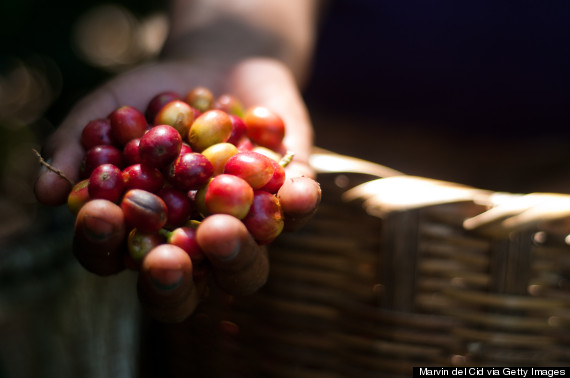
Kona coffee refers to beans grown in the Kona district on the western slopes of volcanoes in Hawaii’s Big Island. The coffee is celebrated for its clean, medium-bodied profile with bright acidity and complex flavors. The beans are typically wet-processed and have a smooth mouthfeel. Visually, Kona coffee cherries are notably plump and have a vibrant sheen.
Flavor Profile & Aroma
Kona coffee is known for its rich, aromatic cup with pronounced sweetness and mild to moderate acidity. Tasters often detect hints of cinnamon, nuts, and tropical fruits. The overall impression is smooth and well-balanced, resembling high-quality Central American coffees. The flavor is sometimes compared to Jamaican Blue Mountain but with a slightly more robust and earthy finish. When fresh, Kona coffee has an exceptionally fragrant aroma.
How Kona Coffee Is Grown
Kona coffee is cultivated on the volcanic slopes of Mauna Loa and Hualalai in the Kona district. The region enjoys ideal coffee-growing conditions: consistent sunlight, ample rainfall, and elevation between 800–2,000 feet. A unique microclimate effect—locally called “natural shading”—occurs around 2 p.m. daily when clouds roll in, providing essential protection from intense sun. These factors, combined with careful farming, contribute to Kona’s high-quality output despite the small cultivation area.
Why Is Kona Coffee So Expensive?
The limited growing area—just around 1,400 hectares—restricts production. Combined with Hawaii’s high cost of living, strong tourism demand, and global popularity, genuine 100% Kona coffee commands premium pricing. Some products marketed as “Kona blends” may contain as little as 5% actual Kona beans. Always check packaging to verify the percentage of Kona beans.
Where to Buy Authentic Kona Coffee
To ensure you’re buying real Kona coffee, visit a Kona coffee farm on Hawaii’s Big Island or purchase from trusted retailers. In the U.S., Whole Foods Market often stocks certified 100% Kona. Other reliable sources include major Hawaiian supermarkets and convenience stores such as ABC Stores, Foodland, Longs Drugs, Safeway, Walmart, and Target. Be sure to read labels carefully to distinguish between 100% Kona and lower-percentage blends. Common retail outlets include
Kona Coffee Roast & Brewing Recommendations
The optimal roast level for Kona coffee is medium to dark, which enhances its natural sweetness and complexity. For brewing, a medium grind suits methods like pour-over, French press, or drip. Kona coffee performs well across a range of brew styles, highlighting its balanced profile.
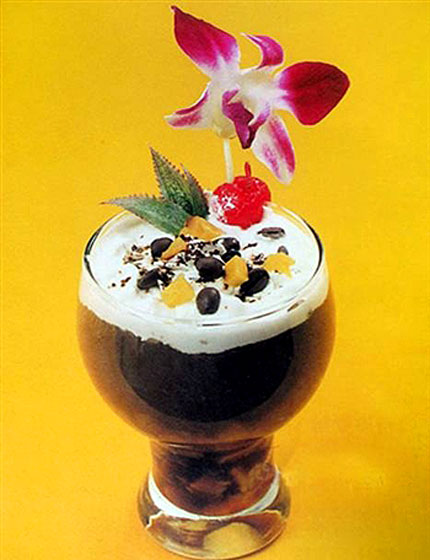
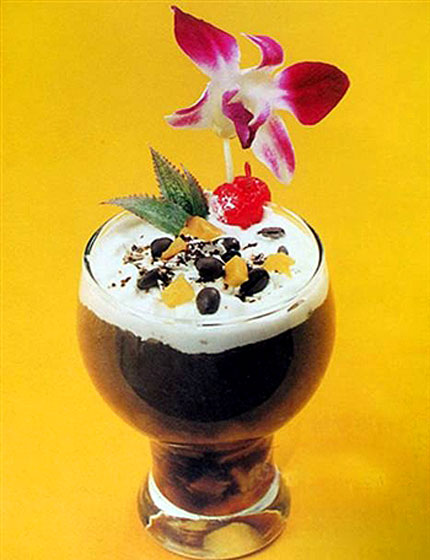
How to Make Hawaiian Ice Cream Coffee
A popular way to enjoy Kona coffee is in a refreshing iced dessert format. Here’s how to make a classic version:
- Ingredients: 30g Kona coffee beans, 50g whipped cream, appropriate amount of pomegranate syrup, ice cubes, and rose petals.
- Method: Use a single serve brewing method. Add pomegranate syrup and ice to a glass. Grind 30g of Kona beans (approx. 4 tablespoons). Boil water, then pour over the ground coffee in a filter placed over the glass. Brew for 1 minute as hot water drips through. Let the coffee cool over ice, then pour into your serving glass. Top with whipped cream and garnish with fruit slices and rose petals.
Kona Coffee Festival
The Kona Coffee Cultural Festival takes place annually in November on Hawaii’s Big Island. The nearly 10-day event celebrates the region’s coffee harvest and 180-year coffee heritage with over 40 activities, including competitions, workshops, and farm tours. The 2015 festival ran from November 6 to 15, drawing visitors eager to experience Kona coffee culture firsthand.
Is Kona Coffee Overrated?
Opinions vary, but many specialty coffee professionals rank Kona among the world’s best. Its reputation stems from consistent quality, unique terroir, and limited availability. Like fine wines from Napa Valley, Kona’s prestige is tied to its origin—but only when you’re drinking the real, 100% stuff.
Frequently Asked Questions
What does Kona coffee taste like?
Kona coffee has a balanced flavor with medium acidity, a medium body, and notes of spices, nuts, and tropical fruit. It is often described as smooth, aromatic, and slightly sweet, with a profile comparable to high-quality Central American coffees.
Where is Kona coffee grown?
Kona coffee is grown exclusively in the Kona district on the slopes of Mauna Loa and Hualalai volcanoes on Hawaii’s Big Island. The region's volcanic soil, elevation, and climate create ideal conditions for high-quality coffee production.
How much does real Kona coffee cost?
Authentic 100% Kona coffee is expensive due to limited supply and high production costs. Prices vary, but it generally costs more than most other single-origin coffees because of its rarity and labor-intensive cultivation.
What is the difference between 100% Kona and Kona blend?
100% Kona coffee contains only beans from the Kona region. Kona blends may include as little as 5% Kona beans mixed with other origins. Always check the label to confirm the percentage of Kona beans in the blend.
What is the best roast for Kona coffee?
The best roast level for Kona coffee is medium to dark roast. This brings out the bean’s natural sweetness and complexity while maintaining its inherent balance and acidity.
How can I make a Kona coffee dessert?
A simple and popular option is Hawaiian ice cream coffee: brew Kona coffee using a single serve or pour-over method, cool it over ice, then pour over ice cream or serve with whipped cream, fruit, and garnishes for a refreshing iced coffee treat.
Recommended FrontStreet Beans for Kona Fans
If you enjoy the balanced, sweet profile of Hawaiian Kona coffee, try FrontStreet Coffee’s Ethiopia Yirgacheffe for its floral brightness and citrus notes, or Colombia Huila for a nutty, chocolatey cup with medium acidity. Both offer complexity and clarity akin to what makes Kona so beloved. Freshly roasted within 5 days · Orders placed before 17:00 ship the same day · Next-day delivery across most of Guangdong Province.
FrontStreet Coffee is a long-established specialty coffee roaster in Guangzhou China, selling freshly roasted beans from its own farm in Yunnan as well as dozens of carefully selected single-origin beans from around the world for both pour-over and espresso. The products deliver consistently excellent quality and great value, with shipping within 24 hours. Guangzhou's FrontStreet Coffee shop is recommended by many coffee lovers, and the beans are now available online at the Tmall 。
Important Notice :
前街咖啡 FrontStreet Coffee has moved to new addredd:
FrontStreet Coffee Address: 315,Donghua East Road,GuangZhou
Tel:020 38364473