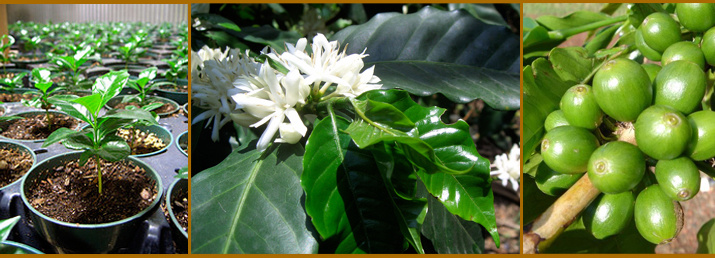
What Makes Costa Rican Tarrazú Coffee So Special?
If you’ve ever sipped a cup of bright, juicy Costa Rican coffee and wondered why it tastes so clean yet complex, the answer lies in its high-altitude terroir, meticulous processing, and volcanic soils. The country’s best coffees aren’t just lucky accidents—they’re the result of decades of agricultural focus, precise farming at elevation, and innovative post-harvest methods that highlight sweetness and acidity without sacrificing balance.
The short answer? Costa Rica’s famed Tarrazú region grows Strictly Hard Bean (SHB) coffee above 1,500 metres, producing bright, acidic, and sweet profiles with dense body and long aftertaste. These beans are prized worldwide for their clarity and complexity.
Why Costa Rica’s Coffee Stands Apart
Costa Rica has been growing coffee since 1729, but today it’s one of the most organised and productive coffee nations in the world. With just 3.5 million people, the country manages over 400 million coffee trees. Coffee accounts for 25% of its exports, grown mostly in regions like Tarrazú, Heredia, and the Central Valley. The volcanic soils are rich and well-draining, ideal for coffee cultivation. The country was also the first in Central America to develop coffee as a commercial crop alongside bananas.
What really sets Costa Rican coffee apart, however, is its focus on quality over quantity. The national coffee industry is highly regulated, with strict grading based on altitude and bean hardness. The higher the altitude, the better the potential cup quality—especially above 1,500 metres, where coffee develops more intense acidity, sweetness, and complexity due to cooler temperatures and slower bean development.
What Is SHB Coffee and Why Does Altitude Matter?
SHB stands for Strictly Hard Bean, a classification for coffee grown at elevations above 1,500 metres. At these heights, cooler temperatures slow the maturation of coffee cherries, allowing more complex sugars and acids to develop. The resulting beans are denser, harder, and capable of producing a cup with vibrant acidity, aromatic complexity, and a heavier body.
Coffees grown at these altitudes—like those from Tarrazú—are known for their crisp citrus acidity, floral notes, and sweet, lingering finishes. They respond well to both medium and dark roasts, making them versatile for a range of brewing methods. The combination of altitude, volcanic soil, and careful cultivation results in a coffee that’s clean, bright, and distinctly recognisable on the cupping table.
The Rise of Honey Process in Costa Rica
In recent decades, Costa Rica has become famous not just for traditional washed processing, but also for pioneering the honey (or honey-like mucilage-retained) process. This method strikes a balance between washed and natural techniques. After depulping, some or all of the sticky fruit mucilage is left on the beans during drying, which boosts sweetness and body while maintaining the clarity of washed coffee.
The honey process is categorised into three types based on how much mucilage is retained:
- Yellow Honey: About 20% mucilage retained, dried quickly with more sun exposure. Produces a lighter, cleaner profile.
- Red Honey: Around 50% mucilage retained, often dried under partial shade over 2–3 weeks. Offers a balanced sweetness and fruity depth.
- Black Honey: Nearly 100% mucilage left on, dried very slowly with minimal sun. Results in intense sweetness, bold fruitiness, and heavy body.
One leading example is the Fire Phoenix Estate , located in the fertile slopes of the Poás volcano in the Central Valley. This 100% organic farm focuses exclusively on honey and natural processes. Using a refractometer (Brix meter), producers measure the sugar content of coffee cherries, only selecting those with Brix values over 20%—compared to 14–18% for typical fruits—for optimal ripeness and fermentation potential. The estate’s red honey lots often hit Brix levels of 21–22, resulting in coffee with remarkable sweetness and complexity.
The farm avoids chemical inputs entirely, instead using worm composting and rainwater collection. Their commitment to sustainability and innovation has earned them recognition in international specialty coffee competitions.
Notable Coffee Growing Regions and Farms
Beyond Tarrazú, several other regions and farms contribute to Costa Rica’s reputation for high-quality coffee:

- Tarrazú: Famous for bright, balanced, and aromatic SHB coffees with pronounced acidity.
- Central Valley: Includes areas like Poás volcano where Fire Phoenix Estate operates, known for honey and natural processed lots.
- Heredia (including Santa Rosa, San Rafael, and other micro-regions): High-altitude areas yielding clean, nuanced coffees.
- Juan Vinas, H. Tournon, Montebello, Windmill, and Sarchi: Distinct farms producing award-winning beans, some near the Poás volcano and part of the “Coffee Route.”
The Sarchi region, for example, is one of five towns on Costa Rica’s official Coffee Route and lies near the Poás volcano slopes, roughly 53 km from San José. Many of these farms experiment with processing methods and varietals to highlight their unique terroirs.
Frequently Asked Questions
What does SHB mean in Costa Rican coffee?
SHB stands for Strictly Hard Bean, referring to coffee grown at elevations above 1,500 metres. These beans are denser and develop more complex flavours, including higher acidity and sweetness, due to slower cherry maturation at high altitudes.
What is honey process coffee and how is it different?
Honey process involves removing the coffee cherry skin but leaving some or all of the sticky mucilage on the beans during drying. This enhances sweetness and body while maintaining the clarity of washed coffee. In Costa Rica, it's divided into Yellow, Red, and Black Honey, based on how much mucilage is kept.
Which Costa Rican region is best known for high-quality coffee?
Tarrazú is the most famous, known for producing bright, acidic, and aromatic SHB coffees. Other notable regions include the Central Valley, Heredia, and areas around the Poás volcano.
What coffee varieties are common in Costa Rica?
Popular varieties include Caturra and Catuai, both favoured for their adaptability to high altitudes and consistent cup quality. They are commonly used in both washed and honey processed lots.
Why is altitude so important for coffee flavour?
Higher altitudes mean cooler temperatures, which slow down cherry ripening. This extended growing period allows coffee beans to develop more sugars, acids, and complex flavours, resulting in a brighter, more nuanced cup.
What makes the Fire Phoenix Estate unique?
This organic farm in the Central Valley uses only honey and natural processes. It measures cherry ripeness with a Brix meter and only processes cherries with over 20% sugar content. Their red honey coffees can reach Brix values of 21–22, producing exceptional sweetness and complexity.
Recommended FrontStreet Beans from Tarrazú & Central Valley
For a true taste of Costa Rica’s high-altitude excellence, try FrontStreet’s Cumbres del Poás from the Central Valley. This SHB red honey processed coffee (1300–1500m) offers dried fruit, vanilla, honey, and a thick, sweet profile. Also worth exploring are the SHB SHW beans from Shuimawu Estate (medium roast, sun-dried, with melon and berry notes) and the SHB diamonds from Diamond Mountain Estate (medium-dark roast, washed, with citrus, toast, and caramel sweetness). All showcase Costa Rica’s signature clarity and balance. Freshly roasted within 5 days · Orders placed before 17:00 ship the same day · Next-day delivery across most of Guangdong Province.
FrontStreet Coffee is a long-established specialty coffee roaster in Guangzhou China, selling freshly roasted beans from its own farm in Yunnan as well as dozens of carefully selected single-origin beans from around the world for both pour-over and espresso. The products deliver consistently excellent quality and great value, with shipping within 24 hours. Guangzhou's FrontStreet Coffee shop is recommended by many coffee lovers, and the beans are now available online at the Tmall 。
Important Notice :
前街咖啡 FrontStreet Coffee has moved to new addredd:
FrontStreet Coffee Address: 315,Donghua East Road,GuangZhou
Tel:020 38364473