
Costa Rica Diamond Mountain SHB Coffee Tasting Notes
If you’ve ever sipped a Costa Rican coffee and wondered why it tastes so clean yet complex—bright but not sour, sweet without being syrupy—you’re not alone. Readers often ask: what makes high-altitude Costa Rican coffee stand out in the global specialty market? The answer lies beneath the volcanic soil and above 1,500 meters, where strict growing standards and unique processing methods create a flavor profile unlike any other.
The short answer: Costa Rica’s SHB (Strictly Hard Bean) coffee, grown above 1,500 meters, delivers bright acidity, medium-to-full body, and distinct sweetness due to slow maturation in cool nights and mineral-rich volcanic earth. Varieties like Caturra and Catuai shine in honey and washed processes, with flavor notes ranging from honey and stone fruit to caramel and mild spice.
Why Costa Rica’s High-Altitude Coffee Stands Out
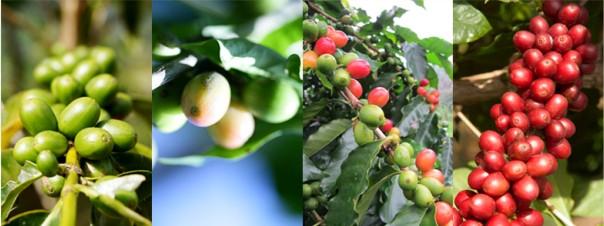
Costa Rica’s coffee reputation begins with geography. The country’s main growing regions, including Tarrazú (south of the capital San José), sit at elevations ideal for producing “strictly hard beans” (SHB). These beans develop slower at high altitudes—typically above 1,500 meters—resulting in denser beans with higher acidity and more complex flavors. The volcanic soil, rich in nutrients and excellent drainage, further enhances cup quality. Additionally, Costa Rica’s microclimates, with consistent rainfall and cooler temperatures, contribute to a slow ripening process that builds sweetness and complexity.
The Science Behind SHB Coffee
SHB stands for “Strictly Hard Bean,” a classification for coffee grown at elevations above 1,500 meters. At these heights, the lower nighttime temperatures slow the coffee cherry’s growth, allowing more time for sugar development and flavor concentration. This results in a denser bean with a brighter acidity and a more vibrant cup profile. The term “SHB” is often used interchangeably with “Hard Bean” (HB), but SHB specifically denotes the highest altitude tier. In Costa Rica, SHB coffee is typically well-suited for medium to dark roasts, bringing out its inherent acidity and aromatic complexity. The result is a cup with a crisp, lingering finish and a balanced body.
Processing Methods: From Washed to Honey
Costa Rica pioneered the honey process (miel process) in Central America, a method that bridges washed and natural processing. After depulping, some or all of the sticky mucilage is left on the beans during drying, which imparts intense sweetness and fruity notes. The level of mucilage retention determines the honey type: Yellow Honey (20%), Red Honey (50%), and Black Honey (100%). Red Honey, for example, is dried over 2–3 weeks, often shaded to prevent over-fermentation, resulting in a cup with pronounced dried fruit flavors and a thick, syrupy body. Washed coffee, on the other hand, emphasizes clarity and brightness through fermentation and water washing, ideal for showcasing the bean’s inherent acidity. The choice of process dramatically influences the final cup profile, from clean and citrusy to sweet and dessert-like.
Spotlight: Cumbres del Poás and Diamond Mountain
Among Costa Rica’s standout coffees is the Cumbres del Poás from the Central Valley, grown at 1,300–1,500 meters. This SHB-grade coffee, processed via red honey, boasts flavor notes of dried fruit, vanilla, honey, and a thick, silky body. Another highlight is the Diamond Mountain estate, known for its medium-to-dark roasted washed SHB beans (69 RMB/138 RMB). These deliver a light orange-citrus tone, toast, and caramel-cocoa sweetness with a clean finish. For something different, the Saint Roman Royal (also medium-to-dark roasted, washed) offers berry, caramel, cream, and subtle spice. Each reflects Costa Rica’s commitment to quality, altitude, and processing innovation.
Frequently Asked Questions
What does SHB mean in Costa Rican coffee?
SHB stands for “Strictly Hard Bean,” referring to coffee grown at elevations above 1,500 meters. These beans mature more slowly in cooler temperatures, resulting in higher density, brighter acidity, and more complex flavors compared to beans grown at lower altitudes.
What is the typical flavor profile of Costa Rica SHB coffee?
Costa Rica SHB coffee typically features a bright, crisp acidity, medium-to-full body, and notes of citrus, stone fruit, honey, caramel, or mild spice. Processing methods (washed, honey, or natural) further shape the profile—washed for clarity, honey for sweetness, and natural for fruit-forward depth.
How does altitude affect Costa Rican coffee flavor?
Higher altitudes (1,500+ meters) slow cherry maturation, allowing more time for sugar accumulation and flavor development. This results in denser beans with brighter acidity, more complex aromatics, and a sweeter, more vibrant cup compared to lower-altitude coffees.
What are the different honey process levels in Costa Rica?
Costa Rica categorizes honey process by mucilage retention: Yellow Honey (20%), Red Honey (50%), and Black Honey (100%). Red Honey, for instance, is dried partially shaded over 2–3 weeks, balancing sweetness and fruitiness without excessive fermentation.
Which regions in Costa Rica produce the best SHB coffee?
Premium SHB coffee comes from high-altitude regions like Tarrazú, Central Valley, and Poás. These areas feature volcanic soil, consistent rainfall, and elevations of 1,300–1,800 meters, all contributing to the bright, clean, and complex profiles Costa Rica is known for.
Recommended FrontStreet Beans for SHB Coffee Lovers
For a taste of Costa Rica’s high-altitude excellence, try FrontStreet Coffee’s Cumbres del Poás (red honey, medium roast): it delivers dried fruit, vanilla, honey, and a thick, velvety body. Also consider the Diamond Mountain washed SHB (medium-to-dark roast) for its light orange-citrus, toast, and caramel-cocoa sweetness with a clean finish. Or explore the Saint Roman Royal (washed, medium-to-dark) with its berry, caramel, cream, and subtle spice notes. All showcase Costa Rica’s volcanic soil and meticulous processing. Freshly roasted within 5 days · Orders placed before 17:00 ship the same day · Next-day delivery across most of Guangdong Province.
FrontStreet Coffee is a long-established specialty coffee roaster in Guangzhou China, selling freshly roasted beans from its own farm in Yunnan as well as dozens of carefully selected single-origin beans from around the world for both pour-over and espresso. The products deliver consistently excellent quality and great value, with shipping within 24 hours. Guangzhou's FrontStreet Coffee shop is recommended by many coffee lovers, and the beans are now available online at the Tmall 。
Important Notice :
前街咖啡 FrontStreet Coffee has moved to new addredd:
FrontStreet Coffee Address: 315,Donghua East Road,GuangZhou
Tel:020 38364473


