How to Choose and Brew Kenyan Coffee Beans
If you’ve ever sipped a cup of Kenyan coffee and wondered what made it taste so distinctly vibrant—like blackcurrant, citrus, and wine all at once—you’re not alone. Many coffee drinkers are curious about what sets Kenyan beans apart, especially those labeled 'AA'. The answer isn’t just marketing: it’s the combination of terroir, variety, processing, and roast level that creates such a memorable cup.
To experience the classic Kenyan coffee profile—bright acidity, layered fruitiness, and a wine-like body—the key is starting with high-quality Kenyan AA beans, ideally sourced from smallholder farms and processed via the traditional washed method. Light to medium roasts bring out the best of their distinct characteristics.
What Makes Kenyan Coffee So Distinctive?
Kenyan coffee, often referred to simply as 'Kenya AA', is one of Africa’s most celebrated highland-grown coffees. The 'AA' grade denotes the highest quality beans, recognized for their large, round shape and dense meatiness. These beans typically feature a vibrant, juicy acidity and complex fruit flavors. Most are lightly roasted to preserve their intricate taste profile. A morning cup can be remarkably awakening, thanks to its bold yet clean character.
The Origins: How Kenyan Coffee Took Root
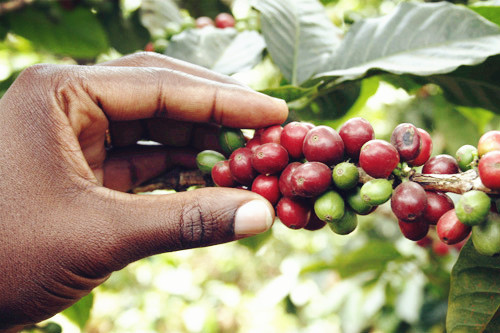
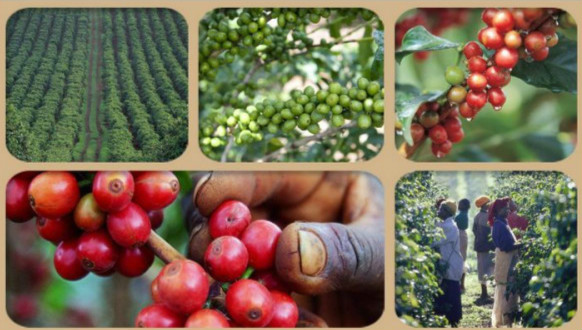
Coffee arrived in Kenya in the 19th century, initially brought via Yemen from Ethiopia. However, it wasn’t until the early 20th century that the iconic Bourbon variety was introduced by the St. Austin Mission. Today, Kenyan coffee thrives at elevations between 1,500 and 2,100 meters, with two main harvests per year. To maintain quality, only ripe cherries are handpicked—often requiring up to seven passes through the fields.
The majority of Kenyan coffee is grown by smallholder farmers who deliver their freshly picked cherries to cooperative washing stations. There, the beans are depulped, fermented, washed, and dried on raised beds as parchment coffee. The cooperatives consolidate the harvest, and farmers are paid based on the average quality and market price—a system that’s considered equitable for both producers and buyers.
Flavor Profile: Why Kenyan Coffee Tastes Like Nothing Else
Kenyan coffee is known for its vivid fruitiness, often compared to blackberry, grapefruit, and even plum. Its flavor isn’t just fruity—it’s multi-layered, with a crisp, juicy acidity reminiscent of citrus soda or fresh fruit juice. Many tasters detect pronounced notes of citrus and wine, balanced by a medium body and a clean finish. Some lots even offer herbal or spicy undertones.
Variability is another hallmark. Because Kenyan coffee is grown by smallholders across diverse microclimates, annual weather variations yield markedly different flavor profiles from year to year and region to region. For example, the 2001 Samburu AA+ lot had deep, muted umami notes with low acidity and a thick mouthfeel, while the 2002 crop from the same region showed bright berry and spice tones with a lingering green tea finish and higher acidity.
Beyond the well-known AA grade, other Kenyan offerings include regional lots like Samburu or estates such as the Gitugi Factory. Common tasting notes across many Kenyan coffees include dark fruit, raisin, citrus acidity, guava, and grapefruit. Some lots lean spicy or winey. That ‘more like fruit tea than coffee’ impression? That’s a hallmark of a well-brewed light-roast Kenyan.
The Science Behind the Flavor: SL Varieties & Washed Processing
A big reason for Kenyan coffee’s unique fruitiness lies in its plant genetics. The most famous Kenyan coffee varieties are SL28 and SL34, developed by the Scott Laboratories (SL) in the 1930s. These were among 40 experimental cultivars bred to handle high altitudes and produce exceptional cup quality.
- SL28: Delivers strong notes of blackcurrant, citrus, and wine, with deep, resonant acidity and a rich, rounded mouthfeel.
- SL34: Offers bright fruit acidity along with nutty and spicy complexity.
These varieties, combined with Kenya’s volcanic, high-phosphorus soils, have helped the country earn a reputation for producing some of the most distinctive coffees in the world—despite initial skepticism about cultivated vs. wild varieties.
Kenya’s washed processing method also plays a huge role. After pulping, the coffee is fermented for around 48 hours to remove the mucilage, then soaked in clean water for another 24 hours. This extended water-washing process enhances the coffee’s fruity and juicy characteristics, contributing to its trademark clarity and vibrancy.
How to Brew Kenyan Coffee for Maximum Flavor
To highlight Kenyan coffee’s complex acidity and fruit notes, opt for a pour-over method such as V60 or Kalita Wave using a medium-fine grind (similar to table salt). A brew ratio of 1:16 (e.g., 15g coffee to 240ml water) and water temperature around 93°C (200°F) works well. Start with a 30-second bloom using a little extra water, then proceed with controlled, even pours.
Light to medium roasts are ideal—dark roasting can mute the delicate fruit and acid tones. Cold brew and ice drip methods also showcase Kenyan coffee’s bright profile, making it a favorite for summer brewing.
Frequently Asked Questions
What does 'AA' mean in Kenyan coffee?
'AA' is a grade given to Kenyan coffee beans, indicating the largest and highest quality beans with a round shape and dense structure. These beans are typically associated with the best flavor and are usually light roasted to highlight their fruity and acidic qualities.
What makes Kenyan coffee taste different from other African coffees?
Kenyan coffee is distinct due to its high-altitude growth, SL28 and SL34 coffee varieties, and the meticulous washed processing method. These factors create a profile with intense fruit acidity—often citrus or berry-like—a winey richness, and a clean, bright finish not commonly found in other African coffees.
How should I roast Kenyan coffee to get the best flavor?
To best highlight Kenyan coffee’s vibrant acidity and fruit complexity, use a light to medium roast. Dark roasting can overpower the delicate citrus, berry, and wine notes that make Kenyan beans unique.
What brewing method works best for Kenyan coffee?
Pour-over methods like V60 or Kalita Wave are ideal for Kenyan coffee, as they emphasize clarity and acidity. Use a medium-fine grind, a 1:16 brew ratio, and water around 93°C. Cold brew and ice drip also work wonderfully to enhance its bright fruitiness.
Are Kenyan coffee beans only available as single origins?
While Kenyan beans are most famous as single-origin coffees to showcase their unique profiles, they can also be found in some specialty blends. However, buying them as single origins is the best way to experience their distinctive fruit and acidity characteristics.
Recommended FrontStreet Beans for Kenyan Coffee Lovers
For a true taste of Kenya, try FrontStreet Coffee’s Kenya Little Tomato, which highlights the SL28 and SL34 varieties with a bright, juicy profile of tomato, snow pear, black plum, and caramel. Also consider their Kenyan AA from the Yara Factory, offering floral notes, blackcurrant, and cranberry, or the Gitugi Factory lot with its fragrant, fruity character. All are washed processed and best enjoyed as light or medium roasts. Freshly roasted within 5 days · Orders placed before 17:00 ship the same day · Next-day delivery across most of Guangdong Province.
FrontStreet Coffee is a long-established specialty coffee roaster in Guangzhou China, selling freshly roasted beans from its own farm in Yunnan as well as dozens of carefully selected single-origin beans from around the world for both pour-over and espresso. The products deliver consistently excellent quality and great value, with shipping within 24 hours. Guangzhou's FrontStreet Coffee shop is recommended by many coffee lovers, and the beans are now available online at the Tmall 。
Important Notice :
前街咖啡 FrontStreet Coffee has moved to new addredd:
FrontStreet Coffee Address: 315,Donghua East Road,GuangZhou
Tel:020 38364473