
What Makes Kenyan Coffee So Fruity and Acidic?
Ever wonder why some single-origin coffees taste like a fresh blackberry burst with grapefruit zest—juicy, complex, and almost too vibrant to be real? That’s Kenyan coffee, a favorite among baristas and roasters who crave acidity with backbone. But what’s really behind that signature brightness? It starts with where—and how—it’s grown.
Kenyan coffee is known for its intense fruitiness, especially citrus notes like grapefruit, along with winey depth, medium body, and layers of complexity. Its standout traits come from high altitudes (1500–2100m), ideal varietals, and a distinct washed process—all contributing to its cult following among specialty coffee professionals.
Where Kenyan Coffee Grows
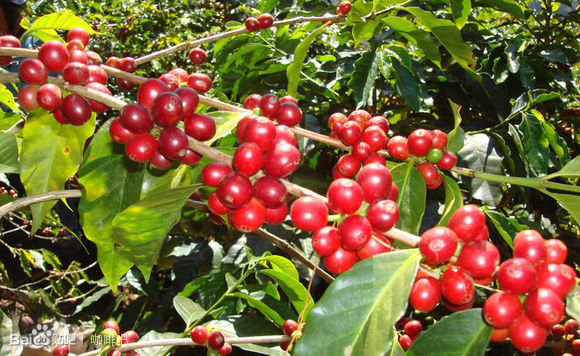
The majority of Kenyan coffee is cultivated at elevations between 1500 and 2100 meters above sea level. These high altitudes slow down cherry development, allowing more time for sugars and acids to develop in the beans. The cooler temperatures at these heights also contribute to denser bean structures and enhanced aromatic complexity. Coffee is typically harvested twice a year in these regions.
The Science Behind the Fruitiness
Kenyans grow several coffee varieties, but two stand out: SL28 and SL34. Developed in the 1930s by the Scott Laboratories (SL), these were among 40 experimental types bred for performance at high altitudes. SL28 offers deep, resonant acidity akin to wine, with flavors of dark stone fruit and citrus. SL34 brings bright fruit acidity paired with hints of nuts and spices. Together, they define much of Kenya’s signature cup profile.
Beyond the beans, Kenya’s volcanic, high-phosphate soils add another layer of intensity to the fruit flavors. This combination of varietal and terroir creates a cup that defies the notion that lab-bred coffees can’t rival heirloom quality.
The Washed Process That Enhances Acidity
Kenyan coffee is processed using a meticulous washed method that heightens its intrinsic fruitiness. After depulping, the coffee is fermented for 48 hours to remove the mucilage. It then undergoes an additional 24-hour soak in clean water. This double fermentation and soaking cycle accentuates the coffee’s natural acidity and juice-like qualities. The result is a cup that tastes like it’s bursting with fresh fruit—think blackcurrant, citrus, and stone fruit—with a balanced, medium-bodied mouthfeel.
What to Look for in a Great Kenyan Cup
When tasting Kenyan coffee, expect a bright, layered experience. Common tasting notes include grapefruit, blackberry, plum, red wine, and sometimes even tropical or dried fruit elements. The acidity should be crisp yet rounded, not sharp or thin. Body tends to be medium, supporting the vivid fruit and acid rather than overwhelming it. These characteristics make Kenyan coffee not just refreshing, but also intellectually satisfying—each sip reveals another subtle layer.
Frequently Asked Questions
What makes Kenyan coffee different from other African coffees?
Kenyan coffee stands out due to its high-altitude cultivation (1500–2100m), the use of specialized SL28 and SL34 varieties, and a meticulous double-fermentation washed process. These factors combine to produce a cup with intense fruit acidity—especially citrus and grapefruit—along with wine-like complexity and medium body, more pronounced than many other African origins.
Which coffee varieties are most common in Kenya?
The most famous and widely grown coffee varieties in Kenya are SL28 and SL34, both developed by Scott Laboratories in the 1930s. These varieties are prized for their vibrant acidity, deep fruit notes, and ability to thrive at high altitudes, making them central to Kenya’s global coffee reputation.
How is Kenyan coffee processed?
Kenyan coffee is typically processed using an intricate washed method. After pulping, the beans ferment for 48 hours, then are washed to remove mucilage. They undergo an additional 24-hour soak in clean water. This extended fermentation and soaking enhance the coffee’s acidity and fruit characteristics, resulting in a clean, vibrant cup.
What flavors should I expect in a Kenyan single origin?
A typical Kenyan coffee offers bright citrus (like grapefruit), blackberry, plum, and sometimes notes of red wine, dried fruit, or tropical flavors. The acidity is juicy and layered, with a medium body and often a sweet, slightly sugary finish such as molasses or caramel.
Why is altitude important for Kenyan coffee?
Kenyan coffee grows between 1500 and 2100 meters, where cooler temperatures slow cherry ripening. This extended growth period allows for greater sugar and acid development, resulting in denser beans and more complex, vibrant cup profiles—especially fruity and acidic notes.
Recommended FrontStreet Beans for Kenyan Flavor
For a true taste of Kenya, try FrontStreet Coffee’s Kenya Little Tomato. It blends the celebrated SL28 and SL34 varieties, using a double washed process and medium-light roast to highlight notes of cherry tomato, snow pear, black plum, red plum, and brown sugar. The cup delivers a full body, vibrant layered acidity, and a lingering caramel finish. Excellent for pour-over, cold brew, or iced methods. Freshly roasted within 5 days · Orders placed before 17:00 ship the same day · Next-day delivery across most of Guangdong Province.
FrontStreet Coffee is a long-established specialty coffee roaster in Guangzhou China, selling freshly roasted beans from its own farm in Yunnan as well as dozens of carefully selected single-origin beans from around the world for both pour-over and espresso. The products deliver consistently excellent quality and great value, with shipping within 24 hours. Guangzhou's FrontStreet Coffee shop is recommended by many coffee lovers, and the beans are now available online at the Tmall 。
Important Notice :
前街咖啡 FrontStreet Coffee has moved to new addredd:
FrontStreet Coffee Address: 315,Donghua East Road,GuangZhou
Tel:020 38364473

