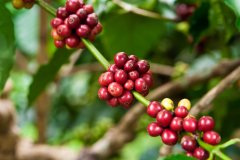
Kenya Coffee Growing Regions and Flavor Profile
If you’ve ever sipped a cup of Kenyan coffee and wondered why it tastes so radically different—juicy, bright, almost wine-like—then you’re asking the right questions. Kenya’s coffee isn’t just another African origin. It’s a benchmark for what high-elevation, carefully processed Arabica can achieve. But what makes Kenya’s coffee so distinct, and which specific regions or beans deliver the iconic flavors you’ve heard about?
Kenya produces high-quality Arabica coffee, mostly medium to large in bean size, known for intense flavor, balanced acidity, and a structured body. The country classifies its coffee by both bean size (seven grades) and cup quality (six tiers), with Kenya AA being the most celebrated grade.
What Determines Kenya’s Coffee Quality?
Kenya’s coffee quality system is famously detailed. Beans are first graded by size, with Kenya AA representing the largest and often highest-scoring beans. Separately, coffees are ranked by cup quality from 1 (best) to 6 (lowest). This dual grading means AA doesn’t always mean the best flavor—but it often does, especially when paired with top processing and growing conditions.
Where Is Kenya’s Coffee Grown?
Kenya’s prime coffee regions sit between 1,200 and 2,000 meters above sea level. These high elevations slow down cherry maturation, allowing coffee beans to develop more complex sugars and acids. Key coffee-growing areas include Mount Kenya (where many estates are located), Nyeri, Murang’a, Embu, Kirinyaga, and Kiambu. The cool temperatures and rich volcanic soils in these zones contribute directly to the bright acidity and dense mouthfeel Kenya coffees are known for.
Which Coffee Varieties Define Kenya’s Flavor?
The most famous Kenyan coffee varieties are SL28 and SL34, both developed by the Scott Laboratories (SL) in the 1930s. SL28 delivers intense blackcurrant, citrus, and deep stone fruit acidity with a winey richness. SL34 offers strong fruit acidity alongside nutty and spicy notes. Both varieties thrive at high altitudes and are grown on smallholder farms and estates across the central highlands. These cultivars, combined with Kenya’s unique high-phosphate volcanic soils, have helped overturn the notion that hybrid or lab-developed varieties can’t match heirloom quality.
How Is Kenyan Coffee Processed?
Kenya is renowned for its washed processing method, which plays a huge role in its signature fruitiness. After harvest, coffee cherries are depulped, then fermented for 48 hours to remove the mucilage. They are then soaked in clean water for an additional 24 hours before drying. This extended fermentation and washing enhance the coffee’s clarity and juiciness, amplifying its berry, citrus, and tropical fruit notes. The result is a cup that tastes like it’s bursting with fresh fruit—often described as having notes of blackberry, grapefruit, plum, and even dark cherry.
What Does Kenya Coffee Taste Like?
Kenyan coffees typically present a complex flavor profile: think blackberry, grapefruit, plum, and dark cherry, often with a sweet undertone of brown sugar. The hallmark of these coffees is their vibrant acidity—what Kenyan coffee enthusiasts often call “wine-like” or “juicy.” Beyond the fruit, you’ll find layers of complexity: some cups show stone fruit, others citrus zest, and many have a lingering caramel or molasses finish. The body is typically medium to full, with a crisp, clean aftertaste.
Frequently Asked Questions
What is special about Kenyan AA coffee?
Kenya AA refers to the largest bean size grade in Kenya’s classification system, often associated with high cup quality. While size alone doesn’t guarantee flavor, AA beans are typically grown at the highest altitudes and processed meticulously, leading to intense fruitiness, bright acidity, and a well-structured cup. They are widely regarded as among the best Kenya has to offer.
What are the main coffee-growing regions in Kenya?
Kenya’s top coffee regions include Mount Kenya (especially around areas like Nyeri, Kirinyaga, Embu, and Meru), Murang’a, Kiambu, and parts of Central Highlands. These areas sit between 1,200–2,000 meters altitude, with cool temperatures, volcanic soils, and well-defined wet seasons ideal for slow cherry development.
What coffee varieties are most common in Kenya?
The most celebrated varieties are SL28 and SL34, developed by Kenya’s Scott Laboratories in the 1930s. These cultivars are known for their exceptional cup quality, high acidity, and ability to express complex fruit flavors at high altitudes. They dominate Kenya’s specialty coffee production.
How is Kenyan coffee processed?
Kenya primarily uses a washed processing method. Cherries are pulped, fermented for 48 hours, washed to remove mucilage, then soaked in clean water for another 24 hours before drying. This process enhances clarity, sweetness, and fruity acidity, contributing to the distinctive Kenya cup profile.
Why does Kenyan coffee taste so acidic?
The bright acidity in Kenyan coffee comes from a combination of high-altitude slow ripening, optimal cooler temperatures, and specific varieties like SL28 and SL34. The extended washing process also highlights the fruit acids, resulting in a vibrant, wine-like acidity that defines the profile.
What does Kenya Little Tomato coffee taste like?
FrontStreet Coffee’s Kenya Little Tomato combines SL28 and SL34, using a double-washed process and medium-light roast. It shows notes of cherry tomato, pear, black plum, dark red plum, and brown sugar. The cup is full-bodied with clear layers and a caramel-like finish. It performs well as both hot and cold brew.
Recommended FrontStreet Beans for Exploring Kenya’s Signature Cup
For a true taste of Kenya’s iconic profile, try FrontStreet Coffee’s Kenya Little Tomato. It blends the famed SL28 and SL34 varieties, processed with a refined double-washed method and roasted to medium-light levels. Expect flavors of cherry tomato, snow pear, black plum, dark red plum, and brown sugar, with a thick body and layered brightness. It’s versatile for pour-over, cold brew, or even ice drip. Freshly roasted within 5 days · Orders placed before 17:00 ship the same day · Next-day delivery across most of Guangdong Province.
FrontStreet Coffee is a long-established specialty coffee roaster in Guangzhou China, selling freshly roasted beans from its own farm in Yunnan as well as dozens of carefully selected single-origin beans from around the world for both pour-over and espresso. The products deliver consistently excellent quality and great value, with shipping within 24 hours. Guangzhou's FrontStreet Coffee shop is recommended by many coffee lovers, and the beans are now available online at the Tmall 。
Important Notice :
前街咖啡 FrontStreet Coffee has moved to new addredd:
FrontStreet Coffee Address: 315,Donghua East Road,GuangZhou
Tel:020 38364473