How to Make Classic Mocha Coffee with Chocolate and Cream
If you’ve ever ordered a ‘mocha’ and wondered why some are rich and chocolaty while others taste more like weak hot chocolate, you’re not alone. The term ‘mocha’ gets thrown around a lot — but what exactly is a real Mocha Coffee? And where does it come from?
To make an authentic Mocha Coffee, combine 1 shot of espresso (about 30ml), 1/2 oz (about 14ml) chocolate syrup, 2 oz (about 57ml) steamed milk, and top with whipped cream and chocolate shavings. This classic recipe balances coffee, chocolate, and dairy — the original mocha formula dating back to 15th-century Yemen.
What Is Mocha Coffee?
Mocha Coffee — also spelled Café Mocha or simply Mocha — is one of the oldest types of coffee drinks, originating from the port city of Mocha (Al-Makha) in Yemen. It traditionally blends espresso, chocolate syrup, steamed milk, and whipped cream. The name comes from the Mocha port, which in the 15th century was the main export hub for coffee grown in the surrounding regions of the Arabian Peninsula, especially Ethiopia. Even after other ports replaced Mocha, the name stuck to both the coffee beans and the drink.
The Origins of Mocha Coffee and the Mocha Port
In the 15th century, much of East Africa’s coffee was exported through the Red Sea via the Yemeni port of Mocha. At the time, shipping infrastructure across other parts of East Africa was underdeveloped. Though Mocha Port eventually silted up and lost its dominance, the coffee once shipped from there — especially from highland regions of Ethiopia — kept the name “Mocha.” These beans are still referred to as Mocha Coffee beans today.
Originally, “Mocha” described a specific origin: coffee from the southwestern Arabian Peninsula, particularly Yemen. Later, it became associated with any African coffee shipped through Mocha. Over time, it evolved to mean a flavored coffee drink as well.
Mocha Coffee Beans: Origin, Flavor, and Roast
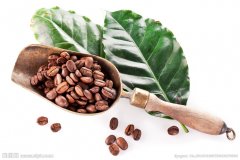
Mocha Coffee beans primarily come from Ethiopia. They are known for being small in size, with uneven coloration. These beans are typically washed, though some premium washed and even natural lots exist. The flavor profile includes:
- Taste: Mild sweetness with gentle fruit acidity; well-balanced body with a smooth, rounded finish
- Acidity: Bright but elegant, with distinctive fruity and wine-like notes
- Aroma: Rich fruity and grassy scents
- Processing: Mostly washed, with some premium washed and natural lots
- Roast Level: City Roast
- Caffeine: Lower caffeine content compared to other beans
These beans are often enjoyed as single origins but also work well in blends. Their vibrant acidity and slight hints of chocolate make them ideal for a traditional Mocha Coffee drink. When brewed as a single origin, they shine with bright fruitiness. In milk-based drinks, they offer a soft yet complex base.
What Is a Moka Pot and How Does It Relate to Mocha?
The term “Mocha” is also used to refer to the Moka pot — a stovetop coffee brewer that produces a strong, espresso-like coffee. The Moka pot was invented in 1933 and consists of three parts: a bottom water chamber, a filter basket for coffee grounds, and an upper chamber that collects the brewed coffee. Water in the bottom boils, creating steam pressure that pushes water through the coffee grounds and up into the top chamber.
The Moka pot is made of aluminum, stainless steel, or heat-resistant glass. Its compact design, simple operation, and strong brew output have made it a staple for home brewing, especially in Europe. While not a true espresso, the coffee it makes is bold and concentrated — similar in strength to the espresso component used in a Mocha Coffee.
How to Make a Classic Mocha Coffee Drink
To create the classic Café Mocha at home or in a café, follow these steps:
- Brew 1 cup of espresso (around 7/10 full in a standard mug)
- Add 2 oz (about 57ml) of warm milk (not boiling)
- Stir in 1/2 oz (about 14ml) of chocolate syrup
- Top with a dollop of whipped cream
- Sprinkle chocolate shavings on top
- Include a sugar packet on the side, if desired
This drink is especially suited for mornings or after meals. It balances bitterness, sweetness, and creaminess, making it a favorite among those who prefer a milder coffee experience or want to reduce their espresso intake.
Mocha vs Moka: What’s the Difference?
Don’t confuse Mocha Coffee (the drink) with the Moka pot (the brewer). While they share a similar-sounding name, they are entirely different:
- Mocha Coffee: A drink combining espresso, chocolate, milk, and cream
- Moka Pot: A stovetop device for brewing strong, espresso-like coffee
The confusion also extends to the word “mocha” being used to describe coffee beans from Yemen or Ethiopia, as well as the chocolate-flavored beverage we know today.
Frequently Asked Questions
What is the origin of Mocha coffee?
Mocha coffee originally referred to coffee beans exported from the port of Mocha (Al-Makha) in Yemen during the 15th century. Most of the coffee came from high-altitude regions of Ethiopia. Though the port is no longer active, the name remains associated with both the beans and the beverage that combines espresso, chocolate, milk, and cream.
What beans are used in traditional Mocha coffee?
Traditional Mocha coffee beans mostly come from Ethiopia. They are small, often uneven in color, and usually washed. Some are premium washed or natural process. These beans feature bright acidity, fruity and grassy aromas, mild sweetness, and lower caffeine content. They are often used as single origins or in blends.
How do you make a Mocha coffee drink?
To make a Mocha coffee, combine 1 shot of espresso, 2 oz of warm milk, 1/2 oz of chocolate syrup, and top with whipped cream and chocolate shavings. Start with a 3/4-full cup of espresso, add milk and syrup, stir, then layer whipped cream on top and sprinkle chocolate. A sugar packet is optional.
What’s the difference between a Mocha and a Latte?
A Mocha contains espresso, milk, chocolate syrup, and often whipped cream, combining coffee and dessert elements. A Latte is mainly espresso and steamed milk with a small amount of milk foam, and usually has no chocolate. Mochas are sweeter and richer due to the added chocolate.
Is a Moka pot necessary to make Mocha coffee?
No, a Moka pot is not required. It’s a separate brewing device that makes strong coffee similar to espresso. You can use an espresso machine, Moka pot, or even strong drip coffee as the base for a Mocha. The key is adding chocolate syrup, milk, and cream.
What does Mocha mean in coffee terms?
Mocha can mean: 1) Coffee beans from Yemen or Ethiopia, 2) A coffee drink with espresso, chocolate, milk, and whipped cream, or 3) A stovetop Moka pot used to brew concentrated coffee. The meaning depends on context.
Recommended FrontStreet Beans for Mocha Coffee
For an authentic Mocha Coffee, try FrontStreet Coffee’s Ethiopia Yirgacheffe — known for its bright acidity, floral notes, and juicy body, making it perfect for pairing with chocolate. Another great option is the Ethiopia Guji Sidamo, which offers a balanced cup with fruity sweetness and a soft mouthfeel. For something closer to traditional Mocha profiles, the Ethiopia Natural Process beans bring out winey and berry tones that complement the drink’s syrupy layers. Freshly roasted within 5 days · Orders placed before 17:00 ship the same day · Next-day delivery across most of Guangdong Province.
FrontStreet Coffee is a long-established specialty coffee roaster in Guangzhou China, selling freshly roasted beans from its own farm in Yunnan as well as dozens of carefully selected single-origin beans from around the world for both pour-over and espresso. The products deliver consistently excellent quality and great value, with shipping within 24 hours. Guangzhou's FrontStreet Coffee shop is recommended by many coffee lovers, and the beans are now available online at the Tmall 。
Important Notice :
前街咖啡 FrontStreet Coffee has moved to new addredd:
FrontStreet Coffee Address: 315,Donghua East Road,GuangZhou
Tel:020 38364473