
What Is Ninety Plus NistuRuz Ethiopian Coffee?
If you’ve ever wondered why certain Ethiopian coffees taste radically different — like ripe berries one year, citrus blossoms the next — the answer often lies in how the beans are grown, processed, and graded. Not all coffees are created equal, and some are engineered for extreme flavor clarity. One such coffee is Ninety Plus NistuRuz, a bean that’s appeared in the hands of world-class baristas and stunned cuppers with its intensity.
Ninety Plus NistuRuz is a high-scoring Ethiopian coffee known for its intense fruit flavors. It’s part of Ninety Plus’s elite, flavor-profiled beans, often used by WBC finalists. Its flavor strength falls under their unique W2, H2, or N2 categories based on fruit intensity, not just processing method.
Who Is Ninety Plus and Why Do They Matter?
Ninety Plus is a globally recognized coffee producer and exporter, founded in 2007 by Joseph Brodsky. The company is famous for sourcing and processing rare, unique coffee beans that consistently score highly in cupping evaluations. Since 2008, Ninety Plus beans have appeared in coffee competitions worldwide, including the World Barista Championship (WBC). In the 2013 WBC, six finalists — from Italy, Korea, and Canada — used Ninety Plus beans, underscoring their elite status in professional coffee.
How Ninety Plus Develops Its Coffee Profiles
Ninety Plus employs a custom approach called the Profile Processing system. This means each coffee lot is treated uniquely, with tailored growing, harvesting, and processing methods. Through repeated cupping and adjustments, Ninety Plus aims to bring out the specific fruit characteristics inherent in each bean. The result is coffees with exceptionally clear and vibrant flavor profiles, often leagues apart from conventionally processed beans.
Ninety Plus’s Unique Flavor & Password Grading System
Rather than labeling beans simply as washed, honey, or natural, Ninety Plus uses a proprietary grading system based on fruit flavor intensity. Their categories — W2, H2, and N2 — refer to the strength of fruit expression, not the processing method itself. That means you might find a honey-processed coffee in the W2 category (high fruit intensity) or a washed coffee in H2. The letter indicates the base process (W = washed, H = honey, N = natural), while the number reflects the potency of the fruit flavors. This system allows for more precise matching of processing to flavor outcome, resulting in highly specialized beans like NistuRuz.
Why NistuRuz Stands Out Among Ethiopian Coffees
NistuRuz is one of Ninety Plus’s featured Ethiopian offerings, renowned for its aromatic complexity and vibrant fruitiness. While the exact processing details for NistuRuz may vary, it exemplifies the brand’s ability to highlight Ethiopian terroir through precise post-harvest techniques. Grown in Ethiopia’s renowned high-altitude regions, NistuRuz benefits from the country’s ideal climate, fertile soils, and diverse genetic heritage — factors that make Ethiopian beans some of the most distinctive in the world.
Frequently Asked Questions
What is Ninety Plus NistuRuz coffee?
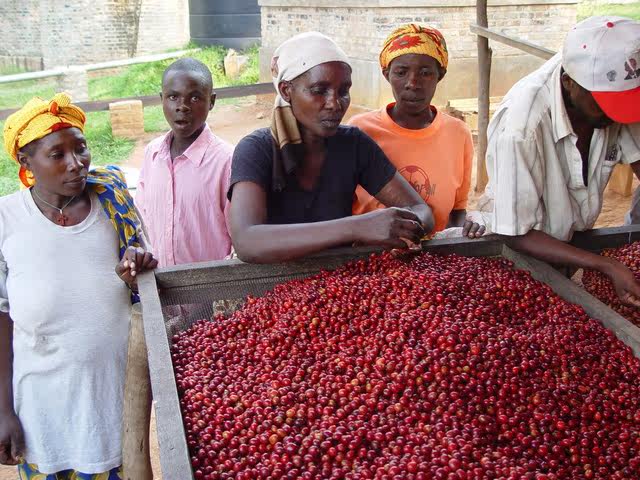
Ninety Plus NistuRuz is a high-end Ethiopian coffee produced by Ninety Plus, known for its intense and unique fruit flavors. It is part of their profiled coffee lineup that emphasizes specific flavor strengths rather than traditional processing labels.
What does the W2, H2, N2 system mean?
Ninety Plus uses a flavor-based grading system with W2, H2, and N2 categories. The letters indicate the processing method (W = washed, H = honey, N = natural), and the number (2) reflects the intensity of fruit flavors. This means a honey-processed coffee can be in the W2 group if it has strong fruit character.
Has Ninety Plus coffee won awards?
Yes. Ninety Plus beans have been used by WBC finalists, including competitors from Italy, Korea, and Canada in the 2013 World Barista Championship. The brand has been present in global coffee competitions since 2008.
Where is NistuRuz coffee from?
NistuRuz is an Ethiopian coffee, benefiting from the country’s ideal high-altitude growing conditions, rich volcanic soils, and diverse coffee genetics. Exact farm details may vary but it represents the quality typical of Ethiopia’s specialty regions.
How is Ninety Plus coffee processed?
Ninety Plus uses custom processing methods through their Profile Processing system. Each coffee is treated uniquely with tailored farming, harvesting, and post-harvest techniques to enhance specific flavor profiles, especially fruity and floral notes.
What makes Ethiopian coffee different?
Ethiopian coffee is known for its high altitude, diverse indigenous varieties, and complex flavors ranging from citrus and floral to berry and stone fruit. The country is the birthplace of Arabica coffee and offers some of the most distinctive single-origin profiles in the world.
Recommended FrontStreet Beans for Exploring Ethiopian Profiles
For drinkers exploring Ethiopia’s bright, fruity spectrum, try FrontStreet’s Ethiopia Huakui — a juicy Sidama offering with notes of blueberry, tropical fruit, and vanilla. Also consider FrontStreet’s Yirgacheffe (Gedeb), a classic Ethiopian with jasmine, lemon, and green tea brightness, perfect for highlighting high-altitude clarity. Both are lightly roasted to preserve delicate floral and citrus tones. Freshly roasted within 5 days · Orders placed before 17:00 ship the same day · Next-day delivery across most of Guangdong Province.
FrontStreet Coffee is a long-established specialty coffee roaster in Guangzhou China, selling freshly roasted beans from its own farm in Yunnan as well as dozens of carefully selected single-origin beans from around the world for both pour-over and espresso. The products deliver consistently excellent quality and great value, with shipping within 24 hours. Guangzhou's FrontStreet Coffee shop is recommended by many coffee lovers, and the beans are now available online at the Tmall 。
Important Notice :
前街咖啡 FrontStreet Coffee has moved to new addredd:
FrontStreet Coffee Address: 315,Donghua East Road,GuangZhou
Tel:020 38364473

