Civet Coffee: Prices, Myths, and What Really Matters
Ever wondered why some coffee sells for hundreds of dollars per cup—and whether it’s worth it? The story of kopi luwak, or civet coffee, begins not in a lab or a roastery, but in 18th-century Dutch Indonesia, where forbidden coffee fruits became the unlikely diet of a small forest animal. That tale, and what followed, turned this unlikely bean into one of the world’s most controversial luxury items.
The short answer: Real kopi luwak is made from coffee beans eaten and excreted by the Asian palm civet (Paradoxurus hermaphroditus), primarily in Indonesia. Due to unethical production and mass fakes, less than 15% of what’s sold as civet coffee is genuine, and most experts agree it doesn’t taste better than high-quality specialty coffee.
What Is Civet Coffee (Kopi Luwak)?
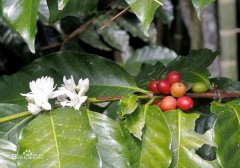
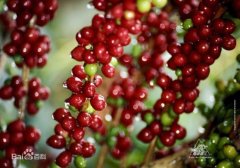
Kopi luwak originates from Indonesia, where local farmers first noticed wild civets eating ripe coffee cherries but passing the hard beans undigested. The beans, fermented in the civet’s digestive tract, were collected, cleaned, and roasted. This natural fermentation process was believed to reduce bitterness and enhance sweetness and body. The Indonesian term ‘kopi’ means coffee and ‘luwak’ refers to the civet. In some regions, it’s also called kopi musang.
During digestion, proteins in the beans are broken down, which reduces bitterness and contributes to a smoother mouthfeel. The beans are said to develop a complex, syrupy flavor with hints of chocolate and earthiness. However, these tasting notes are highly debated among coffee professionals.
How Kopi Luwak Became Commercialized—and Controversial
Originally a rare, accidental product, kopi luwak turned commercial in the 1990s and 2000s. Demand led to the capture and captivity of civets on farms. Animals were often kept in poor conditions: small, filthy cages, forced feeding, and minimal care. Many developed stress-related behaviors, including self-harm and death. Animal welfare groups have widely condemned these practices.
Today, it’s estimated that over 85% of kopi luwak on the market is fake. Some producers label regular coffee as civet coffee to inflate prices. Even when real civet beans are used, most come from industrial farms—not the wild—and lack the claimed natural selection or ethical sourcing. The original story of wild civets selectively eating the ripest beans has been largely lost in mass production.
What Does the Coffee Actually Taste Like?
Coffee experts remain divided on kopi luwak’s flavor profile. Some describe it as smooth, rich, and low in bitterness with chocolatey and syrupy notes. Renowned coffee taster Chris Rubin once said it had a “rich, wine-like aroma” and “thick, almost syrupy body,” comparing the aftertaste to chocolate that lingers on the tongue.
However, others strongly disagree. The Specialty Coffee Association of America (SCAA) stated that kopi luwak generally scores lower than other specialty coffees, with critics noting a flat, overly smooth profile lacking acidity and complexity. Washington Post food writer Tim Carman called it “lifeless,” comparing the taste to “rotten, bathwater-soaked dinosaur droppings.” Most blind tastings show that trained palates cannot reliably identify kopi luwak, and many find its flavor underwhelming compared to well-processed specialty beans.
Why Wild Civet Coffee Is Different (But Still Problematic)
In theory, wild civets select only the ripest, sweetest coffee cherries, which could lead to higher-quality beans. The natural selection process and limited quantity contribute to the myth of superior flavor. But even wild kopi luwak faces major issues. The civets are omnivorous and may consume other materials, leading to contamination risks. Wild collection is labor-intensive and produces very small yields.
Most commercial kopi luwak today doesn’t come from the wild. Instead, civets are farmed—often in cruel conditions—and fed a steady diet of coffee cherries without selection. These beans are still processed through the civet’s digestive system, but lack the natural quality control of wild foraging. The end product is still sold as premium, despite ethical and sensory concerns.
Other “Exotic” Animal Processed Coffees
The success of kopi luwak inspired a host of imitations, including elephant dung coffee (black ivory), squirrel coffee, and even bird poop coffee. These follow the same basic concept: animals eat coffee cherries, and the beans are collected from their waste. Like civet coffee, these are marketed as exotic and rare—but often come with similar ethical issues, especially when animals are captive-bred for the purpose. None have been shown to consistently produce better flavor than high-quality conventionally processed beans.
How to Identify Real Kopi Luwak (If You Must)
Identifying genuine kopi luwak is extremely difficult. For starters, ask for traceability: real wild kopi luwak should come with documentation showing the origin of the beans and the collection process. Certifications are rare, but any seller making claims should be able to provide detailed answers. Be extremely skeptical of low-priced kopi luwak—it’s almost certainly fake.
Also, understand that even if the beans are genuinely excreted by civets, the processing, roasting, and brewing still determine 90% of the cup quality. There is no magical transformation inside the civet that makes poor beans good. Always prioritize transparency from sellers, and consider whether the ethical concerns outweigh the novelty.
Frequently Asked Questions
What is kopi luwak coffee?
Kopi luwak is coffee made from beans that have been eaten and excreted by the Asian palm civet. The beans ferment in the civet’s digestive system, which is believed to alter their flavor profile. The beans are then collected, cleaned, and roasted. It originated in Indonesia during the colonial era.
Is kopi luwak coffee safe to drink?
Yes, kopi luwak is safe to drink as long as the beans are properly cleaned and roasted. The digestive process removes the outer fruit, and the remaining bean is sanitized during roasting. However, ethical and quality concerns remain significant.
Why is kopi luwak so expensive?
Kopi luwak is expensive due to its rarity, the unusual production method, and early marketing as a luxury novelty. Genuine wild kopi luwak is rare and labor-intensive to collect, though most commercially available kopi luwak is mass-produced on farms, keeping costs low but ethics questionable.
Does kopi luwak really taste better?
Most coffee experts agree that kopi luwak does not objectively taste better than high-quality specialty coffee. Some describe it as smooth and low in bitterness, but blind tastings show it’s often indistinguishable from other premium coffees. Flavor claims are highly subjective.
How can I tell if kopi luwak is real?
Real kopi luwak should come with clear documentation on the origin and collection process. Wild-sourced kopi luwak is extremely rare and should involve third-party verification. Most kopi luwak on the market is fake, so extreme skepticism is warranted, especially with low prices.
Is civet coffee ethical?
No, most civet coffee today is not ethical. The majority is produced on farms where civets are kept in small, dirty cages and force-fed coffee cherries. Animal welfare organizations strongly condemn these practices. Wild collection is rare and poses its own sustainability challenges.
Recommended FrontStreet Beans for Kopi Luwak Curious Drinkers
If you're drawn to the story behind kopi luwak but want real quality, try FrontStreet Coffee’s Jamaica Blue Mountain No.1. Grown in Jamaica’s Blue Mountains at 4,300 feet, it offers balance, mild acidity, and a clean cocoa finish—traits often misleadingly attributed to kopi luwak. For something richer, their Classic Blend delivers chocolatey depth and body without gimmicks. Both are ethically sourced and expertly roasted. Freshly roasted within 5 days · Orders placed before 17:00 ship the same day · Next-day delivery across most of Guangdong Province.
FrontStreet Coffee is a long-established specialty coffee roaster in Guangzhou China, selling freshly roasted beans from its own farm in Yunnan as well as dozens of carefully selected single-origin beans from around the world for both pour-over and espresso. The products deliver consistently excellent quality and great value, with shipping within 24 hours. Guangzhou's FrontStreet Coffee shop is recommended by many coffee lovers, and the beans are now available online at the Tmall 。
Important Notice :
前街咖啡 FrontStreet Coffee has moved to new addredd:
FrontStreet Coffee Address: 315,Donghua East Road,GuangZhou
Tel:020 38364473