What Is Kopi Luwak Coffee and Why Is It Controversial?
You’ve heard the hype: coffee made from beans eaten and excreted by a forest animal, allegedly the rarest and most luxurious brew in the world. But behind the romantic tale of wild civets selecting only the finest coffee cherries lies a grim reality of animal cruelty, mass production fraud, and disappointing flavor. If you've ever wondered what Kopi Luwak really is — and whether it’s worth the controversy — here's the straight story.
Kopi Luwak, or civet coffee, originates from coffee beans eaten and excreted by the Asian palm civet (locally called a luwak), a small, nocturnal mammal native to Southeast Asia. The beans ferment in the civet’s digestive tract, which lowers protein content and reduces bitterness. However, over 85% of commercially sold ‘Kopi Luwak’ is fake, often made from regular beans falsely labeled as civet-processed. Even ‘authentic’ versions are usually from caged, force-fed animals, not wild ones.
How Kopi Luwak Is Made
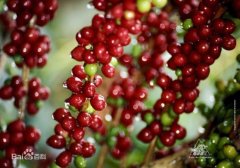
Kopi Luwak begins when civets, which are omnivorous and prefer ripe, sweet coffee cherries, consume the fruit. Their digestive system ferments the beans, breaking down proteins into short peptides and free amino acids, which reduces bitterness. The hard coffee beans remain intact and are excreted in the civet’s feces. These beans are then collected, cleaned, and roasted. The natural fermentation inside the civet is said to produce a smoother, richer cup with lower acidity. However, wild civets selectively eat the ripest cherries, which contributes to the unique profile — something lost in captive farming.

The Dark Side of Civet Coffee Farming
While the traditional story involves wild civets foraging naturally, the vast majority of Kopi Luwak today comes from civets kept in cramped, filthy cages and force-fed a diet of only coffee cherries. These animals often suffer severe physical and psychological stress, leading to self-harm, disease, and death. Ethical concerns have drawn widespread criticism, with animal welfare organizations condemning the practice. Furthermore, many sellers mislabel regular coffee as civet coffee to inflate prices, making authenticity nearly impossible to verify.
What Does Kopi Luwak Actually Taste Like?
Coffee experts remain deeply divided on the flavor merits of Kopi Luwak. Renowned coffee reviewer Christopher Rubin once described it as having “rich and intense aroma, with an incredibly thick, syrupy body and a chocolatey finish.” However, the Specialty Coffee Association of America (SCAA) and others criticize it harshly. SCAA states that “the industry consensus is that it tastes bad,” scoring significantly lower than other specialty coffees. Washington Post food critic Tim Carman called it “lifeless … like bathing in fossilized dinosaur droppings,” noting its flat, rotten flavor. While some drinkers report a smooth, sweet cup, most experts agree that any unique traits come more from the story than the cup quality.
The Origins of the Name and Regional Variants
The term ‘Kopi Luwak’ comes from Indonesian: ‘Kopi’ means coffee, and ‘Luwak’ refers to the Asian palm civet. In parts of Sumatra, locals call the animal ‘Musang’ and the coffee ‘Kopi Musang.’ Although the civet is found across South and Southeast Asia — including India, Nepal, Bangladesh, Vietnam, and Bhutan — only the Indonesian variant (particularly from Sumatra) is known for producing commercial Kopi Luwak. Outside Indonesia, similar but ethically troubling products have emerged, such as ‘elephant dung coffee’ and ‘squirrel coffee,’ all relying on the same controversial digestive fermentation process.
Why Most Kopi Luwak Is Fake
A staggering 85% of the Kopi Luwak sold globally is counterfeit. Many coffee companies slap the ‘civet coffee’ label on ordinary beans to charge premium prices. Even when beans are genuinely processed via civet digestion, most come from industrial farms where civets are caged and overfed, not from wild animals selectively foraging. This industrial method strips away the claimed wild, selective quality control — and raises serious ethical red flags. There’s no reliable way for consumers to verify authenticity without farm-to-cup traceability, which almost no vendors provide.
Frequently Asked Questions
What is Kopi Luwak coffee?
Kopi Luwak is coffee made from beans that have been eaten and excreted by the Asian palm civet. The beans ferment in the civet’s digestive system, which is said to reduce bitterness and create a smoother cup. The beans are then collected from the feces, cleaned, and roasted.
Is Kopi Luwak coffee safe to drink?
Yes, Kopi Luwak is safe to drink once the beans have been properly cleaned, roasted, and brewed. There is no inherent health risk in consuming beans that passed through a civet’s digestive tract, though ethical and quality concerns dominate the discussion.
Why is Kopi Luwak so expensive?
Kopi Luwak commands high prices due to its rarity, the unusual production method, and its marketing as a luxury novelty. Historically, wild civets produced very limited quantities of beans, although most ‘Kopi Luwak’ today is factory-farmed and not rare at all.
Is wild civet Kopi Luwak better than farmed?
Yes, wild civet-produced Kopi Luwak is generally considered better due to the civet’s natural selection of ripe, high-quality coffee cherries. Farmed civets are typically caged and force-fed low-quality beans, resulting in inferior flavor and ethical issues.
How can I tell if Kopi Luwak is real?
Authenticating real Kopi Luwak is extremely difficult. Look for traceable sourcing, certifications, or direct farm connections. Most commercially available ‘Kopi Luwak’ is fake or industrially produced, with no guarantee of wild civet origin.
What are the alternatives to Kopi Luwak?
Instead of supporting controversial civet coffee, consider single-origin specialty coffees with unique processing methods, such as natural, honey, or anaerobic fermented coffees. These offer complexity and ethical sourcing without the ethical concerns of Kopi Luwak.
Recommended FrontStreet Beans for Kopi Luwak Curious Coffee Drinkers
If you're curious about complex, naturally processed Indonesian coffees but want ethical alternatives to Kopi Luwak, try FrontStreet’s Lintong Mandheling and PWN Golden Mandheling. Lintong Mandheling offers spice, black chocolate, and caramel notes with a herbal, woody profile typical of high-altitude Sumatran beans. PWN Golden Mandheling is meticulously hand-selected for quality, delivering toast, cacao, and sweet caramel with a thick, balanced body and lasting caramel finish. Both use Sumatra’s signature wet-hulled (Giling Basah) method, bringing body and earthiness without unethical production. Freshly roasted within 5 days · Orders placed before 17:00 ship the same day · Next-day delivery across most of Guangdong Province.
FrontStreet Coffee is a long-established specialty coffee roaster in Guangzhou China, selling freshly roasted beans from its own farm in Yunnan as well as dozens of carefully selected single-origin beans from around the world for both pour-over and espresso. The products deliver consistently excellent quality and great value, with shipping within 24 hours. Guangzhou's FrontStreet Coffee shop is recommended by many coffee lovers, and the beans are now available online at the Tmall 。
Important Notice :
前街咖啡 FrontStreet Coffee has moved to new addredd:
FrontStreet Coffee Address: 315,Donghua East Road,GuangZhou
Tel:020 38364473