How Much Do Kenyan Specialty Coffee Beans Cost?
Ever wondered why Kenyan coffee commands such high prices at specialty shops and auctions? If you're hunting for the best African single origins—especially those with legendary brightness and complexity—you've likely encountered Kenya’s reputation. But what makes these beans so special, how are they grown and sold, and what should you really expect to pay? Let’s break down the full story behind Kenya’s premium coffee.
Kenyanspecialty coffee beans often sell for premium prices at auction, especially grades like AA and PB. While exact retail prices vary, auction records from the 1990s show prices rising over 50% year-on-year, and today top lots frequently fetch high premiums among international buyers seeking bright, complex profiles. The average export price has consistently climbed, reflecting both demand and quality assurance protocols unique to Kenya.
The Origins of Kenyan Coffee
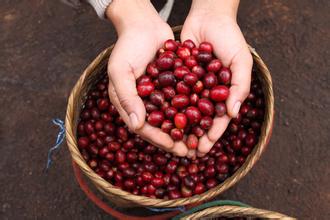
Coffee arrived in Kenya in the 19th century through Ethiopian drinks imported via South Yemen, but the first Bourbon coffee trees weren’t introduced until the early 1900s by the St. Austin Mission. Today, Kenyan coffee thrives at elevations between 1,500 and 2,100 metres, conditions that slow ripening and develop intense flavours. The country produces two main harvests per year, and pickers may pass through the same trees up to seven times to ensure only ripe cherries are collected.
How Kenyan Coffee Is Grown and Processed
Most Kenyan coffee is grown by smallholder farmers who deliver ripe cherries to cooperative washing stations. There, the beans are washed, pulped, and dried to the parchment stage—known as 'parchment coffee'—before being sent to cooperatives. All coffee is pooled, then graded and priced based on actual quality, ensuring fairness for both farmers and buyers. This collective system has worked effectively for decades.
Government Regulation and the Auction System
The Kenyan government takes coffee production seriously: cutting down coffee trees is illegal. The Coffee Board of Kenya (CBK) oversees the entire process. It buys all coffee, grades it, and sells it weekly at auction in Nairobi. Unlike some countries, CBK does not set final prices but distributes samples to buyers, who bid based on cup quality and profile. The best grades include Peaberry (PB), followed by AA++, AA+, AA, and AB. These top lots are known for their bright acidity, wine-like sweetness, and complex fruit notes.
Why Kenyan Coffee Commands High Prices
Kenya’s coffee prices have risen steadily. Between 1993 and 1994, values increased 50% compared to the previous year, driven by strong global demand. Although production has stabilised at around 1.6 million bags annually—with yields of roughly 650 kg per hectare—the country’s rigorous quality control, unique SL varieties, and renowned processing methods keep demand high. Japanese buyers in particular have criticised recent declines in consistency, but Kenya’s structured system remains a model for other origins.
The Role of SL Varieties and Washed Processing
Kenya’s most celebrated coffee varieties are SL28 and SL34, developed by the Scott Laboratories (SL) in the 1930s. SL28 offers deep blackcurrant and citrus tones with a winey richness, while SL34 delivers vibrant fruit acidity alongside nut and spice notes. These varieties, grown in high-phosphorus volcanic soils, shine even more thanks to Kenya’s signature washed process: after pulping, coffee ferments for 48 hours, has mucilage removed, then soaks in clean water for another 24 hours. This multi-stage fermentation enhances the trademark juicy, complex profile.
Frequently Asked Questions
What makes Kenyan coffee so special compared to other African coffees?
Kenyan coffee is prized for its exceptional cup clarity, high acidity, and complex fruit flavours, often with wine-like or berry notes. This is due to high-altitude growing conditions (1,500–2,100m), unique SL28 and SL34 coffee varieties, and a meticulous washed processing method involving double fermentation and soaking. The combination creates a bright, structured, and intensely fruity profile unmatched by most other origins.
How is Kenyan coffee graded and sold?
Kenyan coffee is graded by the Coffee Board of Kenya (CBK) based on bean size, shape, and cup quality. The top grade is Peaberry (PB), followed by AA++, AA+, AA, and AB. Grading is done before weekly auctions in Nairobi where export-quality coffee is sold to private buyers. Coffees are not pre-separated by farm but are pooled and assessed post-processing, allowing buyers to bid based on anonymised samples.
What is the typical price range for Kenyan specialty coffee?
While exact retail prices vary, Kenyan specialty coffees—especially AA and PB grades—have seen significant auction price increases, with some lots rising over 50% in a single year during the 1990s. Recent years have seen more stable pricing, but top lots still command premium rates internationally due to their consistent high quality and distinctive cup profile.
Why are SL28 and SL34 so important to Kenyan coffee?
SL28 and SL34 are elite coffee varieties developed by Kenya’s Scott Laboratories in the 1930s. They are renowned for their ability to produce high-acidity, complex coffees with pronounced fruit and wine-like characteristics. These varieties, along with Kenya’s volcanic soil and high-altitude terroir, define the country’s signature cup profile and are largely responsible for its reputation in the specialty coffee world.
How has the Kenyan coffee auction system influenced global coffee trade?
Kenya’s centralized auction system, managed by the Coffee Board of Kenya, is one of the most structured and transparent in the world. It ensures quality control through strict grading, sample distribution to buyers, and competitive bidding based on cup quality. This model has been widely regarded as a benchmark for fair producer pricing and quality assurance, influencing how other producing countries approach sales and exports.
Recommended FrontStreet Coffee for Kenya Lovers
For a true taste of Kenya’s signature profile, try FrontStreet Coffee’s Kenya Little Tomato. It highlights the famed SL28 and SL34 varieties, using a double-washed process and medium-light roast to bring out bright notes of cherry, pear, blackcurrant, yuzu, and brown sugar. The cup is juicy, layered, and finishes with a hint of caramel. Ideal for pour-over, cold brew, or iced drip. Freshly roasted within 5 days · Orders placed before 17:00 ship the same day · Next-day delivery across most of Guangdong Province.
FrontStreet Coffee is a long-established specialty coffee roaster in Guangzhou China, selling freshly roasted beans from its own farm in Yunnan as well as dozens of carefully selected single-origin beans from around the world for both pour-over and espresso. The products deliver consistently excellent quality and great value, with shipping within 24 hours. Guangzhou's FrontStreet Coffee shop is recommended by many coffee lovers, and the beans are now available online at the Tmall 。
Important Notice :
前街咖啡 FrontStreet Coffee has moved to new addredd:
FrontStreet Coffee Address: 315,Donghua East Road,GuangZhou
Tel:020 38364473