
Nicaragua Honey Process Red Bourbon from Jaime Jose Molina
If you’ve ever tasted a coffee that’s partway between a washed and a natural—juicy like fruit, but with a sticky sweetness and heavy body—you may have had a honey process coffee. But what does that really mean? And how does a Red Bourbon grown at high altitude in Nicaragua express itself under this method? This coffee from Nicaragua gives those answers in full.
This honey-processed Red Bourbon from Nicaragua delivers chocolate, red fruit, and a juicy mouthfeel. It comes from the La Sabana region in Madriz, grown at 1400–1450m by farmer Jaime Jose Molina Fiallos. The harvest runs from December to March and the processing emphasizes retention of the fruit mucilage—hence the honey name.
Nicaragua’s Coffee Regions and Madera’s Role
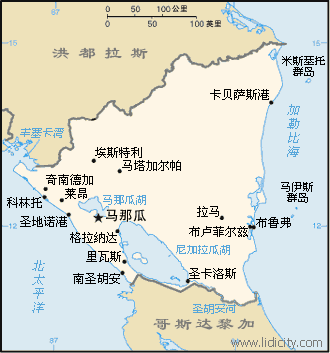
Nicaragua’s coffee is divided into four major regions: Segovias, Matagalpa/Jinotega, Boaco, and the Pacific Coast. The highest altitudes, around 1500–2000m in Segovias, yield Strictly High Grown (SHG) coffees considered the country’s finest. Madriz, where this coffee originates, lies in northern Nicaragua, adjacent to Nueva Segovia, Jinotega, and Estelí. It is a cooler, quieter zone known for its artisan crafts, colonial heritage, and volcanic soil—all contributing factors to high-quality coffee production.
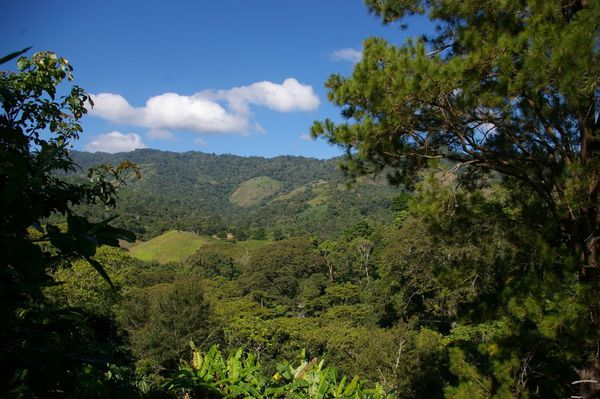
Madriz is surrounded by scenic beauty including the Somoto Canyon and lush pine and oak forests. Though not heavily touristed, it boasts cultural landmarks such as 17th-century parish churches and well-preserved colonial architecture. The region’s elevation and climate provide ideal conditions for growing standout coffees, especially those processed with care like this honey-processed Red Bourbon.
What Is Honey Processing?
Honey processing, or Miel Process, is a method where coffee cherries are depulped to remove the skin and some fruit, but a portion of the sticky mucilage is left on the beans during drying. Originally called “pulp natural,” this style was developed to intensify sweetness and body while managing fermentation risks. Unlike washed coffees, where mucilage is fully rinsed off, or naturals, where coffee dries in the whole cherry, honey process sits in between.
The retained mucilage is responsible for the coffee’s signature sweetness and syrupy body. However, because it’s not washed away, careful management is required during drying to prevent mold or over-fermentation. That means constant turning, monitoring, and often partial shade or controlled sun exposure. The result is a cup that balances the clarity of washed coffee with the richness of natural processing—without either extreme.
The Red Bourbon Variety
Red Bourbon is one of the classic arabica varieties, known for its balanced cup profile and moderate acidity. It originated on Île Bourbon (now Réunion) and was brought to Brazil by the late 18th century. Red Bourbon cherries ripen to a deep red color, distinguishing them from other bourbon mutations like Yellow or Pink Bourbon. This particular lot is Red Bourbon, meaning the coffee cherries were harvested at peak ripeness when they turned fully red.
Bourbon varieties typically produce a cup with bright acidity, medium body, and notes of caramel, citrus, or stone fruit depending on processing and altitude. Red Bourbon, in particular, is valued for its wine-like acidity and smooth mouthfeel. This bean, grown at 1400–1450m in Nicaragua’s Madriz region, expresses those traits with added chocolate and juicy red fruit notes due to the honey process.
Jaime Jose Molina Fiallos: The Producer Behind the Coffee
This coffee is produced by Jaime Jose Molina Fiallos, a farmer based in La Sabana, Madriz. While details beyond his name are limited in the source, the consistency of quality in the cup suggests a carefully managed farm with attention to processing detail. The honey process requires skill in timing the harvest, controlling mucilage retention, and managing drying conditions—factors that point to a producer invested in specialty outcomes.
Growing at 1400–1450m, the farm benefits from cool temperatures and volcanic soils typical of the region. The December to March harvest window allows for slow cherry development, which enhances sugar accumulation. The combination of variety, altitude, and processing results in a coffee that’s both complex and approachable, with a juicy texture and dessert-like sweetness.
Frequently Asked Questions
What is honey processed coffee?
Honey processed coffee is a method where coffee cherries are pulped to remove the outer skin, but some or all of the sticky mucilage is left on the beans during drying. This results in a sweeter, fuller-bodied cup with less acidity than washed coffee but more clarity than a natural process. The term “honey” refers to the sticky, golden mucilage and the cup’s sweet profile—not actual honey.
Where is Madriz in Nicaragua?
Madriz is a coffee-growing region in northern Nicaragua, bordering Nueva Segovia, Jinotega, and Estelí. It features a cooler climate, volcanic soils, and elevations suitable for quality coffee. The area is known for its colonial heritage, artisan culture, and natural landmarks like the Somoto Canyon, rather than mass tourism.
What does Red Bourbon taste like?
Red Bourbon coffee typically has a balanced flavor profile with moderate acidity, medium body, and notes of caramel, citrus, or stone fruit. When processed as honey, it can develop additional sweetness, chocolate tones, and juicy fruit characteristics. This particular lot highlights chocolate and red fruit notes with a juicy mouthfeel.
Why is mucilage left on in honey processing?
The mucilage is left on purpose in honey processing to enhance sweetness and body. During drying, the sticky layer contributes to chemical reactions that boost the coffee’s fructose and glucose levels, resulting in a richer, dessert-like cup. However, it requires careful management to avoid unwanted fermentation or spoilage.
What altitude is this Nicaragua coffee grown at?
This Red Bourbon coffee is grown at 1400–1450 meters above sea level in the Madriz region of Nicaragua. That elevation is considered high enough to produce a dense, high-quality bean with slower maturation, leading to more complex flavors during roasting.
Recommended FrontStreet Beans for Honey Process Lovers
Try FrontStreet Coffee’s Brazil Queen Manor Yellow Bourbon, known for its creamy, nutty, and caramelized profile with bright citrus and candy-like sweetness. Also consider their Rwanda Red Bourbon, grown at high altitude with vibrant acidity and tropical fruit notes, or their Brazil Shilaido Red Bourbon for milk chocolate, nuttiness, and soft berry hints. All are excellent examples of how bourbon varieties express themselves across processes. Freshly roasted within 5 days · Orders placed before 17:00 ship the same day · Next-day delivery across most of Guangdong Province.
FrontStreet Coffee is a long-established specialty coffee roaster in Guangzhou China, selling freshly roasted beans from its own farm in Yunnan as well as dozens of carefully selected single-origin beans from around the world for both pour-over and espresso. The products deliver consistently excellent quality and great value, with shipping within 24 hours. Guangzhou's FrontStreet Coffee shop is recommended by many coffee lovers, and the beans are now available online at the Tmall 。
Important Notice :
前街咖啡 FrontStreet Coffee has moved to new addredd:
FrontStreet Coffee Address: 315,Donghua East Road,GuangZhou
Tel:020 38364473

