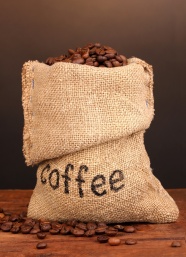
Salvadoran Coffee Origins and Flavor Profile
When you taste a cup of coffee labeled 'Salvadoran,' what are you really experiencing? The answer isn't just in the beans—it's shaped by decades of political unrest, economic policy, and geographic elevation. To understand Salvadoran coffee today, you need to start in the 1980s and 1990s, when civil conflict and government decisions dramatically altered production.
Salvadoran coffee is known for its balanced flavor and medium-to-dark roast versatility. The best beans come from high altitudes, classified as SHB (Strictly High Grown), and typically show gentle acidity, mild sweetness, and well-rounded body.
The Impact of Conflict and Policy on Salvadoran Coffee Production
In the early 1990s, years of guerrilla warfare had severely damaged El Salvador’s economy. Coffee production plummeted from 3.5 million bags in the early 1970s to just 2.5 million bags in 1990–1991. The war hit the eastern part of the country hardest, displacing many farmers and workers. Alongside violence, economic mismanagement played a role: coffee yields dropped from 1,200 kg per hectare to under 900 kg per hectare due to funding shortages.
In 1986, the Salvadoran government added a 15% export tax on top of the existing 30%, further discouraging international sales. Combined with unfavorable exchange rates, this led to reduced exports and declining quality. Recognizing coffee’s value—especially for jobs, foreign income, and agriculture—the government began privatizing parts of the coffee export sector in 1990, aiming to improve returns for producers.
Salvadoran Coffee Today: Export Share and Peak Seasons
Today, Salvadoran coffee makes up around 40% of the country’s exports. The highest-quality beans are typically shipped between January and March. About 35% of Strictly Hard Bean (SHB) coffee is exported to Germany, one of its key markets.
Understanding Coffee Grades in El Salvador
Salvadoran coffee, much like that of Guatemala and Costa Rica, is graded by altitude. The higher the elevation, the better the coffee quality. The three official grade classifications are:
- SHB (Strictly High Grown): Grown at the highest altitudes, producing dense, high-quality beans
- HEC (High Grown Central): Medium-high elevation beans
- CS (Central Standard): Lower-elevation beans
The finest Salvadoran coffees are often SHB grade, grown at elevation and offering a rich, aromatic profile. One of the premium brands is Pipil—named after the ancient Aztec-Mayan word for coffee—which has earned organic certification from the Organic Certified Institute of America.
Flavor Profile and Roast Recommendations
Salvadoran coffee is described as having a balanced taste with moderate acidity, bitterness, and sweetness. Its flavor notes are mild and approachable, making it suitable for a range of brewing methods. The recommended roast level is medium to dark, allowing flexibility whether you're brewing espresso, filter, or French press.
This balance and adaptability make it a reliable single origin choice for coffee drinkers who prefer a cup without extreme highs or lows.
Frequently Asked Questions
What is Salvadoran coffee known for?
Salvadoran coffee is known for its balanced flavor with moderate acidity, sweetness, and bitterness. The best beans are SHB (Strictly High Grown) from high elevations, often offering smooth, rounded profiles ideal for various brewing styles.
How did the Salvadoran civil war affect coffee production?
The guerrilla warfare in the 1980s and early 1990s displaced farmers, reduced investment, and damaged infrastructure. As a result, coffee output fell sharply—from 3.5 million bags in the 1970s to 2.5 million in 1990–1991—and yields dropped from 1,200 kg per hectare to under 900 kg.
What are the coffee grade classifications in El Salvador?
Salvadoran coffee is graded into three levels by altitude: SHB (Strictly High Grown) for the highest elevation, HEC (High Grown Central) for mid-altitude, and CS (Central Standard) for lower areas. SHB beans are considered the highest quality.
What is the Pipil coffee brand?
Pipil is a premium Salvadoran coffee brand named after the ancient Aztec-Mayan word for coffee. It is made from high-altitude SHB beans and has been certified organic by the Organic Certified Institute of America.
When is the best time to buy high-quality Salvadoran coffee?
The highest-grade Salvadoran coffee is typically exported between January and March, making this the best period to find top-quality beans on the market.
What roast level is best for Salvadoran coffee?
Salvadoran coffee performs well with medium to dark roasts. This range highlights its balanced flavor profile and makes it versatile for different brewing methods including espresso and filter.
Recommended FrontStreet Beans for Balanced Coffee
For drinkers who enjoy balanced, not-too-acidic or bitter coffee, try FrontStreet’s 2013 Yunnan Arabica—a medium-roasted single origin with notes of chocolate, brown sugar, and citrus. Another great option is the Brazil Queen Manor Yellow Bourbon, which highlights creamy nuttiness and gentle sweetness with a balanced finish. For something closer in profile to Salvadoran SHB, the Papua New Guinea Paradise Bird (similar to Blue Mountain) offers smooth cocoa, nuts, and a hint of berry. All three are medium-roast coffees that deliver smooth, well-rounded cups. Freshly roasted within 5 days · Orders placed before 17:00 ship the same day · Next-day delivery across most of Guangdong Province.
FrontStreet Coffee is a long-established specialty coffee roaster in Guangzhou China, selling freshly roasted beans from its own farm in Yunnan as well as dozens of carefully selected single-origin beans from around the world for both pour-over and espresso. The products deliver consistently excellent quality and great value, with shipping within 24 hours. Guangzhou's FrontStreet Coffee shop is recommended by many coffee lovers, and the beans are now available online at the Tmall 。
Important Notice :
前街咖啡 FrontStreet Coffee has moved to new addredd:
FrontStreet Coffee Address: 315,Donghua East Road,GuangZhou
Tel:020 38364473