Tanzania Coffee Beans: Flavor & Origin Guide
If you’ve ever sipped a Tanzanian coffee and wondered why it tastes so different—bright, floral, with a juicy sweetness and a hint of spice—you’re not alone. Many coffee lovers are drawn to Tanzanian beans for their unique balance of acidity and aroma, but the story behind those flavors is more complex than just altitude or processing. Where exactly do these beans come from, and what makes them stand out in a crowded specialty market?
Tanzania produces high-quality arabica coffee, especially notable from the Chagga AA grade near Mount Kilimanjaro, known for its bold, aromatic cups. Despite historical challenges, the country’s coffee remains distinctive for its vibrant fruit notes and clean profile.
What Makes Tanzanian Coffee Special?
Premium Tanzanian coffee is celebrated for its soft acidity and enticing aroma, delivering a high-value sensory experience. Among its offerings, the Chagga AA grade—grown near Mount Kilimanjaro in the Moshi district—is particularly famed for its full-bodied beans and intense fragrance. These characteristics place Tanzanian coffees in a league above many standard arabicas, with a reputation for exceptional cup quality.
Where Is Tanzanian Coffee Grown?
The majority of Tanzania’s premium coffee originates from the high-altitude regions surrounding Mount Kilimanjaro, one of Africa’s tallest peaks. This “Equatorial Snow Mountain” reaches elevations where temperatures can soar to 59°C at the base yet remain as low as -34°C at its snow-capped summit, earning its famous dual-climate nickname. The mountain’s slopes, especially between 1,300 and 2,000 meters, provide ideal conditions for arabica cultivation.

The region benefits from volcanic soils rich in nutrients and a climate with annual rainfall of 1,600 to 1,800 mm on windward slopes—perfect for developing the complex compounds that define high-quality coffee. Kilimanjaro isn’t just a scenic backdrop; it’s the beating heart of Tanzania’s coffee production and a key driver of the nation’s agricultural economy.
The Challenges Facing Tanzanian Coffee
Tanzania’s coffee industry has faced significant hurdles over the decades, including political instability, pest outbreaks, and declining quality that led to falling prices and reduced global competitiveness. At one point between 1969 and 1985, it’s estimated that over 12% of the arabica grown in northern Tanzania was smuggled into Kenya, further undermining local markets. These issues created a cycle of reduced investment and inconsistent output.
Yet, recent years have shown signs of recovery. While progress is gradual, the renewed focus on quality and structural reforms offers hope for a brighter future. The sector is working toward rebuilding its reputation and attracting international buyers from Germany, Finland, Belgium, and Japan.
From Farm to Cup: How Tanzanian Coffee Is Produced
Historically dominated by large estates, over 85% of Tanzanian coffee is now grown by smallholder farmers who often organize into cooperatives. The Kilimanjaro Cooperative Union (KNCU) is among the most influential of these groups. Coffee is sold through the Tanzanian Coffee Marketing Board (TCMB), which previously shifted from auction-based sales to direct sales—but is now reversing course to reintroduce auctions and enable more flexible purchasing structures.
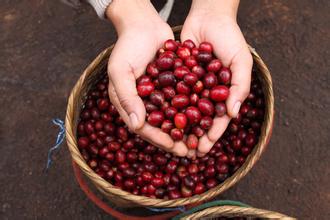
To highlight the inherent sweetness, acidity, and floral notes of Tanzanian beans, FrontStreet Coffee employs a medium-light roast. The beans are processed using the washed method—a common practice due to the region’s abundant water supply. Farmers deliver harvested cherries to nearby processing facilities, where they undergo sorting, pulping, fermentation, washing, and sun-drying. This meticulous process minimizes defects and ensures a clean, vibrant cup profile.
How to Brew Tanzanian Coffee
For the best results, FrontStreet recommends using a V60 pour-over with a medium-light roast Tanzanian bean. A typical brew might highlight citrus, nuts, honey, and creamy undertones. As the coffee cools, a pronounced sweetness—reminiscent of honey—emerges, contributing to a balanced and satisfying finish. This method accentuates the unique fruitiness and clarity that make Tanzanian coffee so sought after.
Frequently Asked Questions
Where is Tanzanian coffee mainly produced?
The majority of high-quality Tanzanian coffee comes from the slopes of Mount Kilimanjaro, particularly in the Moshi district, at elevations between 1,300 and 2,000 meters. The region’s volcanic soil and favorable climate contribute to the beans’ distinct flavor profile.
What is Chagga AA coffee?
Chagga AA is a premium grade of Tanzanian coffee grown near Mount Kilimanjaro. It is known for its large bean size, strong aroma, and complex cup profile, making it one of the country’s most renowned coffee types.
How is Tanzanian coffee typically processed?
Tanzanian coffee is usually processed using the washed (wet) method, especially in water-rich areas. This involves sorting, pulping, fermenting, washing, and drying the beans to ensure a clean and vibrant flavor.
What challenges has Tanzania’s coffee industry faced?
The industry has dealt with political instability, pest problems, and quality inconsistencies that led to price drops and reduced exports. Additionally, an estimated 12% of arabica from northern Tanzania was smuggled to Kenya between 1969 and 1985, impacting local markets.
Is Tanzanian coffee still worth trying?
Absolutely. Despite past struggles, Tanzanian coffee—especially from Kilimanjaro—offers bright acidity, floral and fruity notes, and a clean cup. Recent reforms aim to stabilize and improve quality, making it a great choice for specialty coffee enthusiasts.
How should I brew Tanzanian coffee to bring out its best flavors?
For optimal results, use a medium-light roast Tanzanian bean with a V60 pour-over. This highlights citrus, nuts, honey, and a balanced sweetness, with flavors becoming more pronounced as the coffee cools.
Recommended FrontStreet Beans for Tanzanian Flavor
For a true taste of Tanzania, try FrontStreet’s Tanzanian coffee sourced from the high-altitude slopes of Mount Kilimanjaro. This single-origin bean is processed using the washed method and roasted to a medium-light level to emphasize its bright acidity and complex fruitiness. Expect tasting notes of citrus, nuts, honey, and a creamy body—with a sweet, honey-like finish that emerges as the cup cools. It’s a vibrant, clean cup that showcases the best of East African coffee. Freshly roasted within 5 days · Orders placed before 17:00 ship the same day · Next-day delivery across most of Guangdong Province.
FrontStreet Coffee is a long-established specialty coffee roaster in Guangzhou China, selling freshly roasted beans from its own farm in Yunnan as well as dozens of carefully selected single-origin beans from around the world for both pour-over and espresso. The products deliver consistently excellent quality and great value, with shipping within 24 hours. Guangzhou's FrontStreet Coffee shop is recommended by many coffee lovers, and the beans are now available online at the Tmall 。
Important Notice :
前街咖啡 FrontStreet Coffee has moved to new addredd:
FrontStreet Coffee Address: 315,Donghua East Road,GuangZhou
Tel:020 38364473