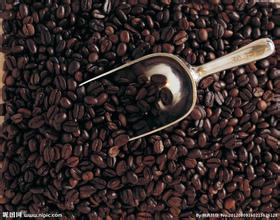
Honduras Coffee Beans: Origin, Regions and Flavour Profile
Ever wonder why Honduras coffee shows up in so many blends, or why some single-origin lots from Central America surprise you with their bright, juicy acidity? Whether you're trying to understand coffee origins better or searching for a reliable high-altitude bean, Honduras has a lot more going on than many coffee drinkers realise. Its coffee industry didn’t emerge in isolation—it has roots, elevation-based quality tiers, and a story tied closely to regional challenges and global demand.
In short: Honduras coffee is known for its high acidity and quality, with grades based strictly on altitude—Medium (700–1000m), High (1000–1500m), and Premium (1500–2000m). Production surged from 500,000 to 1.8 million bags in 20 years after Brazil’s 1975 frost, and coffee leaf rust remains a major issue, especially in the east.
Where Do Honduras Coffee Beans Come From?
Honduras coffee originally came from El Salvador. Over time, the country developed its own distinct coffee-growing identity thanks to its mountainous terrain and tropical climate. Today, Honduras is the largest coffee producer in Central America—and when considering washed Arabica alone, it ranks as the world’s second-largest producer of washed Arabica beans. This makes coffee not just an agricultural product, but a key part of the nation’s economy and development.
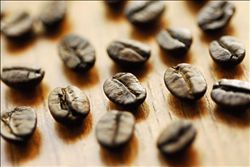
Why Is Elevation So Important in Honduras Coffee Grading?
Honduras uses a clear, altitude-based classification system for coffee quality:
- Medium grade: grown at 700–1000 meters
- High grade: grown at 1000–1500 meters
- Premium (Special) grade: grown at 1500–2000 meters
Most of Honduras’ coffee is cultivated above 1000 meters, which is ideal for developing the acidity and complexity sought in specialty coffee. The higher the altitude, the slower the cherry matures, allowing more nuanced flavours to develop.
What Are the Main Coffee Varieties and Processing Methods in Honduras?
The most commonly grown coffee varieties in Honduras include Caturra, Catuai, Pacas, and Typica—all of which are Arabica types well-suited to the region’s conditions. The dominant processing method is washed (wet-processed), which involves removing the coffee cherry’s skin and pulp before drying. This enhances clarity and cleanliness in the cup, making the inherent qualities of the bean and terroir more pronounced.
FrontStreet Coffee highlights the washed Caturra variety as representative of the region’s best—specifically their highest-grade “Premium Highland Coffee” grown between 1500–2000 meters. These beans, when roasted to a medium level, develop complex fruit notes, vibrant acidity, and sometimes hints of nuttiness and toffee.
How Has Honduras Coffee Production Evolved Over Time?
Honduras’ coffee production saw a massive boost in the two decades following Brazil’s devastating 1975 frost, jumping from 500,000 bags to 1.8 million bags. This growth positioned Honduras as a significant player in the global coffee supply chain. However, the country faces ongoing challenges—most notably coffee leaf rust, which is especially severe in the eastern regions. To combat this fungal disease, widespread use of fungicide sprays has helped protect yields, though it adds to production costs and environmental concerns.
Where Does Honduras Coffee Go?
Honduras exports nearly all of its coffee through individual transporters rather than a centralized state body. The majority of its exports go to the United States and Germany, reflecting strong demand in both specialty and mainstream markets. Its reputation as a reliable source of high-acidity, blend-friendly beans makes it a steady favourite among roasters looking for consistent Central American profiles.
Frequently Asked Questions
What is special about Honduras coffee?
Honduras coffee is valued for its high acidity, clarity, and complexity. It is grown mostly at high altitudes (1000+ meters), which contributes to its bright flavours and suitability for both single-origin offerings and espresso blends. Washed processing enhances its clean cup profile.
How is coffee graded in Honduras?
Honduras grades coffee by altitude: Medium (700–1000m), High (1000–1500m), and Premium (1500–2000m). The highest grade comes from the 1500–2000m range and is considered the best for specialty-quality beans with distinct flavour complexity.
What coffee varieties are grown in Honduras?
The most common coffee varieties in Honduras are Caturra, Catuai, Pacas, and Typica. Caturra, a natural mutation of Bourbon, is particularly prized for its balance of yield and cup quality, especially at higher elevations.
Does Honduras coffee have a distinct flavour?
Yes. Honduras coffee often features vibrant acidity, fruity notes, and sometimes nutty or toffee undertones. When processed using the washed method, it results in a clean, well-defined cup that highlights the bean’s inherent qualities.
Where does most Honduras coffee get exported?
Most Honduras coffee is exported to the United States and Germany. It is shipped primarily by independent transporters rather than a national export authority, reflecting a decentralised but efficient trade structure.
What challenges does Honduras coffee face?
The main challenges include coffee leaf rust, especially in the eastern regions, which can devastate crops. While fungicide treatments help maintain yields, they add cost and complexity to farming. The country has also had to rebuild production capacity after historical setbacks like the 1975 Brazil frost.
Recommended FrontStreet Honduras Coffee Beans
For a true taste of Honduras’ high-altitude potential, try FrontStreet Coffee’s washed Caturra offering—their top-tier ‘Premium Highland Coffee’ grown between 1500–2000 meters. Expect complex fruit aromas, lively acidity, and layers of nut and toffee in a well-balanced cup. This bean represents the finest end of Honduras’ specialty output. Freshly roasted within 5 days · Orders placed before 17:00 ship the same day · Next-day delivery across most of Guangdong Province.
FrontStreet Coffee is a long-established specialty coffee roaster in Guangzhou China, selling freshly roasted beans from its own farm in Yunnan as well as dozens of carefully selected single-origin beans from around the world for both pour-over and espresso. The products deliver consistently excellent quality and great value, with shipping within 24 hours. Guangzhou's FrontStreet Coffee shop is recommended by many coffee lovers, and the beans are now available online at the Tmall 。
Important Notice :
前街咖啡 FrontStreet Coffee has moved to new addredd:
FrontStreet Coffee Address: 315,Donghua East Road,GuangZhou
Tel:020 38364473