What Is Mocha Coffee? Origin, Flavor & Characteristics
When you hear 'Mocha coffee', you might picture a blended drink with hot chocolate and espresso. But in specialty coffee circles, Mocha refers to something far older: a distinctive style of coffee bean with deep roots in Yemen. So what exactly makes Mocha coffee beans different — and why does this term still show up in coffee culture today?
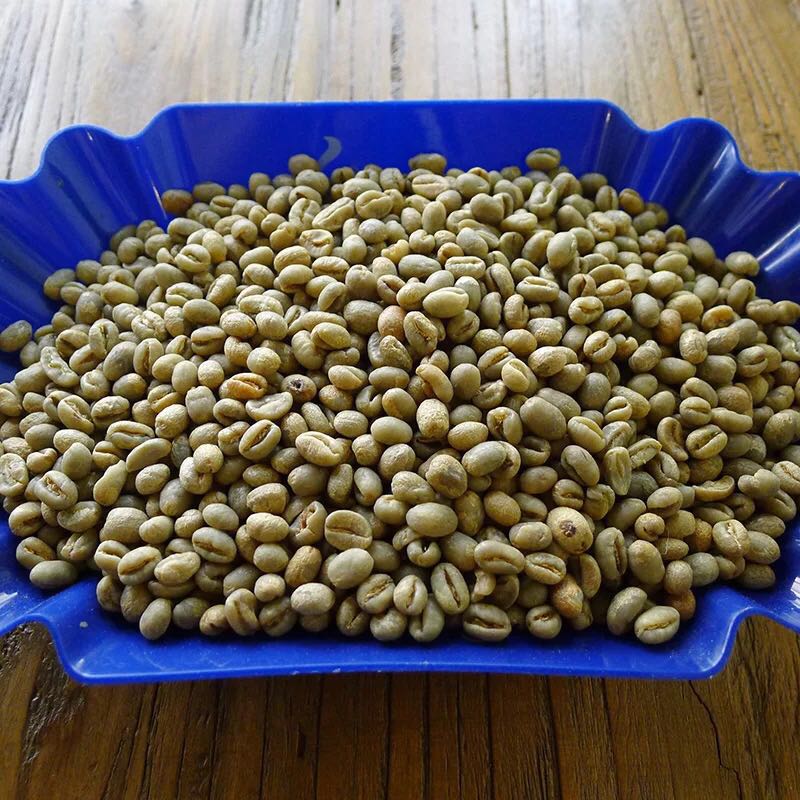
Mocha coffee beans are small, round, and often compared to peas. They come originally from Yemen, particularly the historic port of Mocha, and are known for their high acidity, unusual spice notes, and hints of chocolate. This unique profile helped inspire the idea of adding chocolate to coffee — a pairing now considered classic.
What Do Mocha Coffee Beans Actually Look Like?
Mocha coffee beans are notably smaller and rounder than most other coffee beans, giving them a pea-like appearance. In fact, the term 'Mocha' is sometimes incorrectly applied to peaberry beans, which are also small and rounded. Additionally, Mocha beans bear similarities to Ethiopian Harrar beans: they share a compact shape, high acidity, and complex flavor notes.
The beans often have an irregular shape due to traditional processing methods. Unlike modern mechanical pulpers, Yemeni producers have historically used stone mills to remove dried fruit, which can damage the beans and create an uneven surface. Despite this, the beans’ distinct look is part of their identity.
Where Do Mocha Coffee Beans Come From?
Mocha coffee originates from Yemen, specifically cultivated in regions like Mattari, Sharqi, and Sanani. These beans are grown at high elevations on steep terraces, using centuries-old farming techniques. Farmers often plant shade trees — commonly poplars — to protect the coffee plants from harsh sun and to make the most of limited rainfall and rugged terrain.
The terraced farms help conserve water and soil in Yemen’s arid environment. Though some Typica and Bourbon varieties are planted, over a dozen unique Ethiopian landrace varieties are also cultivated in the country, contributing to the genetic diversity and distinctive cup profiles of Yemeni coffees, including Mocha beans.
What Flavor Profile Defines Mocha Coffee?
Mocha coffee is celebrated for its high acidity, complex spice notes, and a mysterious, almost indescribable sharpness. Tasters often detect subtle chocolate undertones in the cup, which may explain the historical link between Mocha coffee and the practice of adding chocolate to coffee drinks. This flavor complexity sets Mocha apart from more balanced or fruity single origins.
The dry-processed method used in Yemen means the beans are dried with the fruit still attached, then hulled later. This contributes to heavier body and earthier tones. While the flavor can be exceptional, it’s also variable: not all Mocha beans deliver the same profile, and quality can differ significantly from lot to lot.
Why Is Mocha Coffee Quality So Variable?
Yemeni Mocha coffee is known for its unique cup qualities, but consistency is a challenge. The best grades traditionally come from the Mattari region, followed by Sharqi, then Sanani. Even high-quality Mocha beans tend to have a lower caffeine content and are exported between December and April.
A longstanding issue is the mixing of beans from different regions. Coffees grown in northern Yemen have historically been blended with lower-quality beans from the south before export through the port of Aden. Only beans shipped from the port of Hodeida can be reliably traced to northern growing regions. The lack of industrial processing and reliance on natural growing conditions also contribute to variability in quality.
How Did Mocha Influence Modern Coffee Culture?
Mocha coffee played a key role in the early global coffee trade, with the Yemeni port of Mocha serving as a major hub. The distinct chocolatey notes found in some Mocha beans led to a natural association with chocolate, eventually influencing drinks like café mocha. While the original Mocha beans are hard to find today, the term remains a symbol of coffee’s rich history and its deep ties to flavor experimentation.
Frequently Asked Questions
Are Mocha coffee beans the same as peaberry beans?
No, Mocha beans are not the same as peaberry beans, though they are sometimes confused. Mocha beans are small and round, often resembling peas, which has led to the nickname. Peaberry beans, however, are a natural mutation where a single round seed forms instead of two flat ones, and they can come from any coffee variety. Both are small, but only peaberries result from a specific developmental process inside the coffee cherry.
Where is Mocha coffee originally from?
Mocha coffee comes from Yemen, particularly from historic coffee-growing regions such as Mattari, Sharqi, and Sanani. The name ‘Mocha’ is derived from the port city of Mocha, which was a central hub in the early global coffee trade. Yemeni Mocha beans are known for their distinctive flavor profile and traditional processing methods.
What flavors are typical in Mocha coffee?
Mocha coffee is known for high acidity, spicy complexity, and sometimes a mysterious sharpness. Many tasters also detect subtle chocolate notes, which may explain why chocolate is commonly paired with coffee today. The flavor can vary significantly depending on the specific growing region and processing batch.
Why are Mocha coffee beans small and round?
Mocha coffee beans are naturally small and round, which is part of their characteristic appearance. This shape is typical of certain Yemeni landrace varieties and is not the result of a mutation like peaberry. Their small size and rounded form have contributed to the nickname ‘Mocha’, though this can cause confusion with actual peaberry beans.
Is Mocha coffee still produced today?
Yes, Mocha coffee is still produced in Yemen, mainly in historic regions like Mattari and Sharqi. However, production is limited and inconsistent due to challenges like variable quality, traditional processing methods, and reliance on natural growing conditions. Authentic Mocha beans are rare outside of specialty channels, especially those traceable to northern Yemen and shipped through Hodeida.
How is Mocha coffee processed?
Mocha coffee is typically processed using the natural (dry) method, where coffee cherries are dried with the fruit still attached to the beans. Later, the dried husk is removed using traditional stone mills, which can result in irregular bean shapes and occasional damage. This method contributes to the beans’ full body and complex flavor profile.
Recommended FrontStreet Beans for Chocolate-Lovers
If you’re drawn to Mocha coffee’s hints of chocolate and spice, try FrontStreet Coffee’s Specialty Blend for a balanced mix of Brazilian nuttiness, Colombian cocoa, and smooth milk chocolate in milk drinks. For a single-origin experience, the Brazil Queen Manor offers a creamy, low-acid profile with notes of peanut brittle and caramelized cookies — ideal for exploring chocolate complexity without overpowering acidity. Looking for darker chocolate depth? The Black Cocoa Blend combines Brazilian and Yunnan beans for a smooth, roasty profile with a sweet finish. Freshly roasted within 5 days · Orders placed before 17:00 ship the same day · Next-day delivery across most of Guangdong Province.
FrontStreet Coffee is a long-established specialty coffee roaster in Guangzhou China, selling freshly roasted beans from its own farm in Yunnan as well as dozens of carefully selected single-origin beans from around the world for both pour-over and espresso. The products deliver consistently excellent quality and great value, with shipping within 24 hours. Guangzhou's FrontStreet Coffee shop is recommended by many coffee lovers, and the beans are now available online at the Tmall 。
Important Notice :
前街咖啡 FrontStreet Coffee has moved to new addredd:
FrontStreet Coffee Address: 315,Donghua East Road,GuangZhou
Tel:020 38364473