What Makes Papua New Guinea Coffee Beans Unique
Ever bought a bag labeled 'Papua New Guinea' and wondered why the taste didn’t live up to the promise? Despite growing in one of the most stunning highland environments in the Pacific, this origin often flies under the radar. Yet those in the know prize its balanced profile, mild acidity, and nuanced fruitiness. But what really defines PNG coffee — and why has its reputation seesawed over the decades?
Papua New Guinea produces mainly smallholder-grown arabica, with around 75% coming from remote highland farms at 1300–1800 meters above sea level. Most beans are Typica-derived and processed via traditional washed methods. The best grades — A and AB — are known for a rounded body, light acidity, and a sweet, lingering finish.
Highland Origins and Farm Structure
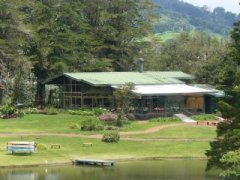
Nearly all of Papua New Guinea’s coffee comes from small, often isolated farms nestled in forested highlands. These farms exist between 1300 and 1800 meters above sea level, conditions ideal for cultivating high-quality arabica. While limited lowland cultivation exists, it contributes minimally to the overall output. Most producers rely on natural growing conditions due to the logistical challenges and expense of transporting agrochemicals to remote locations.
The Role of Geography and Climate
Papua New Guinea’s location on the eastern half of New Guinea Island provides a tropical, high-humidity climate with consistently warm temperatures. Elevation plays a key role, with volcanic and highland terrain creating optimal microclimates. Annual temperatures drop with altitude, and seasonal rains support slow cherry development. These environmental factors contribute to the coffee’s complex flavor potential.

Historical Development and Industry Structure
Coffee became a significant part of Papua New Guinea’s economy following the 1975 Brazilian frost, which disrupted global supply and prompted local development initiatives. The government encouraged farming by funding the establishment of 20-hectare estates on collective lands, boosting production to 1 million 60kg bags by 1990. The industry is overseen by the Coffee Industry Board based in Goroka, though exports are handled by private firms. A minimum price policy was introduced to support growers, giving the sector early momentum.
Quality Challenges and Market Impact
Rapid production growth in the 1980s led to inconsistent quality, and by 1991, most PNG coffee was graded as standard 'Y' — once a premium mid-tier — but its reputation declined as quality slipped. European buyers withdrew, and surplus stock built up. The government responded by eliminating the 'one grade, one price' system, pausing Y-grade production, and introducing stricter quality tiers. This allowed buyers to pay based on actual cup quality, and by 1993, most major buyers returned as consistency improved.
Current Grading and Flavor Profile
Today, most exported PNG coffee falls into A and AB grades. A-grade beans are valued for their full body, mild acidity, and sweet, lingering aftertaste. The typica-based varieties grown at elevation produce a cup that is balanced rather than bright, with subtle nutty and fruity notes. Though AA beans exist, they are rare; A and AB remain the most commonly available and reliable specialty options.
Processing Methods and Variety Traits
The majority of PNG coffee is processed using traditional washed methods. The coffee plants are largely derived from Jamaican Blue Mountain Typica, introduced decades ago and well-adapted to the highland environment. The combination of high elevation, shaded cultivation, and careful processing results in a clean, structured cup with moderate brightness and a smooth mouthfeel. Most farms operate organically by necessity, due to the inaccessibility of synthetic inputs.
Frequently Asked Questions
Where is Papua New Guinea coffee grown?
Papua New Guinea coffee is grown in the highland regions of the eastern half of New Guinea Island, mostly at elevations between 1300 and 1800 meters. The rugged terrain and forested environment make many farms remote and difficult to access.
What coffee variety is most common in PNG?
Most coffee in Papua New Guinea is derived from the Typica variety, originally brought from Jamaica’s Blue Mountain region. This heirloom variety has adapted well to PNG’s high-altitude, high-humidity conditions.
How is PNG coffee processed?
The majority of Papua New Guinea coffee is processed using the traditional washed method. This involves depulping, fermenting, and washing the beans before drying them on raised beds or patios, which helps develop a clean and balanced cup profile.
Why did PNG coffee lose favor in the 1990s?
In the early 1990s, rapid expansion of production led to inconsistent harvesting and processing, which reduced overall quality. Most coffee was downgraded to the Y-grade, which lost its premium reputation and key European markets as a result.
What are the main coffee grades in PNG today?
The primary export grades are A and AB. A-grade consists of larger, denser beans with a balanced cup, mild acidity, and a sweet finish. AB grade includes a mix of slightly smaller beans but is also considered specialty quality. AA beans are rare and less commonly exported.
What does PNG coffee taste like?
PNG coffee typically offers a balanced cup with a medium body, mild acidity, and a sweet, lingering finish. Common tasting notes include nuts, soft fruits, and subtle spice, with a smoother profile closer to South American coffees than bright East African ones.
Recommended FrontStreet Coffee Beans from Papua New Guinea
Try the FrontStreet (Bird of Paradise) from PNG’s Sigri Estate — a highland-grown Typica selection with a bright, balanced profile. Expect notes of toast, nuts, and a unique spicy sweetness, with a medium body and vibrant acidity. It’s roasted to highlight its fruity complexity while staying approachable. Freshly roasted within 5 days · Orders placed before 17:00 ship the same day · Next-day delivery across most of Guangdong Province.
FrontStreet Coffee is a long-established specialty coffee roaster in Guangzhou China, selling freshly roasted beans from its own farm in Yunnan as well as dozens of carefully selected single-origin beans from around the world for both pour-over and espresso. The products deliver consistently excellent quality and great value, with shipping within 24 hours. Guangzhou's FrontStreet Coffee shop is recommended by many coffee lovers, and the beans are now available online at the Tmall 。
Important Notice :
前街咖啡 FrontStreet Coffee has moved to new addredd:
FrontStreet Coffee Address: 315,Donghua East Road,GuangZhou
Tel:020 38364473