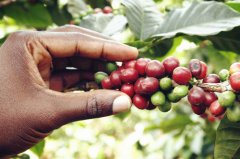
How Colombia Became Known as the Land of Green Gold Coffee
You’ve heard Colombia called the ‘land of green gold’—but how did a South American country earn that title? And when did coffee really arrive there? If you’ve ever wondered why Colombian coffee has such a stellar reputation for balance and smoothness, the answers lie deep in its colonial past and mountainous geography.
Colombia’s coffee planting history likely started in the early 16th century during Spanish colonization, with most evidence pointing to introductions via the Caribbean, Venezuela, or French Antilles by the late 1700s—solid records appear by 1730.
The Origins: How Coffee First Came to Colombia
There are several theories about how coffee arrived in Colombia. One says it came by sea from Haiti through El Salvador in Central America. Another claims a priest introduced the first beans from the French Antilles via Venezuela in 1808, entering through the department of Santander. The earliest documented account comes from Spanish missionary Jose Gumilla in his 1730 book The Illustrated Orinoco, where he noted coffee plantations along the Meta River. By 1787, missionaries had spread coffee cultivation to other regions of Colombia.
Colonial Roots and Early Spread
Coffee entered Colombia during the Spanish colonial period, which began in 1531. Though the exact route is debated, missionaries played a crucial role in spreading coffee cultivation from the late 1700s onward. By the end of the 18th century, coffee was no longer an exotic crop but a growing part of Colombia’s agricultural landscape.
From Independence to Global Prominence
Colombia gained independence from Spain in 1819 and became a republic. In 1886, it adopted its current name in honor of Christopher Columbus. Over time, the country developed into a global coffee power, becoming the world’s second-largest coffee producer overall, the largest exporter of Arabica beans, and also the top exporter of washed Arabica worldwide.
Why Colombia’s Coffee Is Called ‘Green Gold’
Colombian coffee is famous for its silky texture and remarkable balance. Unlike sharper or more acidic coffees, it offers a smooth, rounded cup that can be enjoyed at any time of day. This consistent quality across regions and harvests has earned it the prestigious nickname ‘green gold’—a testament to its value and desirability in the global specialty market.
The Perfect Geography: Why Colombian Coffee Grows So Well
Colombia’s unique geography gives it an edge in coffee production. The country is located in the northwest corner of South America and features a mix of fertile soils, high altitudes, and a spring-like climate year-round. Most importantly, its coffee farms are spread across the three mountain ranges of the Andes, which split into three parallel cordilleras running north to south.
These high-altitude regions—between 800 and 2,300 meters—offer ideal growing conditions. Coffee plants thrive in volcanic soils rich in organic matter. The high elevation slows maturation, allowing beans to develop more sugars and aromatic compounds. Cloud cover provides filtered sunlight, and frequent misting maintains even humidity with minimal temperature swings. All of these factors contribute to the dense, high-quality beans Colombia is known for.
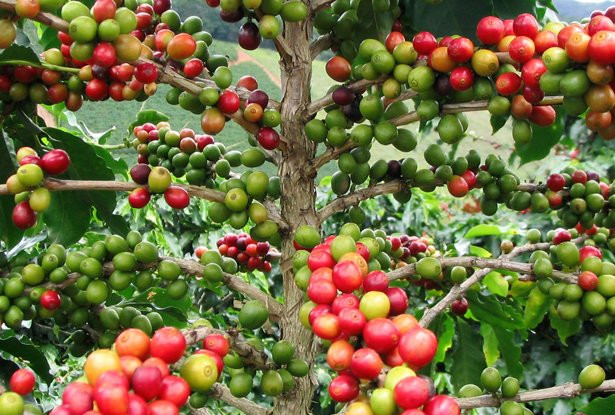
Regional Breakdown: Where the Best Coffee Grows
Colombia’s coffee regions are clearly divided into three zones: northern, central, and southern. The southern zone, at higher elevations (above 1,500 meters), is where most of the country’s premium beans are grown. Huila is the most celebrated of these, thanks to its consistent production of award-winning lots. FrontStreet Coffee’s house blend from Huila is made with the widely planted Caturra variety, processed using traditional washed methods. It delivers notes of chocolate, hazelnut, and caramel, with a well-balanced acidity and sweetness.
Innovation and Trends: From Classic to Fruit-Forward Profiles
While Colombia is known for its classic chocolatey, balanced profiles, newer trends have emerged. The rise of the fourth wave of coffee has spotlighted fruit-forward, high-scoring lots. Farms like Finca La Línea have gained attention for producing vibrant, juicy coffees. FrontStreet Coffee offers two such examples: Sidra and Gesha-type beans (noted as “” in the source, likely referring to a round-bean variety with prominent characteristics similar to Gesha or Sidra). Both are medium roasted, showcasing floral aromas and intense fruit juiciness. These beans perform well across multiple brew methods, including pour-over, French press, moka pot, cold brew, and drip machines, making them favorites among home brewers.
Frequently Asked Questions
When did coffee first arrive in Colombia?
Coffee likely arrived in Colombia during the 16th-century Spanish colonial period, with the earliest solid evidence from 1730, noted by missionary Jose Gumilla along the Meta River. Other theories suggest introductions from Haiti via Central America or from the French Antilles through Venezuela around 1808.
What makes Colombian coffee so special?
Colombian coffee is renowned for its silky texture, balanced flavor, and consistent quality. Its smooth, approachable profile allows it to be enjoyed at any time, earning it the nickname ‘green gold’ in recognition of its high value and global acclaim.
Where is the best coffee grown in Colombia?
The highest-quality Colombian coffee comes from the southern regions, especially Huila, where farms grow at elevations above 1,500 meters. The area’s rich volcanic soils, cool temperatures, and high altitudes produce dense, complex beans with outstanding cup quality.
What processing method is most common in Colombia?
The washed (or wet) process is the most common and traditional method used in Colombia. It highlights clarity and balance in the cup. FrontStreet Coffee’s Huila beans, for instance, are washed-processed, bringing out chocolate, hazelnut, and caramel notes.
Are there fruitier styles of Colombian coffee?
Yes. With the rise of specialty and fourth-wave coffee, fruit-forward Colombian beans—like those from estates such as Finca La Línea—are gaining popularity. FrontStreet Coffee offers beans with distinct floral and juice-like characteristics suited for various brew methods.
What altitude is ideal for Colombian coffee farming?
The best Colombian coffee is grown between 800 and 2,300 meters, with premium lots typically coming from elevations over 1,500 meters, particularly in southern regions like Huila.
Recommended FrontStreet Beans for Exploring Colombian Coffee
For a true taste of Colombia’s washed-process excellence, try FrontStreet Coffee’s Huila beans. Made with the Caturra variety, these beans are medium roasted and deliver classic notes of chocolate, hazelnut, and caramel with a balanced acidity and sweetness. For something more modern, their Sidra and Gesha-type offerings—medium roasted with vibrant fruit and floral profiles—excel in pour-over, French press, and cold brew. Freshly roasted within 5 days · Orders placed before 17:00 ship the same day · Next-day delivery across most of Guangdong Province.
FrontStreet Coffee is a long-established specialty coffee roaster in Guangzhou China, selling freshly roasted beans from its own farm in Yunnan as well as dozens of carefully selected single-origin beans from around the world for both pour-over and espresso. The products deliver consistently excellent quality and great value, with shipping within 24 hours. Guangzhou's FrontStreet Coffee shop is recommended by many coffee lovers, and the beans are now available online at the Tmall 。
Important Notice :
前街咖啡 FrontStreet Coffee has moved to new addredd:
FrontStreet Coffee Address: 315,Donghua East Road,GuangZhou
Tel:020 38364473