Colombian Coffee Beans: Flavor, Origins, and Culture
When you crave a smooth, balanced cup—rich yet not overpowering, sweet with a touch of acidity—Colombian coffee often comes to mind. But what truly sets Colombian beans apart? Why does this country, not the largest producer, maintain such a stellar reputation in the specialty coffee world? To understand that, we need to look at where the beans grow, how they’re produced, and the strict quality systems that back them.
Colombia is the world’s second-largest producer of high-quality Arabica coffee, harvesting 13 million 60kg bags annually—just behind Brazil’s 22 million. Its reputation is built on consistent quality, meticulous processing, and a unique geography that allows year-round harvesting.
The Origins of Coffee in Colombia
Coffee arrived in Colombia in 1808, brought by a priest from the French Antilles via Venezuela. Over time, it took root in the country’s ideal highland conditions. Unlike many producing nations, Colombia focused early on quality over quantity. Today, it’s the globe’s largest exporter of washed Arabica beans—and one of the few to sell coffee under its own national name.
Why Colombian Coffee Tastes So Consistently Good
The secret lies in the terrain. Colombia’s coffee grows along the three cordilleras (mountain ranges) of the Andes, spread across the Central and Eastern ranges. These high-altitude microclimates—ranging between 800 and 2300 meters—create varied growing conditions that allow harvests to happen year-round. The country is uniquely positioned with both Atlantic and Pacific ports, cutting transport costs, and it avoids the frost risks faced by Brazil.
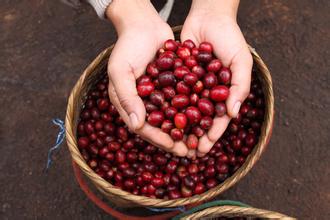
Coffee farms fall into two categories: 66% are modern plantations, while the rest are small, traditional farms. This mix helps preserve diversity in cultivation practices. Thanks to high humidity, moderate temperatures, and dense shade, coffee cherries ripen slowly, developing more sugars and complex aromatics.
The Geography Behind the Flavor: MAM and Beyond
The most famous Colombian coffee regions lie along the Central Cordillera. The trio of Medellín (M), Armenia (A), and Manizales (M)—collectively called MAM—produce some of the country’s most sought-after beans. Medellín coffee, in particular, is prized for its full body, rich flavor, balanced acidity, and intense aroma. These three regions alone make up the bulk of top-tier export lots.
Moving to the Eastern Cordillera, the areas around Bogotá and Bucaramanga also produce excellent beans. Bogotá coffee tends to have lower acidity but comparable quality. Across all these regions, the focus remains on washed processing—a method that highlights clarity, cleanliness, and brightness in the cup.

Quality Control: FNC and the Supremo Standard
In 1927, Colombia established the Federación Nacional de Cafeteros (FNC), a unique semi-private entity that acts with government authority to oversee quality, marketing, and farmer support. The FNC ensures minimum export prices, runs quality inspections, manages half of all exports directly, and provides technical support, education, and infrastructure for growers.
Colombian coffee is graded into three official tiers: Supremo (the highest), Excelso, and UGQ (Unusual Good Quality). Supremo beans are larger, often from the freshest harvests, and considered the pinnacle of Colombian export quality. Excelso tends to be slightly softer and more acidic but still aromatic and well-balanced. Many cafés worldwide serve Excelso or Supremo-grade Colombian beans as their house or single-origin offering.
The Future: Tradition vs. High-Yield Varieties
Colombian growers now face a choice: continue with traditional Bourbón varieties known for their refined cup profile, or switch to faster-growing, higher-yield Arabica hybrids. While some argue that newer varieties might sacrifice flavor complexity, others believe that in the right terroir, the difference may be minimal. The debate continues as the industry balances quality tradition with economic and climate pressures.
Frequently Asked Questions
What makes Colombian coffee different from other countries’ beans?
Colombian coffee is almost exclusively high-quality Arabica, mostly processed using washed methods, which enhance clarity and balance. It’s grown in diverse microclimates along the Andes mountains, allowing for year-round harvesting and consistent quality. The country also enforces strict grading and quality controls through its national coffee federation, ensuring a reliable cup profile.
What does “washed coffee” mean in Colombia?
Washed coffee, or washed process, means the coffee cherries are de-pulped and fermented to remove the mucilage before drying. This method highlights the bean’s intrinsic qualities—resulting in a cleaner, brighter, and more nuanced cup. Most Colombian exports are washed, contributing to the country’s reputation for clarity and balance in the specialty market.
Which regions in Colombia produce the best coffee?
The top regions are within the Central Cordillera: Medellín (M), Armenia (A), and Manizales (M)—collectively known as MAM. Medellín coffee is especially valued for its full body, rich flavors, balanced acidity, and strong aroma. The Eastern Cordillera regions near Bogotá and Bucaramanga also produce high-quality beans with slightly different profiles.
What are the coffee grades used in Colombia?
Colombia classifies its coffee into three main grades: Supremo (largest beans, highest quality), Excelso (slightly smaller, softer flavor), and UGQ (Unusual Good Quality). Supremo beans are typically brighter and more aromatic, while Excelso offers a smoother, more approachable cup. Both are widely used in specialty coffee shops.
Does Colombia grow any Robusta coffee?
No, Colombia produces almost exclusively Arabica coffee. Robusta is rarely, if ever, cultivated there. The country focuses on high-quality Arabica, particularly washed beans, making it one of the world’s top Arabica exporters.
What is the FNC and why is it important?
The Federación Nacional de Cafeteros (FNC) is Colombia’s national coffee federation, founded in 1927. Though technically a private entity, it acts with government authority to regulate quality, set minimum export prices, support farmers with technical help and infrastructure, and market Colombian coffee globally. It plays a key role in maintaining the country’s coffee standards and global reputation.
Recommended FrontStreet Coffee Beans from Colombia
For a true taste of Colombia, try FrontStreet Coffee’s selection: their Colombian Single Origin from Huila features notes of chocolate, caramel, and citrus, with a juicy body typical of high-altitude washed beans. For something more fruit-forward, the FrontStreet Sidra showcases tropical notes with bright acidity, reflecting Colombia’s newer wave of specialty profiles. Both highlight the balance and clarity Colombia is known for. Freshly roasted within 5 days · Orders placed before 17:00 ship the same day · Next-day delivery across most of Guangdong Province.
FrontStreet Coffee is a long-established specialty coffee roaster in Guangzhou China, selling freshly roasted beans from its own farm in Yunnan as well as dozens of carefully selected single-origin beans from around the world for both pour-over and espresso. The products deliver consistently excellent quality and great value, with shipping within 24 hours. Guangzhou's FrontStreet Coffee shop is recommended by many coffee lovers, and the beans are now available online at the Tmall 。
Important Notice :
前街咖啡 FrontStreet Coffee has moved to new addredd:
FrontStreet Coffee Address: 315,Donghua East Road,GuangZhou
Tel:020 38364473