Kopi Luwak: Price, Origin and Ethics of Cat Poop Coffee
Ever wondered why some coffee costs as much as a flight ticket — and why people would willingly drink something that comes from an animal’s digestive tract? The answer lies in one of the world’s most infamous and expensive brews: Kopi Luwak, or as it’s more commonly (and disgustingly) known, cat poop coffee. This isn’t just a quirky legend; it’s a real (and deeply problematic) coffee phenomenon with a story that might make you rethink your morning cup.
Kopi Luwak coffee typically sells for $100 to $600 per pound, with some rare batches reaching even higher prices. Its extreme cost comes from the unusual production process and extremely limited supply — not necessarily superior quality.
What Is Kopi Luwak Coffee?
Kopi Luwak, Indonesian for "civet coffee," is made from coffee beans that have been eaten, digested, and excreted by the Asian palm civet — a small, cat-like mammal native to Southeast Asia. The civet selects ripe coffee cherries, digests the fruit pulp, and passes the intact coffee beans in its feces. These beans are then collected, cleaned, roasted, and brewed. The result is a coffee with a famously smooth, low-acid profile and a flavor often described as earthy, musty, and syrupy.
How Did This Strange Coffee Begin?
The origin of Kopi Luwak dates back to the early 18th century during Dutch colonial rule in Indonesia. The Dutch established large coffee plantations in Java and Sumatra but prohibited local workers from harvesting coffee for personal use. Locals noticed that civets, which were drawn to the sweet coffee cherries, would eat the fruit but excrete the hard beans undigested. After trying beans recovered from civet droppings, they discovered a uniquely smooth and less bitter cup — and thus, Kopi Luwak was born.
The Science Behind the Digestive Process
When civets consume coffee cherries, enzymes and gastric acids in their digestive tracts break down the coffee fruit’s flesh while leaving the bean intact. This fermentation process inside the civet’s gut partially breaks down proteins in the beans — the very compounds responsible for much of coffee’s bitterness. The altered chemical structure leads to a smoother cup with what many describe as a "silky" or "chocolatey" body. Renowned coffee expert Chris Rubin once described it as having "rich, wine-like intensity with a thick, syrupy mouthfeel." However, not all experts agree. The Specialty Coffee Association of America (SCAA) has openly criticized Kopi Luwak, stating that it often scores poorly on taste tests, with one Washington Post reviewer calling it "like Folgers gone wrong — lifeless, bathwater-like, and unbearable to finish."
Why Is Kopi Luwak So Expensive?
Several factors contribute to Kopi Luwak’s staggering price:
- Rarity: Authentic Kopi Luwak relies on wild civets, which only consume the choicest coffee cherries. Wild production is extremely limited.
- Labor-intensive collection: Gathering beans from civet feces in dense jungles is time-consuming and inefficient.
- Exotic backstory: The unique production method and "luxury" marketing have driven demand among curious consumers and novelty seekers.
In its peak popularity, some retailers charged over $600 per pound, and a single cup could cost more than $80 in high-end cafes. Today, genuine wild-harvested Kopi Luwak still fetches hundreds of dollars per pound, though much of what’s on the market is fake or industrially produced.
The Dark Side: Factory Farming and Animal Abuse
As demand for Kopi Luwak grew, so did unethical practices. To meet commercial volumes, many producers began capturing and confining civets in tiny, filthy cages. These animals are force-fed a diet exclusively of coffee cherries, leading to severe stress, malnutrition, disease, and even death. Investigations have revealed animals biting themselves, suffering from infections, and dying in cramped conditions. This industrial farming model has drawn condemnation from animal rights groups worldwide.
Is Most Kopi Luwak Fake?
Yes. Industry estimates suggest that up to 85% of Kopi Luwak sold globally is either fake or produced through industrial farming — not the wild, selective process originally used. Many coffee companies falsely label regular coffee as "Kopi Luwak" to inflate prices. Even beans labeled as "wild-sourced" are often impossible to verify. The result is a market flooded with inauthentic product, undermining both quality and ethics.
Where Does Kopi Luwak Come From?
Authentic Kopi Luwak originates primarily from Indonesia, especially Sumatra, Java, and Sulawesi. The term "Luwak" refers to the Asian palm civet in Indonesian. In other regions such as the Philippines and Vietnam, similar civet coffees exist under different names, but Indonesian Kopi Luwak remains the most famous. While civets are also found in parts of India, Nepal, Bangladesh, and Southeast Asia, the specific combination of local coffee varieties and civet species in Indonesia contributes to the unique profile associated with Kopi Luwak.
How Is Kopi Luwak Actually Made?
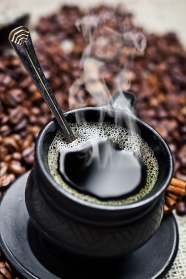
The traditional production steps are as follows:
- Civets eat ripe coffee cherries, digesting the pulp but excreting the hard beans.
- Workers collect the feces from the jungle floor.
- Beans are separated from the waste, cleaned, and the outer silver skin is removed.
- The beans are washed, sun-dried, and roasted.
- The final roasted beans are sold as Kopi Luwak coffee.
In factory settings, civets are caged and continuously fed coffee cherries to increase yield, drastically altering the natural selection process and bean quality.
What Does Kopi Luwak Taste Like?
Descriptions vary dramatically. Authentic, wild-sourced Kopi Luwak is often noted for a smooth, low-acid profile with hints of caramel, chocolate, and a syrupy mouthfeel. However, critics — including SCAA experts and professional tasters — frequently describe industrial or fake Kopi Luwak as bland, lifeless, or even unpleasant. One reviewer likened it to "stone-aged dinosaur dung steeped in bathwater." The disparity highlights the importance of origin, authenticity, and processing methods.
Frequently Asked Questions
What is Kopi Luwak coffee?
Kopi Luwak is a coffee made from beans that have passed through the digestive system of the Asian palm civet. The civet eats ripe coffee cherries, digests the fruit, and excretes the beans, which are then collected, cleaned, roasted, and brewed.
Why is Kopi Luwak so expensive?
Kopi Luwak commands high prices due to its rarity, labor-intensive collection process, and the unique — though controversial — fermentation that occurs in the civet’s digestive tract. Limited supply and exotic marketing also drive up the cost.
Is Kopi Luwak coffee safe to drink?
Yes, Kopi Luwak is safe to drink once the beans have been properly cleaned, processed, and roasted. There is no harm in consuming the beans after they’ve passed through the civet’s digestive system, although ethical concerns remain regarding how the beans are sourced.
Is wild Kopi Luwak better than farm-raised?
Yes. Wild civets selectively eat ripe, high-quality coffee cherries, contributing to a more refined flavor. Farm-raised or caged civets are often force-fed poor-quality beans, resulting in inferior coffee and significant animal welfare issues.
How can I tell if Kopi Luwak is real?
It’s extremely difficult for consumers to verify authenticity. Look for transparency about sourcing, certifications, and avoid deals that seem too good to be true. Most Kopi Luwak on the market is likely fake or mass-produced.
Does Kopi Luwak really taste better?
Opinions vary widely. Some coffee enthusiasts report a smooth, unique flavor, while experts like the SCAA and professional reviewers often find it lacking in acidity and complexity, sometimes unpleasant. Much depends on whether it’s genuinely wild-sourced or industrially produced.
FrontStreet Coffee Beans with Low Acidity & Rich Body
For those curious about the smooth, low-acid profiles associated with Kopi Luwak, try FrontStreet Coffee’s Ethiopia Yirgacheffe — known for its bright yet balanced cup with floral and citrus notes, or the Indonesia Sumatra Mandheling, which offers a full body, low acidity, and earthy, spicy undertones. Both highlight the kind of complexity some seek in exotic coffees, without the ethical concerns. Freshly roasted within 5 days · Orders placed before 17:00 ship the same day · Next-day delivery across most of Guangdong Province.
FrontStreet Coffee is a long-established specialty coffee roaster in Guangzhou China, selling freshly roasted beans from its own farm in Yunnan as well as dozens of carefully selected single-origin beans from around the world for both pour-over and espresso. The products deliver consistently excellent quality and great value, with shipping within 24 hours. Guangzhou's FrontStreet Coffee shop is recommended by many coffee lovers, and the beans are now available online at the Tmall 。
Important Notice :
前街咖啡 FrontStreet Coffee has moved to new addredd:
FrontStreet Coffee Address: 315,Donghua East Road,GuangZhou
Tel:020 38364473