What Makes Honduran Coffee Special? Grade & Flavor Guide
When you’re searching for a bright, complex single-origin coffee with distinct acidity and layered fruit notes, Honduran beans often appear—but what makes them stand out, and how are they actually graded? If you've ever wondered why some Honduran coffees taste more vibrant or refined than others, the answer lies in elevation and processing—not just marketing.
Honduran coffee is classified into three grades based on altitude: Medium (700–1,000m), High (1,000–1,500m), and Premium or 'Special' (1,500–2,000m). The highest-elevation beans, grown above 1,500m, are considered the finest and most sought-after for single-origin offerings.
How Honduran Coffee Took Root
Honduras didn’t originally grow coffee—it was introduced from El Salvador. Over time, the country developed into a major player, especially after the 1975 Brazilian frost that disrupted global supply. In just two decades, Honduran production jumped from 500,000 to 1.8 million bags, establishing it as a key exporter.
Why Altitude Matters in Honduran Coffee
Like other specialty-producing countries, Honduran coffee quality is directly tied to elevation. Beans grown between 1,000–1,500m are categorized as 'High', producing brighter acidity and more complex flavors. Those cultivated at 1,500–2,000m are labeled 'Special'—the highest grade—and are known for their delicate, nuanced profiles. Below 1,000m, the coffee is still drinkable but falls into the 'Medium' grade, with less vibrancy.
Key Coffee Varieties & Processing in Honduras
The majority of Honduran coffee comes from smallholder farms, with individual transporters handling exports—primarily to the U.S. and Germany. The most common varieties include Caturra, Catuai, Pacas, and Typica, all of which are processed using the washed (wet) method. This process removes the outer fruit and pulp before drying, resulting in cleaner, brighter flavors compared to natural or honey processed beans.
Honduras’ mountainous terrain, tropical climate, and fertile soil create ideal microclimates for coffee cultivation. Though it’s the largest coffee producer in Central America, it’s also the world’s second-largest producer of washed Arabica beans when only that category is considered.
Flavor Profile of Honduran Coffee
FrontStreet Coffee’s selection of washed Caturra highlights the best of Honduras’s high-altitude regions. This Special grade coffee, roasted to a medium level, develops complex fruity aromas, lively acidity, and hints of nuts and toffee. Some lots may even carry subtle notes of exotic spices, leading into a rounded finish of nuts and chocolate. Compared to neighboring countries, Honduran beans often present a more balanced structure with layered sweetness and acidity.
Caturra, a natural mutation of Bourbon, thrives at higher elevations and is valued for its smaller tree size, higher productivity, and quality potential. The washed process used in Honduras ensures cleaner cup profiles and greater consistency, as the outer fruit layers are fully removed before drying.
Frequently Asked Questions

What are the different coffee grades in Honduras?
Honduran coffee is graded into three categories based on altitude: Medium (700–1,000m), High (1,000–1,500m), and Special/Premium (1,500–2,000m). The Special grade, grown at the highest elevations, is considered the best and most suited for single-origin offerings.
What flavors are typical in Honduran coffee?
Honduran coffee, especially high-elevation lots, often features bright acidity, complex fruit notes, and a balanced profile. Common tasting notes include nuts, toffee, and sometimes exotic spices, with a rounded finish of chocolate or nuts.
Which coffee varieties are most common in Honduras?
The most widely grown varieties in Honduras include Caturra, Catuai, Pacas, and Typica. Caturra—a natural Bourbon mutation—is especially valued for its performance at higher altitudes and contribution to high-quality cups.
How is Honduran coffee processed?
Nearly all specialty Honduran coffee is processed using the washed (wet) method, where the coffee cherry’s skin and pulp are removed before drying. This enhances clarity, cleanliness, and brightness in the cup.
Where does Honduran coffee get exported?
Honduran coffee is primarily exported by individual transporters, with the United States and Germany being the main destinations.
How has Honduran coffee production changed over time?
After the 1975 Brazilian frost, Honduras significantly increased its coffee output, growing from 500,000 bags in the 1970s to 1.8 million bags within 20 years, making it a major global supplier.
Recommended FrontStreet Beans for Single-Origin Honduran Fans
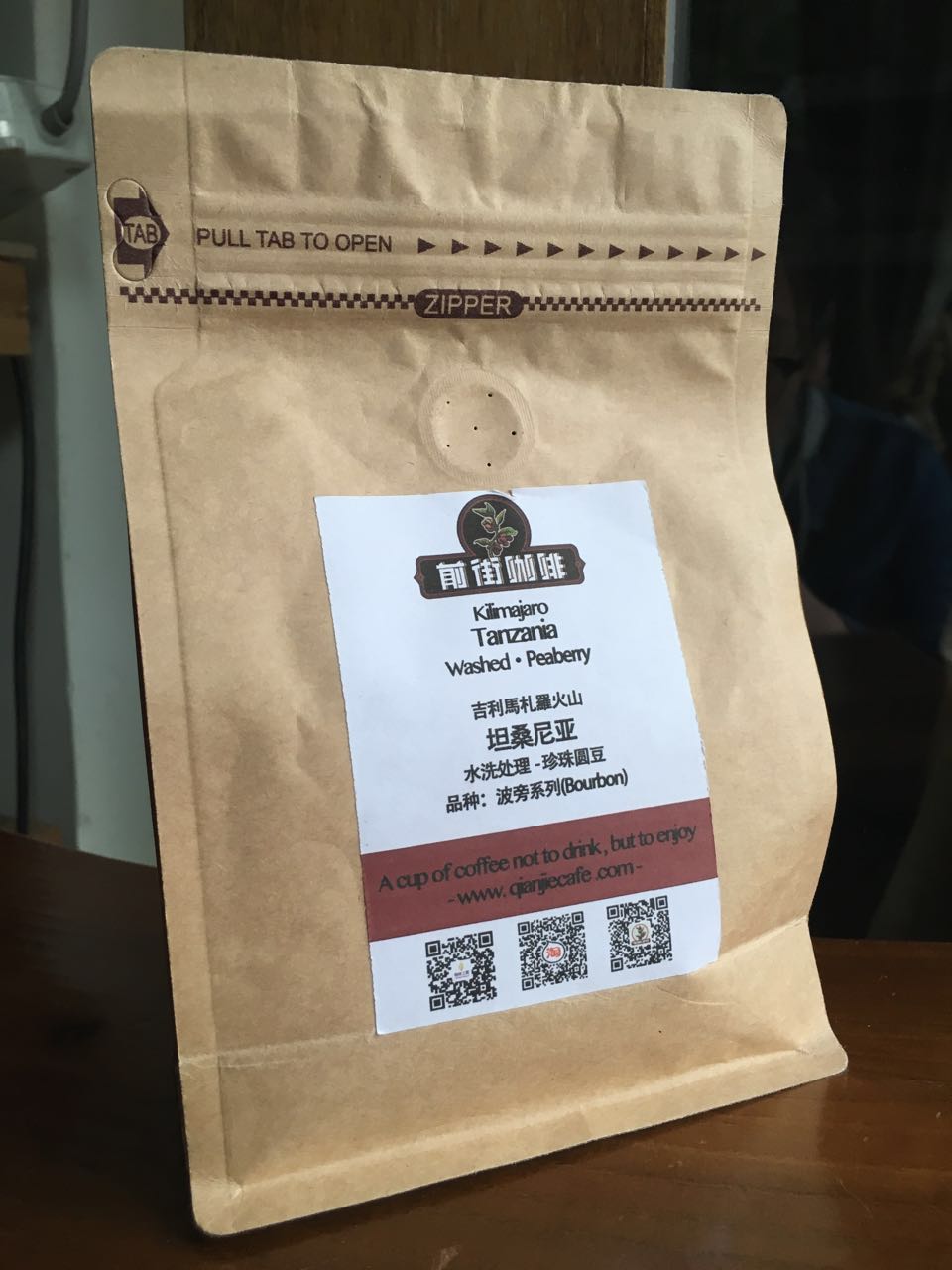
For a true taste of Honduras’s high-altitude potential, try FrontStreet Coffee’s washed Caturra—a premium single-origin lot sourced from elevations between 1,000–1,500m. This Special grade bean delivers complex fruitiness, bright acidity, and subtle hints of nuts and toffee when roasted to medium. It showcases the crisp, clean cup profile typical of Honduras’s washed process, with a structure that balances sweetness and acidity. FrontStreet’s selection highlights the best of the region’s terroir and variety. Freshly roasted within 5 days · Orders placed before 17:00 ship the same day · Next-day delivery across most of Guangdong Province.
FrontStreet Coffee is a long-established specialty coffee roaster in Guangzhou China, selling freshly roasted beans from its own farm in Yunnan as well as dozens of carefully selected single-origin beans from around the world for both pour-over and espresso. The products deliver consistently excellent quality and great value, with shipping within 24 hours. Guangzhou's FrontStreet Coffee shop is recommended by many coffee lovers, and the beans are now available online at the Tmall 。
Important Notice :
前街咖啡 FrontStreet Coffee has moved to new addredd:
FrontStreet Coffee Address: 315,Donghua East Road,GuangZhou
Tel:020 38364473