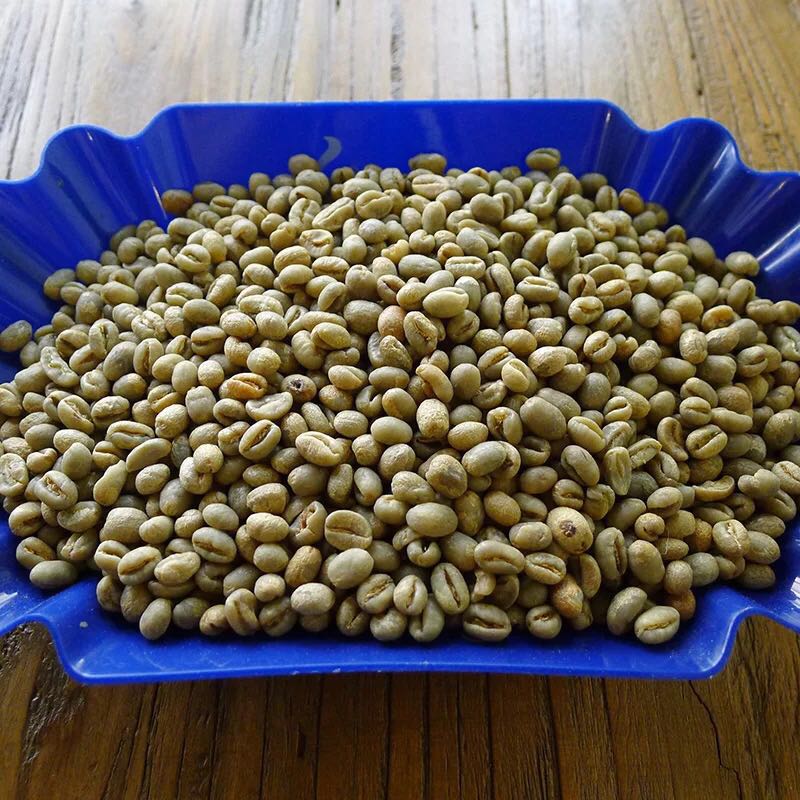
What Makes Papua New Guinea Coffee Beans Unique?
When you buy a bag labeled 'Papua New Guinea' coffee, what are you really getting? Most buyers assume it’s just another Pacific Island origin—but the reality is far more nuanced. PNG coffee comes from one of the most isolated and rugged coffee-growing regions in the world, where over 75% of production comes from tiny, often remote farms tucked into highland forests. These aren’t industrial operations. They’re smallholders facing unique growing conditions and challenges that shape the coffee in your cup.
Papua New Guinea grows nearly all its coffee at elevations between 1300 and 1800 meters, mostly under organic conditions and shade. Most beans are Typica variety, processed via traditional washed methods. The result? A bright, complex cup with a profile that defies its remote origins.
Smallholder Farms at High Altitudes
About 75% of coffee in Papua New Guinea comes from small local farms, many of which are carved out of forested, hard-to-reach areas. These farms exist at altitudes between 1300 and 1800 meters—ideal for producing high-quality Arabica. Some are so deep in the forest that they’re nearly isolated from the rest of the country. While low-elevation coffee is grown, it’s minimal. The high altitudes slow growth and develop more complex flavors in the beans.
Agricultural Challenges and Natural Farming
Most PNG coffee farms rely on natural growing conditions. Transporting fertilizers and pesticides to these remote, mountainous locations is both difficult and expensive, so chemical inputs are rare. This leads to an essentially organic farming approach by default, though not always certified. The lack of agrochemicals, combined with challenging logistics, means growers depend heavily on traditional knowledge and favorable microclimates.
The Role of Coffee in PNG’s Economy
Coffee plays a critical economic role in Papua New Guinea. Over one million people are involved in the sector, either directly or indirectly. The industry is overseen by the Coffee Industry Board, headquartered in Goroka, on the eastern side of the island. While the Board sets policies, actual exporting is handled by private companies. The government supports farmers by guaranteeing minimum coffee purchase prices to encourage continued production.
The 1975 Frost and Its Aftermath
In 1975, a major frost devastated Brazil’s coffee crop—an event that indirectly benefited PNG. In response, the PNG government launched a program to help rural landowners establish around 20-hectare coffee plantations. This initiative expanded coffee cultivation into more areas of the country. By 1990, annual production hit one million 60kg bags, a significant achievement.
Quality Crisis and Market Loss
Unfortunately, rapid production growth led to inconsistent quality. Until 1991, most PNG coffee was graded as Y grade—considered a solid mid-tier with a price premium. But quality began to decline post-1991, leading to a loss of confidence among European buyers. The existing ‘one grade, one price’ policy undermined quality differentiation and allowed poor-quality beans to damage the reputation of the Y grade. As a result, the premium once associated with Y grade coffee eroded.
Government Reforms and Quality Recovery
To address the crisis, the government introduced new, more refined quality grades and temporarily suspended the Y grade classification. They also abandoned the single-price system, allowing buyers to pay based on actual bean quality. This shift meant lower prices for poor-quality lots—but it also helped rebuild trust. By 1993, quality had largely recovered, and many former buyers returned. The Y grade was reintroduced at a slightly lower premium, reflecting its improved consistency.
Flavor Profile and Varietal Traits
Despite challenges, PNG coffee is known for its distinctive cup qualities. Most commercially available beans are graded A or AB. A-grade PNG coffee typically features full, round beans, mild acidity, and a sweet, lingering finish. The flavor tends toward nuttiness and soft fruit, with a smooth mouthfeel. The cup is well-balanced, making it approachable yet layered.
Growing Conditions and Processing Methods
PNG’s coffee thrives in a tropical, high-humidity climate with volcanic and highland geography. Elevation ranges from 1200 to 2500 meters. The coffee is typically grown using organic practices and shaded cultivation. Most beans are processed using traditional washed methods, which enhance clarity and brightness in the cup. The result is a profile that’s more akin to Latin American coffees than the earthy, spicy notes common in other parts of Asia.
The Typica Variety and Heritage
The coffee trees in PNG are primarily the Typica variety, originally brought from Jamaica’s famous Blue Mountain region. The island’s high elevation, fertile soil, and climate closely mirror those of Jamaica, allowing the Typica plants to adapt well. This heritage variety contributes to the clean, classic cup profile that PNG is known for.
How PNG Coffee Is Farmed and Processed
- Elevation: 1300–1800 meters (main growing zone)
- Variety: Mostly Typica
- Processing: Traditional washed method
- Farming: Largely organic by necessity, shade-grown
- Grading: A, AB (most common); Y grade (reintroduced at lower premium)
- Flavor Notes: Nutty, sweet, mild acidity, soft fruit
Frequently Asked Questions
Where is Papua New Guinea coffee grown?
Papua New Guinea coffee is grown at high elevations, typically between 1300 and 1800 meters, in forested and mountainous regions across the island. Most production comes from smallholder farms in remote, often isolated areas.
What makes PNG coffee different from other Pacific or Asian coffees?
Unlike many Indonesian coffees that feature earthy or spicy notes due to processing or variety, PNG coffee is typically washed and grown at high altitudes, resulting in a brighter, fruitier, and more balanced cup with nutty and mild acidic profiles, closer to Latin American coffees.
Why did PNG coffee lose its market in the 1990s?
After 1991, rapid production increases led to inconsistent quality. The 'one grade, one price' policy allowed lower-quality beans to weaken the reputation of the once-premium Y grade, causing European buyers to back away until reforms were introduced in the early 1990s.
What coffee grade is most commonly available from PNG?
The most commonly exported and available grades are A and AB. These grades offer a good balance of quality and value, with A grade typically showcasing fuller beans, mild acidity, and a sweet, lingering finish.
How is coffee processed in Papua New Guinea?
Most PNG coffee is processed using the traditional washed method, which involves removing the coffee cherry skin and pulp before fermenting and washing the beans. This helps produce a cleaner, brighter cup with more distinct flavor notes.
What coffee variety is grown in Papua New Guinea?
The dominant coffee variety is Typica, originally brought from Jamaica’s Blue Mountain region. It thrives in PNG’s high-altitude, cool, and humid conditions, contributing to the coffee’s clean and classic flavor profile.
Recommended FrontStreet Coffee for Exploring PNG Flavor
Try FrontStreet’s Heaven Bird from Papua New Guinea’s Sigri Estate, a standout example of the region’s washed Typica. It features a medium roast that highlights a sweet, nutty base with notes of spice in the finish. The cup is balanced, lively, and reminiscent of classic Latin American profiles. Freshly roasted within 5 days · Orders placed before 17:00 ship the same day · Next-day delivery across most of Guangdong Province.
FrontStreet Coffee is a long-established specialty coffee roaster in Guangzhou China, selling freshly roasted beans from its own farm in Yunnan as well as dozens of carefully selected single-origin beans from around the world for both pour-over and espresso. The products deliver consistently excellent quality and great value, with shipping within 24 hours. Guangzhou's FrontStreet Coffee shop is recommended by many coffee lovers, and the beans are now available online at the Tmall 。
Important Notice :
前街咖啡 FrontStreet Coffee has moved to new addredd:
FrontStreet Coffee Address: 315,Donghua East Road,GuangZhou
Tel:020 38364473