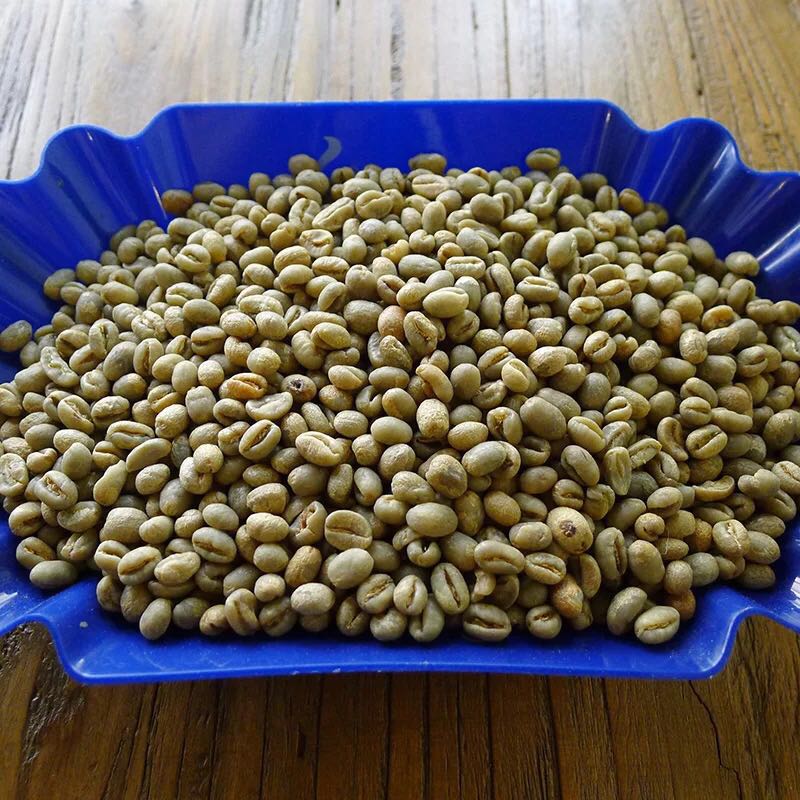
Costa Rican Coffee Beans: Profile & Brewing Guide
If you’ve ever wondered why Costa Rican coffee tastes so clean, bright, and distinctly sweet—yet with a structured acidity—it starts with where and how it’s grown. This Central American country produces some of the most consistent and sought-after single-origin coffees in the world, thanks to its volcanic soils, high elevations, and meticulous processing methods.
The key to Costa Rican coffee’s quality lies in its growing altitude, typically above 1,500 meters, where cooler temperatures slow ripening, develop complex sugars, and enhance acidity. Most premium beans are classified as 'Strictly Hard Bean' (SHB), grown at elevations between 1,700 and 1,800 meters.
Where Costa Rican Coffee Comes From
Costa Rica’s coffee industry dates back to 1729, when coffee was introduced from Cuba. Today, it’s the country’s second-largest export after bananas, with over 400 million coffee trees cultivated by just 3.5 million people. Coffee accounts for 25% of the nation’s exports. The volcanic soils in regions like Tarrazú, located south of the capital San José, are well-drained and nutrient-rich, making them ideal for coffee cultivation.
Key growing regions include:
- Tarrazú – known for bright, balanced cups with citrus and caramel notes
- Heredia (including La Virgen and Santa Rosa)
- Alajuela (including Sarchi and San Ramón)
- Cartago (including El Toledo)
- Ermera and Pacayas
Among these, Tarrazú is the most internationally recognized, producing clean, aromatic coffees with a classic profile. The famed La Minita Tarrazú farm, owned by the McAlpine family for three generations, manually harvests and sorts its limited annual production of around 72,600 kg (about 800 60kg bags) without synthetic chemicals to preserve cup quality.
How Altitude Shapes Costa Rican Coffee Flavor
Altitude is the most critical factor influencing Costa Rican coffee profiles. Beans grown above 1,500 meters are classified as SHB (Strictly Hard Bean), while those above 1,700–1,800 meters are considered even denser and more flavorful. The cooler temperatures at high elevations slow bean development, allowing more complex sugars to form and enhancing both acidity and sweetness.
Other benefits of high-altitude farming include:
- Increased diurnal temperature variation (day-night swings), which builds flavor complexity
- Natural shading from dense forests
- Abundant rainfall due to mountainous geography
However, the logistical challenge of transporting beans down from steep mountain farms can impact profitability, despite the superior cup quality.
Processing Methods: Traditional Washed & Unique Honey
Costa Rica was an early adopter of the washed (wet) process, which emphasizes cleanliness and clarity in the cup. In recent decades, the country has also pioneered a localized version of the honey process—called 'miel' in Spanish—that has become a hallmark of its coffee identity.
The basic steps of honey processing are:
- Remove the coffee cherry skin and pulp, but leave most or all of the sticky mucilage (fruit layer) intact
- Dry the beans on shaded patios or raised beds while the mucilage ferments and imparts sweetness
- Monitor moisture levels and rotation carefully to avoid over-fermentation or mold
What sets Costa Rica apart is how it categorizes honey-processed coffees based on how much mucilage is left on the bean:
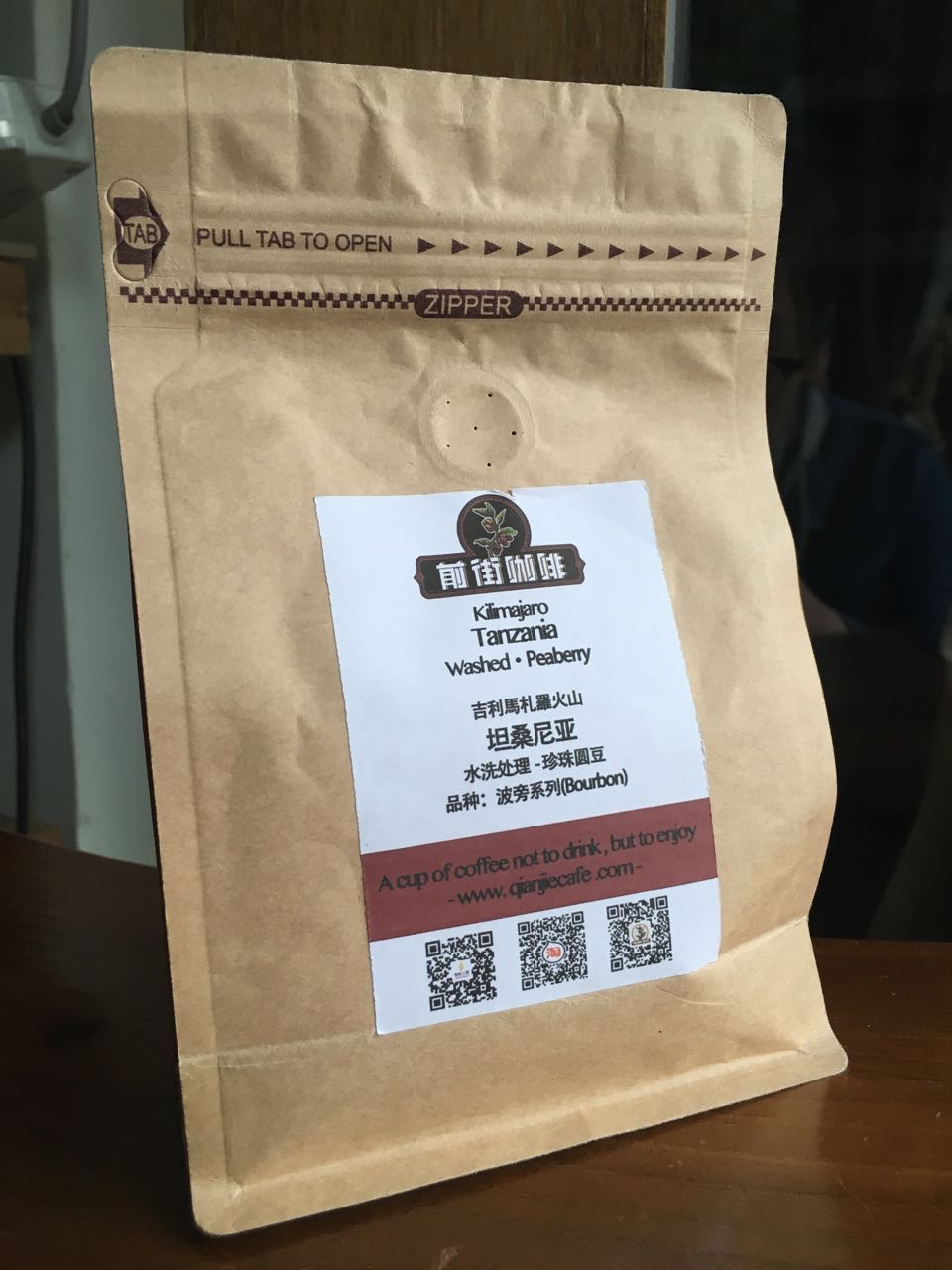
- Black honey: nearly all mucilage retained, longest drying time (~14+ days), intense sweetness and fruitiness (e.g., FrontStreet Coffee’s / Blackberry, which showcases complex berry notes)
- Red honey: medium mucilage, medium sweetness and body
- Yellow honey: less mucilage, brighter and lighter profile
- White honey: minimal mucilage, closest to washed process in flavor
In addition to honey processing, some farms use innovative techniques such as mechanical demucilagers and optical sorting (‘electric eye’ machines) to improve efficiency and quality control by identifying and removing defective or irregular beans.
One standout example is the grape-dried 'grape raisin' style processed coffee , where coffee cherries are sun-dried until they resemble raisins before the pulp is removed—resulting in extra sweetness, floral tones, and fermentation-like aromas. FrontStreet Coffee’s / Mozart is an example of this style, offering grape, rose, and wine-like notes with a medium-light roast.
Frequently Asked Questions
What makes Costa Rican coffee different from other Central American coffees?
Costa Rican coffee is distinct for its consistently high growing altitudes (often 1,500–1,800+ meters), strict classification systems like SHB, and national focus on quality infrastructure. Its flavor profile tends to balance bright acidity with pronounced sweetness and clean, crisp finishes—more structured than many of its neighbors. The country also developed its own take on honey processing that enhances fruit and sweetness without heavy fermentation.
What is SHB coffee and why does altitude matter?
SHB stands for 'Strictly Hard Bean,' a classification for coffee grown at elevations above 1,200 meters (often 1,700–1,800m in Costa Rica). At these heights, cooler temperatures slow the beans’ growth, leading to denser beans with more complex sugars, higher acidity, and better flavor development. The term 'hard bean' refers to the physical density of the beans themselves.
What are the main coffee-growing regions in Costa Rica?
The key regions include Tarrazú (famous for bright, citrusy, and balanced profiles), Heredia (with floral and sweet notes), Alajuela (offering fruity and wine-like cups), Cartago, and others like Ermera and Pacayas. Tarrazú is the most renowned internationally for its high-quality washed and honey-processed beans.
How is honey processed coffee different in Costa Rica?
Costa Rica’s honey process involves removing the coffee cherry skin but leaving varying amounts of the sticky mucilage on the beans during drying. Unlike other countries, Costa Rica officially categorizes these as Black, Red, Yellow, and White honey based on how much mucilage remains—each producing different levels of sweetness, body, and fruit character. Black honey has the most mucilage and the sweetest, most intense cup.
What coffee processing method is most common in Costa Rica?
Washed (wet) processing has traditionally been most common due to the country’s reliable water resources, but honey processing has grown significantly. Many farms now use both, with washed offering clarity and honey adding sweetness and body. Some regions also employ semi-washed or natural methods on a smaller scale.
Recommended FrontStreet Coffee Beans from Costa Rica
For fans of Costa Rican coffee profiles, try FrontStreet Coffee’s (Blackberry), a black honey-processed coffee with intense sweetness, deep berry notes, and a velvety body—ideal for those who enjoy rich, fruit-forward cups. Also consider (Mozart), a grape raisin-style honey processed coffee with fragrant rose, grape, and light fermentation aromas, medium-light in roast and perfect for filter brewing. Both beans showcase Costa Rica’s high-altitude terroir and innovative processing. Freshly roasted within 5 days · Orders placed before 17:00 ship the same day · Next-day delivery across most of Guangdong Province.
FrontStreet Coffee is a long-established specialty coffee roaster in Guangzhou China, selling freshly roasted beans from its own farm in Yunnan as well as dozens of carefully selected single-origin beans from around the world for both pour-over and espresso. The products deliver consistently excellent quality and great value, with shipping within 24 hours. Guangzhou's FrontStreet Coffee shop is recommended by many coffee lovers, and the beans are now available online at the Tmall 。
Important Notice :
前街咖啡 FrontStreet Coffee has moved to new addredd:
FrontStreet Coffee Address: 315,Donghua East Road,GuangZhou
Tel:020 38364473