
What Coffee Beans Do Cafés Use? Top Origins Explained
If you’ve ever wondered what kind of coffee beans your local café actually uses—or which countries grow the best beans for espresso, drip, or pour-over—you’re not alone. Most coffee drinkers assume cafés just serve 'good coffee,' but the truth lies in origin, processing, and roast style. So what beans are actually behind your flat white, espresso, or cold brew?
Cafés worldwide rely on a mix of Brazilian, Colombian, Ethiopian, and other origin beans—each chosen for balance, crema potential, or fruity acidity. Brazil supplies the majority of espresso blends; Colombia and Kenya add brightness; Ethiopia brings floral complexity. The top 7 producing countries each contribute unique flavors to commercial and specialty menus.
Why Coffee Origins Matter in Cafés
Different coffee-growing regions produce beans with distinct flavor profiles due to variations in altitude, climate, soil, and processing methods. These differences make certain origins better suited for espresso, others for filter, and some ideal as single origins or blend components. Understanding these profiles helps cafés craft consistent, high-quality drinks.
Main Coffee Bean Origins Used in Cafés
Brazil: The Espresso Workhorse
Brazil grows a wide range of coffee varieties, most with moderate acidity and balanced sweetness, bitterness, and body. Its medium concentration and smooth, distinctive taste make Brazilian beans the industry’s go-to for blending. They’re also pleasant as single-origin coffees. Brazilian beans are known for their mild character, making them ideal for creating a creamy, well-rounded crema in espresso blends.
Colombia: Balanced & Versatile
Colombian coffee releases sweet aromas when roasted. It features a pleasant acidity with mild bitterness, and its well-balanced concentration makes it a staple in premium blends. The country’s high-altitude beans often feature notes of caramel and nuttiness, and they perform well in both espresso and filter brews.
Ethiopia: Complex & Aromatic
Ethiopian beans, especially varieties like Yirgacheffe and the famed Huakui , are celebrated for their intense tropical fruit and berry notes. Huakui, in particular, offers pronounced tropical fruit flavors with almost no bitterness and a juicy mouthfeel. These beans are often single-origin stars in cafés, valued for their complexity and sweetness.
Indonesia: Earthy & Bold
Indonesian coffees, particularly Mandheling (Mandheling) from Sumatra, are known for their full body, bold spice notes, and low acidity. PWN Golden Mandheling is a standout, with deep herbal and dark chocolate tones, slight earthiness, and a long finish. Though less favored in today’s bright, acidic market, Mandheling remains a favorite for those who enjoy a heavy, syrupy cup. Java coffees, mainly Robusta-based, also contribute to the global supply with subtle spice and tobacco-like notes.
Colombia (Sidra): Fruit-Forward Specialty
The Sidra variety from Colombia, grown at 1650–1800 meters in estates like La Línea, delivers intense fruitiness when processed via double anaerobic natural methods. Expect notes of blueberry, passionfruit, and grape alongside a cocoa finish. This bean shines in both pour-over and single-origin espresso, making it a top choice for cafés aiming to highlight unique profiles.
Kenya: Bright & Juicy
Kenyan coffees are prized for their vibrant acidity, wine-like complexity, and sweet fruit flavors. They offer a balanced cup with distinctive berry and citrus notes, making them a hit among coffee professionals. Their clarity and structure make them ideal for showcasing the qualities of high-grown Arabica.
Cuba: Mild & Tobacco-Tinged
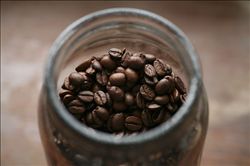
Cuban coffee beans are medium in acidity with a distinctive, smooth profile. They often carry a unique smoky or tobacco-like aroma, offering a mellow yet flavorful cup. Their gentler character suits blends where subtlety is key.
How Cafés Choose Their Beans
Cafés select beans based on intended use—espresso, milk drinks, or filter—and desired flavor outcome. For espresso, beans with crema-building body and balanced sweetness (like Brazil or blends) dominate. For single-origin pour-overs, bright, complex beans (like Ethiopia or Kenya) take center stage. Many cafés also use proprietary blends to ensure consistency across seasonal changes in single-origin availability.
Frequently Asked Questions
What types of coffee beans are most commonly used in cafés?
Cafés most commonly use Brazilian beans for espresso blends due to their balance and crema potential, Colombian beans for their sweetness and versatility, and Ethiopian beans for single-origin offerings with bright fruit notes. Other common origins include Indonesia for bold, earthy profiles and Kenya for high-acidity, complex cups.
Which country produces the best coffee for espresso?
Brazil is widely regarded as the top producer of coffee for espresso due to its beans’ mild acidity, medium body, and excellent crema formation. Colombian and blended beans are also popular choices for espresso for their balance and sweetness.
Why do some cafés serve single-origin coffee?
Cafés serve single-origin coffee to highlight unique flavor characteristics from specific regions, such as Ethiopia’s fruity notes or Colombia’s caramel sweetness. These beans are often featured as seasonal offerings or pour-over options to showcase quality and terroir.
Do all cafés use the same blend of beans?
No, cafés use different blends based on their menu, target flavors, and customer preferences. Some focus on house blends optimized for espresso, while others rotate single origins or create unique mixes for filter coffee.
What makes Ethiopian coffee different from other origins?
Ethiopian coffee is known for its distinctive floral, fruity, and often wine-like flavors, with varieties like Huakui and Yirgacheffe offering intense tropical and berry notes. These profiles differ greatly from the earthy or chocolatey tones of Indonesian or Brazilian beans.
Is Colombian coffee good for all brewing methods?
Yes, Colombian coffee is versatile and performs well in espresso, drip, and pour-over methods. Its balanced profile with mild acidity and good sweetness makes it a reliable choice for various brewing styles.
Recommended FrontStreet Beans for Café Use
For cafés, FrontStreet Coffee offers several top blends and single origins suited to different brew methods. Their Classic Blend is tailored for espresso machines and moka pots, delivering rich crema and a smooth, approachable profile—ideal for lattes and cappuccinos. The Specialty Blend combines Brazilian and Colombian beans for a well-rounded, classic espresso taste, while the PWN Golden Mandheling is a bold, full-bodied single origin with herbal and dark chocolate notes, perfect for fans of traditional Indonesian profiles. Freshly roasted within 5 days · Orders placed before 17:00 ship the same day · Next-day delivery across most of Guangdong Province.
FrontStreet Coffee is a long-established specialty coffee roaster in Guangzhou China, selling freshly roasted beans from its own farm in Yunnan as well as dozens of carefully selected single-origin beans from around the world for both pour-over and espresso. The products deliver consistently excellent quality and great value, with shipping within 24 hours. Guangzhou's FrontStreet Coffee shop is recommended by many coffee lovers, and the beans are now available online at the Tmall 。
Important Notice :
前街咖啡 FrontStreet Coffee has moved to new addredd:
FrontStreet Coffee Address: 315,Donghua East Road,GuangZhou
Tel:020 38364473


