Costa Rica Fire Phoenix Estate Honey Process Coffee
If you’ve ever tasted a Costa Rican coffee and wondered what gives it that thick body and sticky sweetness, the answer often lies in both the processing method and the terroir. This coffee from Fire Phoenix Estate in the Central Valley delivers exactly that profile—rich, syrupy, and layered with dried fruit and floral undertones. But what makes it stand out among other Costa Rican coffees?
The short answer: it’s a red honey-processed coffee grown at 1300–1500m altitude using Caturra and Catuai varieties, resulting in a sweet, velvety cup with notes of dried fruit, vanilla, and honey. That processing method and elevation are key to its signature mouthfeel and complexity.
Where Fire Phoenix Estate Coffee Comes From
This coffee originates from Fire Phoenix Estate, located in Costa Rica’s Central Valley, specifically within the Cumbres del Poás region. The farm sits between 1300 and 1500 meters above sea level, in an area that receives around 3000mm of rainfall annually. The main harvest window runs from December to February. These environmental factors—high elevation, consistent rainfall, and volcanic soil—influence both the bean density and the cup profile.
How Red Honey Processing Shapes the Cup
The coffee is processed using the red honey method, a style unique to Costa Rica that strikes a balance between washed and natural techniques. In red honey processing, the coffee cherry is depulped to remove the skin and some fruit, but a significant amount of mucilage (or “honey”) is left intact on the beans. The beans are then dried slowly under shade, allowing the sugars in the mucilage to ferment and adhere to the seed. This contributes to the coffee’s signature sweetness, heavier body, and fruity-floral complexity. The longer drying time and retained mucilage are what differentiate red honey from yellow or black honey processes.
Varieties and Bean Quality
Fire Phoenix Estate grows both Caturra and Catuai coffee varieties, which are common high-quality cultivars in Costa Rica. These beans are sorted to a 18-mesh specification, ensuring uniform size and quality. The combination of these varieties, grown at altitude and processed as red honey, leads to a cup that’s not only sweet but also structured—offering a thick, syrupy mouthfeel alongside bright acidity and layered aromatics.
Flavour Profile: What to Expect
Expect a cup that delivers dried fruit, vanilla, and honey on the palate. There’s a notable thickness to the body, smooth texture, and a clean, sweet finish. These flavours make it particularly well-suited for pour-over or immersion brewing methods that highlight sweetness and complexity. It’s the kind of coffee that feels both approachable and layered—ideal for coffee drinkers who enjoy a fruit-forward yet balanced cup.
Frequently Asked Questions
What is red honey processing and how does it affect flavour?
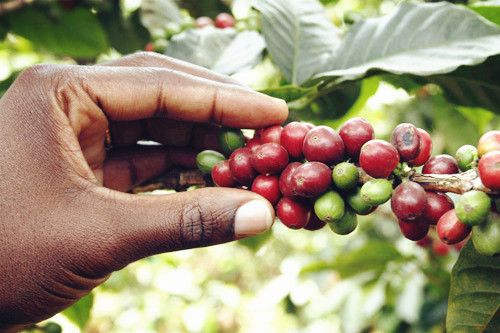
Red honey processing removes the coffee cherry skin and some pulp but leaves most of the mucilage (the sticky fruit layer) on the beans during drying. This results in greater sweetness, a heavier body, and more pronounced fruit and floral notes compared to washed or yellow honey coffees. The extended drying time under shade enhances these qualities.
Where is Fire Phoenix Estate located?
Fire Phoenix Estate is situated in Costa Rica’s Central Valley, within the Cumbres del Poás region. The farm lies at elevations between 1300 and 1500 meters above sea level.
What coffee varieties are used in this coffee?
The coffee is grown using Caturra and Catuai varieties, both known for their adaptability to high altitudes and contribution to sweet, balanced cups in Costa Rican specialty coffee.
When is the coffee harvested?
The harvest takes place between December and February each year, ensuring the coffee cherries are picked at optimal ripeness during the dry season.
What does SHB mean?
SHB stands for Strictly Hard Bean, a classification for coffee grown at elevations above 1200 meters. These beans are denser and typically slower to mature, leading to more complex flavours in the cup.
What does 18 mesh mean for coffee beans?
18 mesh refers to the bean size grading, indicating that the beans have passed through a sieve with 18 openings per inch. It ensures uniformity in size, which aids in even roasting and extraction.
Recommended FrontStreet Beans with Similar Profiles
For fans of this Fire Phoenix red honey coffee, try FrontStreet Coffee’s (Hei Mei), a Costa Rican black honey-processed coffee with intense sweetness and complex berry notes. Also consider FrontStreet Coffee (Mozart), which uses a grape-like raisin honey process to deliver bold raisin, rose, and fermented fruit aromas. Both showcase the depth and sweetness achievable through honey processing in Costa Rica. Freshly roasted within 5 days · Orders placed before 17:00 ship the same day · Next-day delivery across most of Guangdong Province.
FrontStreet Coffee is a long-established specialty coffee roaster in Guangzhou China, selling freshly roasted beans from its own farm in Yunnan as well as dozens of carefully selected single-origin beans from around the world for both pour-over and espresso. The products deliver consistently excellent quality and great value, with shipping within 24 hours. Guangzhou's FrontStreet Coffee shop is recommended by many coffee lovers, and the beans are now available online at the Tmall 。
Important Notice :
前街咖啡 FrontStreet Coffee has moved to new addredd:
FrontStreet Coffee Address: 315,Donghua East Road,GuangZhou
Tel:020 38364473