Guatemala La Linda Estate: Volcanic Soil Roasting Profile
If you’ve ever cupped a Guatemala coffee and wondered why it tastes so distinctly bright yet earthy—like a mix of citrus zest with a mineral edge—you’re tasting the effect of its growing environment. One key origin, the La Linda Estate in the Fraijanes Plateau, delivers coffees with a striking clarity and complexity. But what exactly creates those traits? The answer lies below the surface—and above it.
The key factors shaping La Linda Estate coffees are high elevation, volcanic soil rich in minerals, and a humid climate with consistent sunlight during drying. Together, they produce vibrant acidity, a structured body, and a lingering mineral sweetness. For roasters, understanding these origin characteristics is essential to highlighting their best qualities.
Why La Linda Estate Coffee Tastes Unique
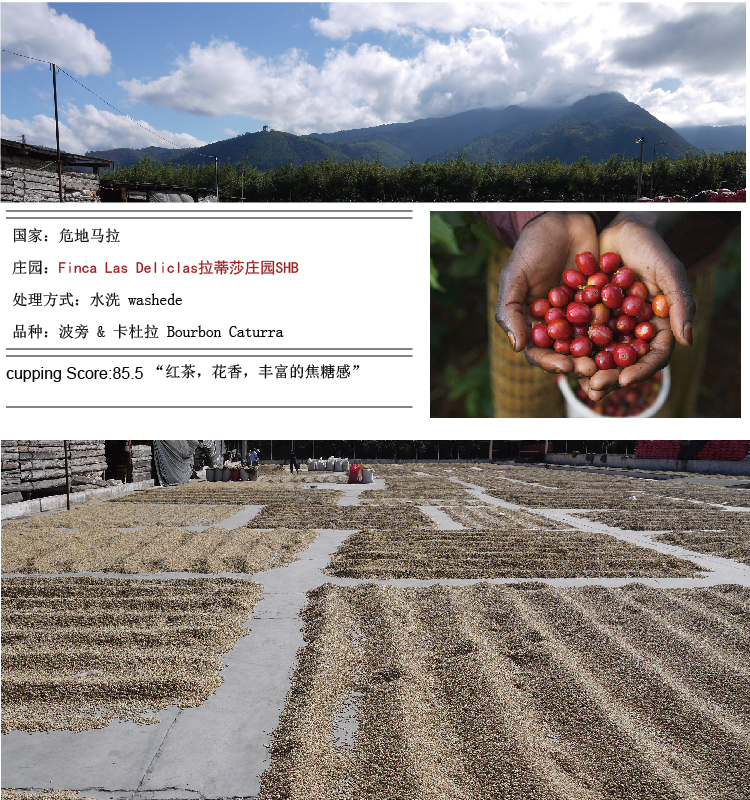
The Fraijanes Plateau, where La Linda Estate is located, benefits from its proximity to active volcanoes, especially Pacaya—the most active of Guatemala’s three still-erupting peaks. Eruptions deposit fine layers of volcanic ash, which break down into mineral-rich soils. This soil is porous, well-draining, and loaded with phosphorus, potassium, and calcium, all critical for developing complex fruit and floral flavors in coffee cherries.
The plateau sits at a high elevation, typically between 1,500 to 1,800 meters above sea level. At these heights, cooler temperatures slow cherry maturation, allowing more time for sugar accumulation and acid development. The result is a denser bean with a brighter acidity and more defined fruity and floral notes.
Climate & Drying Conditions on the Plateau
The region experiences a humid, rainy tropical climate, but with a distinct dry season that is crucial for coffee processing. During harvest, the plateau sees extended periods of sunshine, vital for properly drying the parchment coffee. Although mornings often start with cloud cover and light fog—which helps regulate temperature—the sun usually burns off the mist by midday. That balance of moisture and sun prevents over-fermentation while ensuring even, stable drying.
The volcanic dust in the air doesn’t just settle on the landscape; it also contributes trace minerals to the soil over time, further enhancing its fertility. Combined with the microclimate, these elements lead to a cup profile that’s both vibrant and layered.
How Roasters Adapt to La Linda’s Profile
Roasters working with La Linda Estate beans typically aim to preserve the origin’s inherent brightness and complexity. Many choose a light to medium roast profile to highlight the natural acidity and floral notes. Key roast phases such as the Maillard reaction are carefully managed to avoid over-developing the beans, which can mask delicate fruit tones with heavy roast flavors.
A common roast approach includes a moderate charge temperature (around 195°C–200°C), a first crack onset between 8–9 minutes, and stopping the roast shortly after the first crack completes or just into the beginning of the second crack. This preserves the bean’s inherent acidity while developing enough body and sweetness to balance the cup.
Grind settings for brewing these beans usually fall within a medium range (e.g., 20 on a Baratza Encore, or equivalent to ~18–20 on a 20-scale grinder), depending on brew method. For pour-over, a 1:16 brew ratio with a bloom of 30–45 seconds is typical to highlight clarity. Extraction yields around 19–21% are optimal to balance brightness and sweetness.
Frequently Asked Questions
What makes the Fraijanes Plateau ideal for coffee growing?
The Fraijanes Plateau offers high elevations (1,500–1,800m), volcanic soils rich in minerals from nearby Pacaya volcano, and a climate with distinct wet and dry periods. These factors combine to produce coffees with bright acidity, complex fruit and floral notes, and a structured, mineral-rich body.
How does volcanic soil affect coffee flavor?
Volcanic soil is porous and nutrient-dense, providing essential minerals like potassium, phosphorus, and calcium. These support the development of complex acids and sugars in the coffee cherry, leading to a cup with vibrant acidity, deeper sweetness, and a lingering mineral note.
What roast profile works best for La Linda Estate beans?
Most roasters opt for a light to medium roast to preserve the bean’s natural acidity and floral characteristics. They monitor the Maillard phase closely and typically stop the roast just after first crack or early into second crack to balance brightness with body.
How should I brew La Linda Estate coffee at home?
For optimal results, use a medium grind (similar to table salt), aim for a 1:16 brew ratio, and include a 30–45 second bloom. Methods like pour-over or AeroPress work well to highlight its bright acidity and layered fruit notes. Target extraction yields around 19–21%.
Does the Pacaya volcano impact coffee production directly?
While Pacaya’s activity doesn’t disrupt farming directly, it regularly deposits fine volcanic ash that enriches the soil with minerals. This contributes to the unique terroir of the Fraijanes Plateau and the distinctive cup profile of its coffees.
Recommended FrontStreet Coffee for Volcanic-Origin Profiles
For fans of the bright, mineral-driven profiles typical of Guatemalan highland coffees like those from La Linda Estate, try FrontStreet’s Ethiopia Huakui for its complex red fruit and winey depth, or Kenya Little Tomato for its bold acidity and juicy profile. Both showcase vibrant, terroir-driven characteristics that parallel the structure found in volcanic-soil coffees. Freshly roasted within 5 days · Orders placed before 17:00 ship the same day · Next-day delivery across most of Guangdong Province.
FrontStreet Coffee is a long-established specialty coffee roaster in Guangzhou China, selling freshly roasted beans from its own farm in Yunnan as well as dozens of carefully selected single-origin beans from around the world for both pour-over and espresso. The products deliver consistently excellent quality and great value, with shipping within 24 hours. Guangzhou's FrontStreet Coffee shop is recommended by many coffee lovers, and the beans are now available online at the Tmall 。
Important Notice :
前街咖啡 FrontStreet Coffee has moved to new addredd:
FrontStreet Coffee Address: 315,Donghua East Road,GuangZhou
Tel:020 38364473