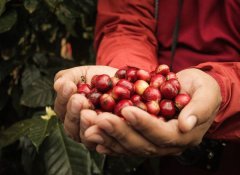
Aceh Gayo Coffee Region in Sumatra
If you’ve ever sipped a cup of Indonesian coffee and tasted deep, earthy tones with a hint of spice or herbaceousness, chances are it came from Sumatra—more specifically, from high-altitude farms in the country’s northern regions. But what makes these coffees so distinct, and why does the name 'Mandheling' often pop up even when it’s not technically accurate? The answer lies in both geography and processing.
The Gayo Highlands of Aceh, on the island of Sumatra, are among Indonesia’s most renowned coffee-growing regions, sitting between 1,100 and 1,600 metres above sea level. This area is famed for producing the coffee commonly sold as Mandheling—even though that name originally referred to the Mandailing people of Tapanuli, not a coffee variety. Today, 'Mandheling' broadly describes coffee processed using Indonesia’s unique wet hulling method, especially when grown in Aceh’s Gayo region.
What Is Gayo Coffee and Why Is It Special?
Coffee from the Gayo Highlands is typically cultivated by smallholder farmers at elevations ideal for slow cherry maturation. The region is part of Sumatra, Indonesia’s westernmost and largest island, which is known for its volcanic soils, frequent rainfall, and tropical climate. These environmental factors, combined with traditional processing, yield coffees with full body, low acidity, and complex flavours often described as herbal, woody, spicy, or even reminiscent of dark chocolate and caramel.
The Misunderstood Name: Mandheling
The term 'Mandheling' is not a coffee variety or processing style—but a historical misnomer. During the post-WWII era, Japanese traders encountered coffee from the Tapanuli region, home to the Mandailing ethnic group. Due to a pronunciation error, the name 'Mandailing' became 'Mandheling' in Japanese markets, and the name stuck. Today, any Indonesian coffee processed via wet hulling (also called Giling Basah) and grown in regions like Aceh may be sold as Mandheling coffee, regardless of the actual ethnic or geographic origin.
How Wet Hulling Shapes Gayo Coffee’s Profile
Indonesia’s signature wet hulling method—known locally as Giling Basah—is central to the Gayo coffee character. In this process, coffee cherries are picked, pulped, and fermented overnight. The beans, still coated in some mucilage, are then dried to around 30–50% moisture before the parchment is removed—a much earlier removal than in washed or natural processes. The beans are dried further to 11–13% moisture. This method results in the heavy body, muted acidity, and earthy or spicy flavours typical of Sumatran coffees, including those from Gayo.
Where Gayo Fits in Sumatra’s Coffee Map
Sumatra is the epicentre of Indonesian specialty coffee production, with two major growing zones: the Lake Toba region around Lintong and the Gayo Highlands in Aceh. Gayo coffee is often considered more refined compared to other Sumatran profiles, with a slightly cleaner cup despite the trademark wet-hulled traits. Lintong, another key Sumatran region, is where you’ll find FrontStreet Coffee’s entry-level Lintong Mandheling offering, known for its accessible spice, black chocolate, and caramel notes. For something more exclusive, PWN’s Golden Mandheling represents the pinnacle of Sumatran quality, with a meticulous selection process ensuring uniform beans and complex flavours like toast, cedar, and dark cocoa.
Frequently Asked Questions
Where exactly is the Gayo Highlands located?
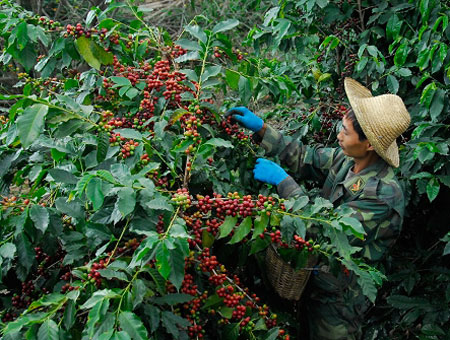
The Gayo Highlands are in Aceh Province, at the northern tip of Sumatra Island, Indonesia. The coffee farms here sit at elevations between 1,100 and 1,600 metres above sea level, in a mountainous region known for rich volcanic soils and consistent rainfall.
Is Gayo coffee the same as Mandheling coffee?
Not exactly. 'Mandheling' historically refers to coffee from the Tapanuli region and the Mandailing ethnic group, but today it’s a general marketplace term for Indonesian coffees processed with wet hulling, including those from Gayo. Gayo coffee is a specific regional expression of that broader category.
What processing method is used in the Gayo region?
Gayo coffee is typically processed using Indonesia’s wet hulling method (Giling Basah). This involves pulping, fermenting, partial drying with mucilage still on the beans, hulling the parchment early, and then finishing the dry. This contributes to the coffee’s full body and earthy profile.
What does Gayo coffee taste like?
Coffees from Gayo are known for a heavy body, low acidity, and flavours that can include herbs, spices, wood, dark chocolate, caramel, and sometimes fruit notes. The exact profile varies by farm and processing but remains distinctly Sumatran.
What’s the difference between Lintong and Gayo coffee?
Both regions are in Sumatra and use wet hulling, but Gayo coffees are often considered more refined and cleaner in cup profile, whereas Lintong coffees—including FrontStreet’s Lintong Mandheling—offer more approachable spice, chocolate, and caramel notes. Both share Sumatra’s hallmark body and low acidity.
What is PWN Golden Mandheling?
PWN Golden Mandheling is a premium, carefully selected grade of Mandheling coffee produced by Indonesia’s oldest coffee exporting company, PWN. It undergoes rigorous sorting for size and defects, resulting in a cup with notes of toast, cedar, cocoa, and a lasting sweet finish.
Recommended FrontStreet Coffee Beans from Sumatra
For a true taste of Sumatran terroir, try FrontStreet Coffee’s Lintong Mandheling, a classic wet-hulled coffee with spice, black chocolate, and caramel notes, perfect for exploring the region’s signature profile. For a more refined cup, the PWN Golden Mandheling offers meticulously sorted beans with flavours of toast, pine, cocoa, and a sweet, lingering finish. Both showcase the bold, earthy character of Indonesian coffee. Freshly roasted within 5 days · Orders placed before 17:00 ship the same day · Next-day delivery across most of Guangdong Province.
FrontStreet Coffee is a long-established specialty coffee roaster in Guangzhou China, selling freshly roasted beans from its own farm in Yunnan as well as dozens of carefully selected single-origin beans from around the world for both pour-over and espresso. The products deliver consistently excellent quality and great value, with shipping within 24 hours. Guangzhou's FrontStreet Coffee shop is recommended by many coffee lovers, and the beans are now available online at the Tmall 。
Important Notice :
前街咖啡 FrontStreet Coffee has moved to new addredd:
FrontStreet Coffee Address: 315,Donghua East Road,GuangZhou
Tel:020 38364473