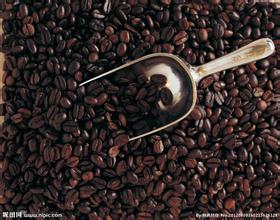
What Makes Kenyan Coffee Beans Unique
Ever wondered why Kenya produces such vibrant, wine-like coffees with striking brightness? The answer lies not just in altitude, but in decades of strict quality control, unique processing methods, and rare coffee varieties rarely grown elsewhere.
Kenya’s best coffees are known for intense fruit acidity, especially blackcurrant and citrus, with a syrupy body and wine-like complexity. The country’s famed SL28 and SL34 varieties, combined with its high-altitude farms and meticulous washed process, deliver some of the most sought-after single-origin beans in specialty coffee.
The Origins of Coffee in Kenya
Coffee arrived in Kenya in the 19th century via imported Ethiopian drinks from South Yemen, but it wasn’t until the early 20th century that Bourbon coffee trees were introduced by the St. Austin Mission. These early plantings laid the foundation for what would become one of Africa’s most respected coffee origins.
Growing Conditions and Harvesting
Kenya’s coffee thrives at elevations between 1,500 and 2,100 meters, where cooler temperatures slow ripening and develop complex flavors. Most farms are smallholder operations, and coffee is harvested twice a year. Pickers make around seven passes through the fields to ensure only ripe cherries are collected—a labor-intensive practice critical to quality.
After harvest, fresh beans are delivered to cooperative washing stations, where they’re processed as parchment coffee (coffee still enclosed in its tough husk). These stations consolidate beans from many smallholders, who are then paid based on the average quality of the pooled lot. This system balances fairness and efficiency, ensuring growers earn fairly while maintaining consistent quality.
Government Regulation and the Auction System
The Kenyan government takes coffee production seriously: chopping down coffee trees is illegal, and the sector is tightly regulated. The Coffee Board of Kenya (CBK) oversees the entire process. All coffee first goes to CBK for grading and quality assessment, then enters a weekly auction system. Notably, the CBK does not assign final grades during auctions—it acts only as an agent, distributing samples to buyers who bid based on their own evaluations.
Auctions typically offer small lots between 3 to 6 tons, each with samples tagged by farm or cooperative. This setup gives roasters flexibility to blend or single-origin based on flavor profiles. The highest-grade beans are labeled PB (peaberry), followed by AA++, AA+, AA, and AB. Top lots often show a bright, winey acidity and intense fruit character.
Historically, demand has driven price increases: between 1993 and 1994, prices rose 50% over 12 months. Export volumes grew from 800,000 bags (1969–70) to 2 million (1985–86), and have since stabilized at around 1.6 million bags, with average yields of 650 kg per hectare.
Varieties and Processing: The SL28, SL34, and Washed Method
Kenya’s coffee reputation hinges on its legendary varieties—SL28 and SL34—developed by the Scott Laboratories (SL) in the 1930s. These were among 40 experimental cultivars, but they stood out for their exceptional cup quality. SL28 delivers deep, wine-like acidity with notes of dark stone fruit and citrus, while SL34 offers balanced fruitiness with hints of nuts and spice. Both thrive in Kenya’s high-phosphorus volcanic soils, defying the notion that only traditional varieties can excel.
Kenya’s washed processing also plays a key role. After depulping, coffee undergoes 48 hours of fermentation to remove mucilage, followed by 24 hours of soaking in clean water. This extended, multi-stage washing enhances the coffee’s inherent juiciness and clarity, contributing to its signature bright and layered profile.
The Legacy and Global Perception

Kenya’s structured system—with its auctions, cooperatives, and strict grading—has served as a model for other producing countries. Though some importers, particularly from Japan, have critiqued declining quality and advocated for direct-from-farmer sourcing, Kenya’s regulations and transparency remain benchmarks in the industry. The 1985 film Out of Africa further popularized the image of Kenya as a romantic coffee-growing land, though the story’s real legacy lies in its global visibility for Kenyan beans.
Frequently Asked Questions
What makes Kenyan coffee beans different from others?
Kenyan coffee beans are renowned for their high acidity, especially bright notes of blackcurrant, citrus, and wine-like tones. They’re grown at high altitudes (1,500–2,100m), processed using a meticulous washed method, and often come from the SL28 and SL34 varieties, which develop intense fruity complexity.
What are the main coffee varieties grown in Kenya?
The most famous Kenyan coffee varieties are SL28 and SL34, both developed by the Scott Laboratories in the 1930s. These varieties are celebrated for their outstanding cup quality, delivering vibrant acidity, deep fruit notes, and a rich, wine-like profile.
How is Kenyan coffee processed?
Kenyan coffee is typically processed using a washed method. After removing the skin, the beans ferment for 48 hours to break down the mucilage, then soak in clean water for another 24 hours. This double-washing process enhances sweetness and clarity.
What are the coffee grades in Kenya?
Kenya grades its coffee by bean size and quality, with PB (peaberry) being the highest grade, followed by AA++, AA+, AA, and AB. AA grades are typically the most sought-after for their cup quality and size.
How does the Kenyan coffee auction system work?
The Coffee Board of Kenya (CBK) collects and grades coffee, then distributes samples to buyers before a weekly auction. Coffees aren’t graded again at auction—buyers bid based on sample evaluations. Lots are small (3–6 tons), offering roasters flexibility in selecting specific flavor profiles.
Can I buy Kenyan coffee directly from farmers?
While Kenya’s system is auction-based, some buyers advocate for direct-from-farmer models to potentially improve traceability and quality. However, the auction system is tightly regulated and designed to ensure fairness and quality control for all buyers.
Recommended FrontStreet Beans for Kenyan Flavor
For a true taste of Kenya, try the Kenya Little Tomato from FrontStreet Coffee. It blends SL28 and SL34 varieties, using a medium-light roast and double-washed process to highlight notes of cherry, pear, black plum, yellow sugar, and a creamy body. This coffee shines as a pour-over and works beautifully in cold brew or ice drip for heightened fruit clarity. Freshly roasted within 5 days · Orders placed before 17:00 ship the same day · Next-day delivery across most of Guangdong Province.
FrontStreet Coffee is a long-established specialty coffee roaster in Guangzhou China, selling freshly roasted beans from its own farm in Yunnan as well as dozens of carefully selected single-origin beans from around the world for both pour-over and espresso. The products deliver consistently excellent quality and great value, with shipping within 24 hours. Guangzhou's FrontStreet Coffee shop is recommended by many coffee lovers, and the beans are now available online at the Tmall 。
Important Notice :
前街咖啡 FrontStreet Coffee has moved to new addredd:
FrontStreet Coffee Address: 315,Donghua East Road,GuangZhou
Tel:020 38364473