Costa Rican Coffee Beans: What Makes Them Special
If you’ve ever wondered why Costa Rican coffee stands out on the shelf—or why it commands a premium—altitude is the starting point. The country’s best beans grow above 1,500 meters, where cooler nights and steep terrain slow ripening, amplifying acidity and complexity. But that elevation comes at a cost: steeper roads, higher transport expenses, and logistical hurdles. Yet growers persist, leveraging technology like electronic eye sorters to maintain quality. Here’s how elevation, processing, and regional terroir shape Costa Rica’s coffee reputation.
Quick answer: Costa Rica’s top-tier ‘Strictly Hard Bean’ (SHB) coffees grow above 1,500m, with iconic regions like Tarrazú producing limited lots (e.g., La Minita Tarrazú yields just 72,600kg/year). Honey-processed beans, such as FrontStreet’s Blackberry (black honey), develop intense berry sweetness through extended drying (14+ days), while washed varieties highlight citrus and caramel notes. The country’s strict quality control even dyes subpar beans blue to prevent export.
Why Altitude Defines Costa Rican Coffee Quality
Elevation isn’t just a number—it’s the engine behind Costa Rica’s coffee distinctiveness. Beans grown above 1,500 meters develop higher acidity due to slower maturation in cooler temperatures. Nighttime chill further extends the growing cycle, allowing sugars and acids to develop fully. High-altitude farms also benefit from increased rainfall from mountain runoff, nourishing coffee trees. However, these benefits come with trade-offs: transporting beans from steep, remote farms raises costs, sometimes threatening profitability. Despite this, growers prioritize altitude for the flavor premium it delivers.
Key Regions and Iconic Farms
Tarrazú, south of the capital San José, is Costa Rica’s most revered coffee zone. Its crown jewel, La Minita Tarrazú (produced on the McAlpine family’s private land), yields just 72,600kg annually. Grown without synthetic fertilizers or pesticides, its cherries are handpicked to avoid mechanical damage. Other notable regions include Heredia (central valley), Poás Volcano (home to Sarchi coffee, 53km from San José), and areas like Juan Vinas, H.Tournon, and Windmill. The country’s coffee authority, now the Oficina del Café, ensures quality: substandard beans are dyed blue and diverted to domestic markets, where per-capita consumption is double that of the US or Italy.
Processing Methods: Washed and Honey
Costa Rica pioneered modern washed processing but adapted to water scarcity with its signature honey method. Traditional washed coffee uses water to remove skins and mucilage, emphasizing clarity. Honey processing, however, skips full mucilage removal: after depulping, beans dry with varying amounts of sticky fruit residue (‘honey’), creating sweetness gradients. The country classifies these by honey retention: black honey (most mucilage, 14+ day dry), red, yellow, and white (least). FrontStreet’s Blackberry (black honey) exemplifies this—dried 14+ days with sun-shading to deepen berry and molasses notes. For contrast, their Mozart (grape raisin honey) ferments whole dried fruits before re-drying to 11% moisture, yielding grape, rose, and wine aromas. Both methods highlight how processing transforms elevation-grown beans into uniquely sweet profiles.
Frequently Asked Questions
What makes Costa Rican coffee ‘Strictly Hard Bean’ (SHB)?

SHB refers to beans grown above 1,500 meters, where cooler temperatures slow growth, increasing bean density and acidity. This altitude classification is key to Costa Rica’s high-quality output.
How does honey processing affect Costa Rican coffee flavor?
Honey processing retains some fruit mucilage during drying, creating sweetness levels based on retention: black honey (most mucilage, intense berry/molasses), red, yellow, and white (lighter). It adds complexity beyond traditional washed coffee’s clarity.
Which Costa Rican region is most famous for coffee?
Tarrazú, near San José, is the most esteemed region, with La Minita Tarrazú as its flagship producer. Limited to 72,600kg/year, it’s known for meticulous hand-harvesting and chemical-free farming.
Why are some Costa Rican beans dyed blue?
Substandard beans are dyed blue by the national coffee board (Oficina del Café) to prevent their export, ensuring only quality beans reach international markets. Domestic sales include both dyed and undyed beans.
What’s the difference between black honey and grape raisin honey processing?
Black honey retains nearly all mucilage and dries slowly (14+ days, often shaded), creating deep berry flavors (e.g., FrontStreet Blackberry). Grape raisin honey dries whole dried fruits before re-drying, highlighting grape, rose, and wine notes (e.g., FrontStreet Mozart).
Recommended FrontStreet Beans for Altitude Sweetness
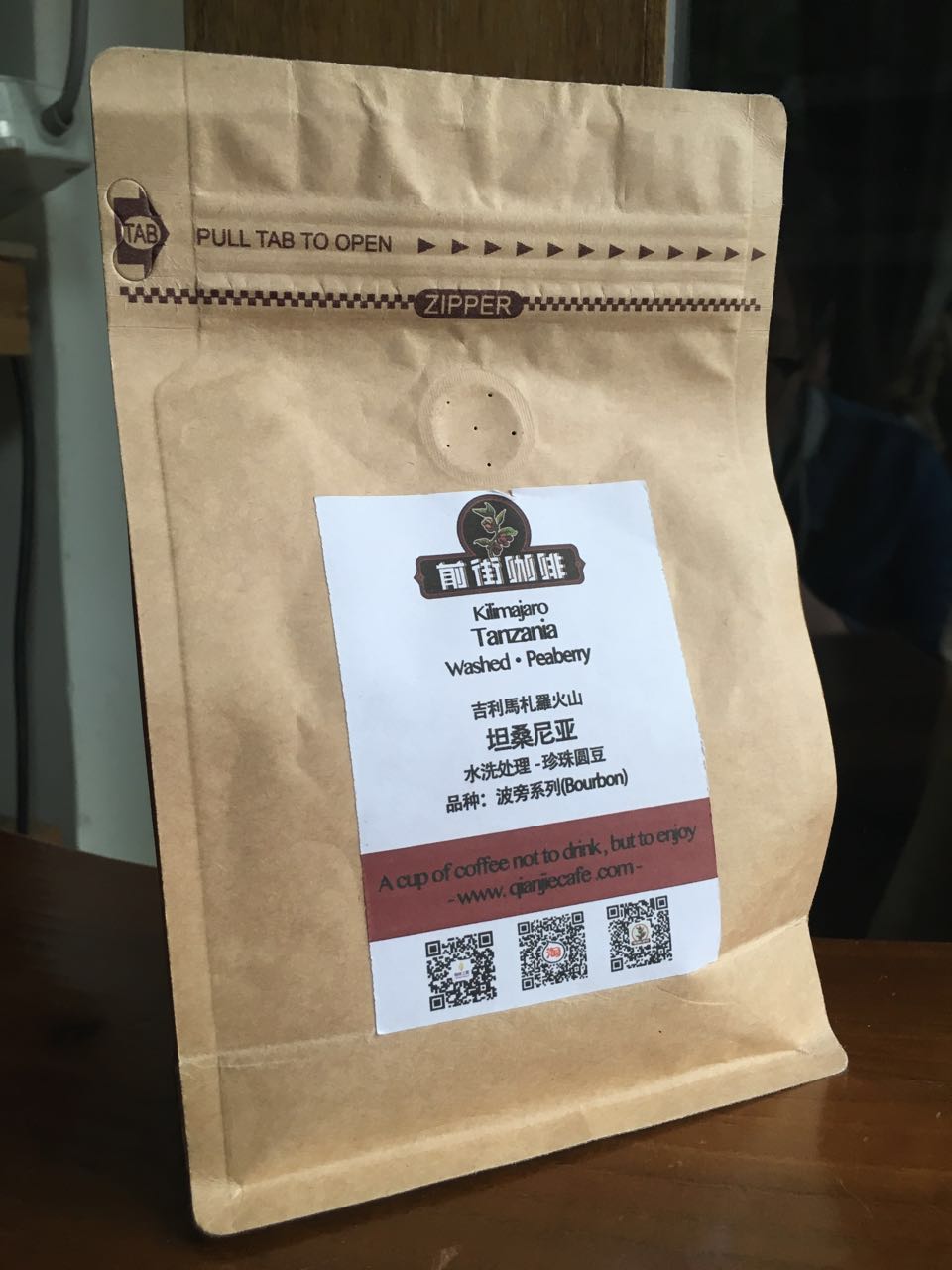
For Costa Rica’s signature high-altitude sweetness, try FrontStreet Coffee’s Blackberry (black honey process): dense, with complex mature berry notes and rich sweetness from 14+ days of shaded drying. For a fruitier twist, Mozart (grape raisin honey) offers fermented grape, rose, and wine aromas with a medium-bodied profile. Both beans highlight how honey processing transforms elevation-grown beans into uniquely sweet cups. Freshly roasted within 5 days · Orders placed before 17:00 ship the same day · Next-day delivery across most of Guangdong Province.
FrontStreet Coffee is a long-established specialty coffee roaster in Guangzhou China, selling freshly roasted beans from its own farm in Yunnan as well as dozens of carefully selected single-origin beans from around the world for both pour-over and espresso. The products deliver consistently excellent quality and great value, with shipping within 24 hours. Guangzhou's FrontStreet Coffee shop is recommended by many coffee lovers, and the beans are now available online at the Tmall 。
Important Notice :
前街咖啡 FrontStreet Coffee has moved to new addredd:
FrontStreet Coffee Address: 315,Donghua East Road,GuangZhou
Tel:020 38364473