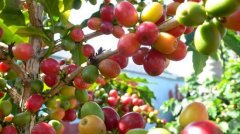
How Kopi Luwak Is Made and Why It Costs So Much
Ever wondered why anyone would pay up to $600 for a 50-gram bag of coffee—or £50 for a single cup? The answer lies in one of the strangest coffee production methods in the world: Kopi Luwak, or civet coffee, where coffee cherries are eaten and fermented in the digestive tract of a wild animal before being excreted as beans. But what’s the real story behind this luxury brew?
Kopi Luwak is coffee processed through the digestive system of the Asian palm civet (locally called Luwak), resulting in uniquely fermented beans that retail for as much as $1,200 per kilogram—or over $100 per cup in some places. Its extreme price comes from rarity, a complex production process, and controversial farming practices.
What Exactly Is Kopi Luwak?
Kopi Luwak originates from Indonesia, where “Kopi” means coffee and “Luwak” refers to the Asian palm civet—a small, nocturnal mammal native to Southeast Asia’s tropical forests. These animals are known for selectively eating ripe coffee cherries, digesting the fruit pulp, and excreting the intact coffee beans. What emerges is a bean that’s been uniquely fermented inside the civet’s gastrointestinal tract, leading to claims of a distinctive flavor profile.
How Did This Strange Coffee Become Famous?
The origins of Kopi Luwak trace back to Dutch colonial Indonesia, where it was supposedly first produced as a way for laborers to sample coffee they weren’t allowed to brew themselves. Over time, it gained notoriety as an oddity—and eventually a luxury. Initially mocked by industry insiders, interest grew after a 2004 feature in National Geographic brought international attention. By then, it had already been served as a curiosity in elite circles and even as a tribute to Dutch royalty.
Why Does Civet Digestion Change the Coffee?
Once the civet eats the coffee cherries, enzymes and digestive acids in its stomach—particularly proteolytic enzymes—partially break down proteins in the coffee bean. Since bitterness in coffee is largely tied to protein content, this process can reduce perceived bitterness. The beans are then excreted, collected, washed, and roasted. Proponents argue that this fermentation yields a smoother, less acidic cup with a syrupy body and unique aromatic qualities. However, scientific backing for these claims varies, and sensory results are highly subjective.
How Much Does Kopi Luwak Really Cost?
Kopi Luwak is among the most expensive coffees in the world:
- A 50-gram pack can cost ¥800 RMB (approx. $120 USD), yielding just 4–5 cups at around ¥200 RMB ($30 USD) per cup.
- In the UK, a single cup goes for £50 (approx. $60 USD).
- In the US, prices reach up to $1,200 per kilogram.
- At the 2010 Shanghai Expo, a 12-gram cup brewed by the Indonesian company PT. Kartika Cipta Prima (via the Fire Ship Group) sold for ¥380 RMB (approx. $60 USD), limited to 12 cups per day.
- Bali cafes have charged over 200,000 IDR (approx. $150 USD) per cup.
- Online retailers like Shangpin Coffee sell 50g tins for ¥600 RMB (luxury packaged), while 100g goes for over ¥2,000 RMB.
Global annual production is estimated at under 400 kilograms, with wild-sourced beans being especially scarce.
How Is Kopi Luwak Processed Step by Step?
- Selection: Civets, particularly the Asian palm civet, eat only the ripest coffee cherries.
- Digestion: In the civet’s digestive tract, gastric enzymes break down proteins in the beans, altering their chemical structure. The beans’ outer flesh is digested, but the hard inner bean remains intact.
- Excretion: The beans are passed through the civet’s intestines and excreted in feces. They’re then collected from the wild or, more controversially, from caged animals.
- Cleaning: The beans are thoroughly washed to remove any contamination.
- Drying & Roasting: After cleaning, the beans are dried and roasted like regular coffee beans.
Note: Traditionally, only wild civets were used, but today, some producers resort to caging civets and force-feeding them coffee cherries—a practice widely condemned for animal cruelty.
What Does Kopi Luwak Taste Like?
Descriptions of Kopi Luwak’s flavor vary dramatically:
- Positive reports highlight a syrupy body, earthy depth, hints of dark chocolate, spices, and a unique creamy texture. Some even report a cooling aftertaste akin to mint.
- Negative feedback describes it as overly earthy, musty, or even foul—comparable to “drinking manure.”
- Experts note that wild civets tend to choose only the ripest, highest-quality beans, which may contribute to a better cup. However, farmed civets often consume lower-grade Robusta beans, which are more bitter and less desirable.
Common tasting notes include: thick body (near syrup), earthiness, faint sweetness, hints of leather or tobacco, and sometimes a spicy or fermented edge. The aftertaste may bring a cooling sensation, compared to mint lozenges.
Where Does Authentic Kopi Luwak Come From?
Genuine Kopi Luwak is said to come only from wild civets in the highland rainforests of Sumatra (especially the Aceh region), Java, Bali, and Sulawesi, at elevations around 1,000 meters or higher. The most reputable sources claim that only beans from wild, free-roaming civets qualify as true Kopi Luwak. Beans labeled as such but sourced from lowland farms or Vietnam are often considered fake or misleading. In fact, much of what is sold as Kopi Luwak today does not involve wild animals at all.
How Should You Brew Kopi Luwak?
To experience Kopi Luwak at its best:

- Use a siphon (vacuum pot) brewer.
- Brew with 160–180 ml of pure water and 17 grams of coffee (about 2 tablespoons).
- Heat water to 96°C, with pressure at 9–10 atm.
- Brew for 1 minute 45 seconds to 2 minutes, then cool quickly using a cold, damp cloth on the glass.
- Do not add milk or sugar. Do not re-brew; this method extracts the full intensity without bitterness.
Avoid standard drip or overly long extractions, which can emphasize undesirable flavors.
Is Kopi Luwak Ethically Produced?
The industry faces serious ethical concerns. Reports, including one from the UK’s PETA and British media like The Daily Mail, have exposed cruel conditions where civets are confined in tiny, filthy cages and force-fed excessive amounts of coffee cherries. Many suffer malnutrition, stress, and disease. Ethical sourcing of true wild Kopi Luwak is extremely difficult to verify, and most commercial supply chains fail to provide transparency.
What About Other ‘Civet’ Coffees?
Similar methods using other animals have emerged:
- In the Philippines, a version using the Philippine civet (musang) exists but is also linked to unethical practices.
- China’s Yunnan province began producing “civet coffee” in 2013 using local civets. The annual yield is tiny—only 50–100 kg—but production includes both wild collection and caged farming.
These alternatives face the same scrutiny over animal welfare and authenticity.
Frequently Asked Questions
What is Kopi Luwak coffee?
Kopi Luwak is coffee made from beans that have been eaten, digested, and excreted by the Asian palm civet. The digestive process is said to ferment the beans uniquely, creating a distinct flavor profile. It’s also known as civet coffee or cat poop coffee.
Why is Kopi Luwak so expensive?
Kopi Luwak costs up to $1,200 per kilogram due to its rarity (less than 400 kg produced yearly), labor-intensive collection, unique production method, and former novelty status. Wild-sourced beans are especially scarce, adding to the price.
What does Kopi Luwak taste like?
Taste descriptions vary widely. Positive reviews note a syrupy body, chocolatey and spicy notes, and a cooling aftertaste. Negative experiences describe strong earthiness, mustiness, or an unpleasant fecal odor. Flavor depends greatly on bean origin and processing conditions.
Is Kopi Luwak safe to drink?
When properly cleaned and roasted, Kopi Luwak is generally considered safe to drink. However, sanitation during collection and processing is critical. The bigger concerns are ethical, given the treatment of civets in many farming operations.
How is Kopi Luwak made?
Coffee cherries are eaten by civets, fermented in their digestive tracts, and excreted as beans. The beans are washed, dried, and roasted. The key step is the partial breakdown of proteins in the bean by enzymes in the civet’s stomach, which alters flavor and body.
Where can you buy real Kopi Luwak?
Authentic wild Kopi Luwak is extremely hard to find. It’s allegedly sourced from the wild civets of Sumatra, Java, and Sulawesi. Most commercially available Kopi Luwak is farm-raised and may not use wild civets. Buyers should be skeptical of low-cost or unlabeled products.
Recommended FrontStreet Beans for Kopi Luwak Fans
If you're curious about the heavy body and earthy complexity of Kopi Luwak, try FrontStreet Coffee’s Lintong Mandheling, a classic Sumatran offering with herbal, woody, and dark chocolate notes. For a cleaner yet still bold option, PWN Golden Mandheling delivers toast, caramel, and cocoa with a thick, syrupy mouthfeel. Both are high-elevation Indonesian beans using the wet-hulled (Giling Basah) method, similar to Kopi Luwak’s region. Freshly roasted within 5 days · Orders placed before 17:00 ship the same day · Next-day delivery across most of Guangdong Province.
FrontStreet Coffee is a long-established specialty coffee roaster in Guangzhou China, selling freshly roasted beans from its own farm in Yunnan as well as dozens of carefully selected single-origin beans from around the world for both pour-over and espresso. The products deliver consistently excellent quality and great value, with shipping within 24 hours. Guangzhou's FrontStreet Coffee shop is recommended by many coffee lovers, and the beans are now available online at the Tmall 。
Important Notice :
前街咖啡 FrontStreet Coffee has moved to new addredd:
FrontStreet Coffee Address: 315,Donghua East Road,GuangZhou
Tel:020 38364473