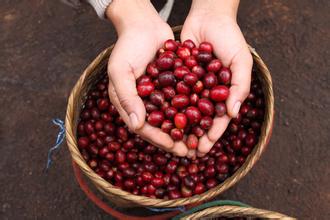
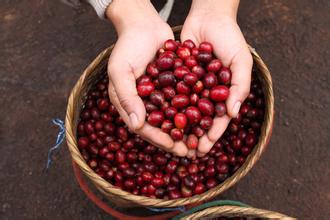
El Salvador Coffee Flavor and Volcanic Terroir
If you’ve ever sipped a Salvadoran coffee and wondered what gives it that bright acidity and floral complexity, the answer lies beneath your cup. El Salvador’s unique geography—marked by high altitudes and dense volcanic activity—creates ideal conditions for growing distinctive specialty coffee. But what exactly makes this small Central American country so influential in the coffee world?
El Salvador produces high-quality specialty coffee thanks to its dozens of volcanoes, high average elevation, and western regions near Guatemala. These factors combine to create a terroir that emphasizes bright acidity, floral and citrus notes, and medium body—traits sought after by coffee professionals worldwide.
Where Is El Salvador and Why Does Its Geography Matter?
El Salvador is the smallest and most densely populated country in Central America. It borders Guatemala and Honduras to the north and has a Pacific coastline to the west and south. Despite its small size, the country is home to dozens of volcanoes, giving it the highest density of volcanoes in the world—earning it the nickname “the Land of Volcanoes.” This volcanic landscape is a major factor in the distinctiveness of its coffee.
How Volcanic Soil Influences Coffee Flavor
The volcanic soil in El Salvador is rich in minerals like nitrogen, phosphorus, and potassium, which are essential for coffee plant health and bean development. These nutrients contribute to a cup profile often described as bright, balanced, and complex. The high mineral content supports healthy tree growth and enhances the development of sugars in the coffee cherry, leading to more pronounced fruity and floral notes in the brewed coffee.
The elevated regions, particularly in the western part of the country near Guatemala, benefit from cooler temperatures and slower cherry maturation. This extends the development period, allowing for greater complexity in the cup. The combination of volcanic soil and high elevation is a key reason why Salvadoran coffees often score highly on the specialty scale.
Key Coffee-Growing Regions in El Salvador
The primary coffee-growing areas in El Salvador are located in the western highlands, close to the border with Guatemala. These regions typically sit at elevations between 1,200 and 1,600 meters above sea level—ideal for growing Arabica, especially Typica, Bourbon, and Pacas varieties. The high altitudes slow down the ripening process, leading to denser beans with more concentrated flavors.
While the entire country has volcanic soil, the western zones near the Guatemalan border are especially renowned for producing coffees with vibrant acidity and layered fruit and floral characteristics. These areas benefit not just from elevation but also from consistent rainfall and well-drained volcanic soils that are perfect for coffee cultivation.
What Sets Salvadoran Coffee Apart in Flavor?
Salvadoran specialty coffees are typically known for a bright acidity, often accompanied by notes of citrus, floral tones, and a smooth, medium body. These profiles are shaped by both the terroir and common processing methods, which often include washed processing to highlight clarity and acidity. The result is a coffee that stands out in a blend and shines as a single origin offering.
Coffees from El Salvador frequently exhibit a clean cup with a well-balanced structure, making them a favorite among roasters looking for versatility. Whether brewed as filter or espresso, these beans tend to produce a cup with nuance and approachability.
Frequently Asked Questions
What makes El Salvador’s coffee growing environment unique?
El Salvador’s coffee environment is defined by its high-altitude regions, volcanic soil rich in minerals, and proximity to Guatemala. The country has the highest density of volcanoes in the world, which contributes to nutrient-rich, well-drained soils. Combined with elevations between 1,200–1,600 meters, these factors support slow cherry maturation and complex flavor development in the coffee.
Which coffee varieties are commonly grown in El Salvador?
The most commonly grown coffee varieties in El Salvador include Typica, Bourbon, and Pacas. These Arabica types thrive in the country’s high-altitude volcanic regions and are known for producing bright, balanced cups with good acidity and body.
What flavor notes are typical in Salvadoran specialty coffee?
Salvadoran specialty coffees often have bright acidity with flavors of citrus, floral notes, and a smooth medium body. The flavor profile is shaped by volcanic soil, high elevation, and washed processing methods, resulting in a clean and nuanced cup.
Where in El Salvador is most coffee grown?
Most of El Salvador’s specialty coffee is grown in the western highlands, near the border with Guatemala. This region features ideal growing conditions, including high elevation and volcanic soils that enhance coffee quality.
Does volcanic soil really affect coffee flavor?
Yes. Volcanic soil is rich in essential minerals like potassium, phosphorus, and nitrogen, which support healthy coffee plant growth and enhance sugar development in the cherries. This typically results in a brighter, more complex cup with distinctive flavor notes.
Why is altitude important for coffee in El Salvador?
Higher altitudes slow the ripening of coffee cherries, allowing more time for sugar accumulation and flavor complexity to develop. In El Salvador, elevations of 1,200–1,600 meters are common in coffee-growing regions, contributing to the bright and nuanced profiles of its specialty coffees.
Recommended FrontStreet Coffee for Salvadoran Profiles
For fans of Salvadoran coffee profiles, try FrontStreet Coffee’s Ethiopia Huakui for its floral brightness and citrus notes, or Panama Huacai for a comparable balance of fruit and acidity. Both showcase the kind of clarity and complexity often found in high-elevation Salvadoran beans. Freshly roasted within 5 days · Orders placed before 17:00 ship the same day · Next-day delivery across most of Guangdong Province.
FrontStreet Coffee is a long-established specialty coffee roaster in Guangzhou China, selling freshly roasted beans from its own farm in Yunnan as well as dozens of carefully selected single-origin beans from around the world for both pour-over and espresso. The products deliver consistently excellent quality and great value, with shipping within 24 hours. Guangzhou's FrontStreet Coffee shop is recommended by many coffee lovers, and the beans are now available online at the Tmall 。
Important Notice :
前街咖啡 FrontStreet Coffee has moved to new addredd:
FrontStreet Coffee Address: 315,Donghua East Road,GuangZhou
Tel:020 38364473