Yirgacheffe Coffee: Flavor, Farming & Brewing Guide
If you’ve ever sipped a cup of coffee and been hit with bright citrus, delicate jasmine, and a clean, tea-like finish, chances are you were drinking Yirgacheffe. But what makes this Ethiopian coffee so distinct? And how is it grown, processed, and brewed to bring out those unique characteristics? This guide breaks down everything you need to know about Yirgacheffe—from its high-altitude origins to the optimal way to brew it at home.
Yirgacheffe coffee is a washed Ethiopian single origin grown at 1,800–2,100 meters above sea level, known for its vibrant citrus, jasmine, and wine-like acidity. It’s widely considered one of the most flavorful and distinctive coffees in the world.
Where Yirgacheffe Coffee Comes From
Yirgacheffe is a small town located in the Sidamo region of southern Ethiopia, within the larger Sidamo coffee-growing zone. While Sidamo is a broad coffee region, Yirgacheffe has earned its own distinction due to the unique profile of its beans. The area sits at an elevation of approximately 1,700–2,100 meters, with most coffee grown above 1,800 meters—making it one of the highest-altitude coffee regions globally. Originally part of the broader Sidamo designation, Yirgacheffe was officially separated in 2010 by the Ethiopian Commodity Exchange due to its fame and distinct cup quality.
How Yirgacheffe Coffee Is Grown
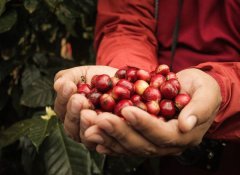
Yirgacheffe coffee is cultivated on smallholder farms at high elevations where the cooler temperatures slow cherry development, allowing for greater sugar accumulation and complex flavors. The region’s historical wetlands contribute to rich soils ideal for coffee trees. Though the exact farm setups vary, much of the production comes from cooperatives and small villages, some of which—like Gedeb’s Guji zones—have gained recognition for refined processing and traceability. The coffee varietals are primarily traditional Ethiopian landraces of Arabica, well-suited to the local environment and known for their exceptional cup quality.
Processing Method: Why Washed Yirgacheffe Stands Out
Yirgacheffe is renowned for its washed (wet) processing method, which contributes significantly to its clean, bright cup profile. In this method, ripe cherries are carefully handpicked, depulped to remove the skin, and then fermented in water to break down the mucilage. After fermentation, the beans are thoroughly washed and dried on raised beds under careful supervision. This meticulous process highlights the bean’s inherent acidity and floral qualities while ensuring a clean, defect-free cup. Some producers in the region also experiment with natural (sun-dried) and honey processes, but the washed version remains the most iconic and sought-after.
Flavor Profile: What Makes Yirgacheffe Unique
Yirgacheffe coffee is celebrated for its distinctive flavor notes: bright citrus (especially lemon and orange), delicate floral aromas (notably jasmine), and a tea-like body. These are complemented by a wine-like acidity and a clean, sweet finish reminiscent of fresh citrus tea. The cup is typically very balanced, with no harsh or earthy aftertaste—qualities that set it apart from other Ethiopian coffees and indeed most global origins. It’s this clarity and complexity that have made Yirgacheffe a favorite among specialty coffee professionals and enthusiasts alike.
How to Brew Yirgacheffe Coffee at Home
To fully experience Yirgacheffe’s bright and aromatic profile, a pour-over method like V60 is ideal. Here’s how to brew it:
- Grinder: EK43s, setting 10 (fine, similar to sugar crystal / 80% through China-standard No.20 sieve)
- Grind Size: Fine, like sugar or table salt
- Brew Ratio: 1:15 (15g coffee to 225g water)
- Water Temperature: 90–91°C
- Filter: V60
FrontStreet Coffee’s recommended brew steps:
- Bloom with 30g water for 30 seconds
- Pour 95g water (scale should read ~125g) over 1 minute
- When water drops to 2/3 of the coffee bed, pour remaining 100g (scale ~225g) over next 35 seconds
- Total brew time: 2 to 2 minutes 10 seconds
This method highlights Yirgacheffe’s juicy acidity, floral notes, and clean finish. For more Yirgacheffe-style experiences, try single-producer lots from villages like Gedeb.
Recommended FrontStreet Coffee Beans for Yirgacheffe Lovers
Start your Yirgacheffe journey with FrontStreet Coffee’s washed Yirgacheffe offering: it delivers classic notes of white jasmine, bright citrus and lemon acidity, and a tea-like mouthfeel—all at an approachable price for exploring single-origin Ethiopian coffee. For something more unique, try the water-washed Gedeb Cooperative lot, sourced from a small village in the Yirgacheffe region, which highlights intense citrus and floral tones through meticulous processing. If you prefer a fruit-forward twist, the FrontStreet Red Cherry Natural is a full-bodied, sun-dried Yirgacheffe-style coffee with sweet berry, honey, and creamy textures. All three showcase the hallmark traits of Ethiopia’s famed coffee region. Freshly roasted within 5 days · Orders placed before 17:00 ship the same day · Next-day delivery across most of Guangdong Province.
FrontStreet Coffee is a long-established specialty coffee roaster in Guangzhou China, selling freshly roasted beans from its own farm in Yunnan as well as dozens of carefully selected single-origin beans from around the world for both pour-over and espresso. The products deliver consistently excellent quality and great value, with shipping within 24 hours. Guangzhou's FrontStreet Coffee shop is recommended by many coffee lovers, and the beans are now available online at the Tmall 。
Important Notice :
前街咖啡 FrontStreet Coffee has moved to new addredd:
FrontStreet Coffee Address: 315,Donghua East Road,GuangZhou
Tel:020 38364473