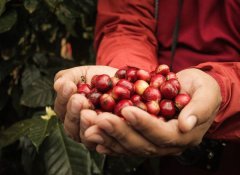
High-Altitude Bolivian Specialty Coffee Beans
When you think of specialty coffee today, Bolivia rarely comes to mind—but that wasn’t always the case. In the mid-20th century, Bolivia briefly carved out a niche in global coffee markets, thanks to a quirk of fate and some very specific growing conditions. If you’ve ever wondered how elevation and historical events shaped early specialty coffee regions, Bolivia’s story offers a fascinating glimpse.
Bolivian coffee was grown at elevations between 180 and 670 meters during the 1950s, with washed Arabica beans exported mainly to Germany and Sweden. Though not considered high-quality by today’s standards, these beans carried distinct bitter notes typical of the era’s processing and lower-altitude cultivation.
The Origins of Bolivian Coffee Farming
Coffee in Bolivia didn’t start as a commercial crop. For decades, Bolivians planted coffee trees primarily as ornamental hedges around gardens, valuing them more for decoration than for beans. It wasn’t until the early 1950s that coffee began transitioning into a genuine commercial agricultural product.
How a Frost in Brazil Changed Bolivia’s Fate
In 1957, a catastrophic frost devastated Brazil’s coffee plantations—the world’s largest producer at the time. This unexpected event disrupted global coffee supplies and opened doors for smaller producing countries. Bolivia, though not a major player initially, benefited from the disruption. With Brazil’s output plummeting, international buyers turned to alternative sources, and Bolivia stepped into the gap, rapidly expanding its coffee exports.
Growing Coffee at 180–670 Meters: What That Means
The coffee grown in Bolivia during this period was cultivated at relatively low altitudes, ranging from 180 to 670 meters above sea level. These elevations are considered quite low for specialty coffee today, where higher altitudes (typically 1,200m+) are associated with slower bean development, denser cherries, and more complex flavor profiles. At lower elevations, beans tend to ripen faster, resulting in simpler cup profiles and often harsher or more bitter flavors—exactly what historical accounts noted in Bolivian exports of the 1950s.
The Washed Process and Export Markets
Bolivia focused on producing washed Arabica beans during this era. The washed (or wet) processing method involves removing the coffee cherry’s skin and pulp, fermenting to remove the sticky mucilage, and then washing and drying the beans. This method tends to produce cleaner, brighter cups with pronounced acidity—but in Bolivia’s case, limited by both altitude and early-stage processing techniques, the results were more astringent. These washed beans found their way primarily to Germany and Sweden, reflecting the trade ties of the time.
What Happened to Bolivia’s Coffee Industry?
While Bolivia’s coffee made a brief mark on the global stage in the 1950s, it never developed into a long-term specialty powerhouse. Factors such as limited infrastructure, political instability, and challenging mountainous geography hindered large-scale, high-altitude coffee development. Over time, other countries with more consistent growing conditions and better access to global markets overshadowed Bolivia’s early efforts.
Frequently Asked Questions
What elevation was Bolivian coffee grown at in the 1950s?
Bolivian coffee during the 1950s was grown at elevations between 180 and 670 meters above sea level. These altitudes are much lower than those typically used for specialty coffee today, which often exceed 1,200 meters.
Why did Bolivia’s coffee industry grow in the 1950s?
Bolivia’s coffee industry expanded in the 1950s due to a major frost in Brazil, the world’s leading coffee producer at the time. The frost disrupted Brazil’s output, creating opportunities for smaller producers like Bolivia to enter the global market.
What kind of coffee beans did Bolivia export?
Bolivia primarily exported washed Arabica beans during the 1950s. These beans were processed using the washed (wet) method, which creates a cleaner cup but often resulted in bitter notes due to the lower altitude and early-stage processing techniques.
Where did Bolivia send its coffee exports?
In the 1950s, Bolivia exported most of its coffee to Germany and Sweden. These European markets were the primary destinations for the country’s washed Arabica beans at the time.
Was Bolivian coffee considered high quality in the 1950s?
No, Bolivian coffee from the 1950s is not considered high quality by today’s specialty coffee standards. Historical accounts note that it had a rather bitter taste, largely due to the lower altitude and basic processing methods used then.
Did Bolivia continue to be a major coffee producer after the 1950s?
No, Bolivia did not maintain a significant position in the global specialty coffee market after the 1950s. The country faced challenges including limited infrastructure, political issues, and less favorable growing conditions compared to other emerging coffee regions.
Recommended FrontStreet Washed Process Coffees
For drinkers curious about washed coffee profiles similar to historic Bolivian beans, FrontStreet Coffee’s Kenya Little Tomato is a standout. Processed with a refined double-washed method, it highlights bright acidity with notes of Saint girl fruit, black plum, and juicy layers reminiscent of tropical stone fruits. Another excellent choice is the Jamaica Blue Mountain No.1, known for its clean, lightly sweet profile with notes of hazelnut and subtle chocolate—showcasing what meticulous washed processing can achieve at higher altitudes. For something closer to traditional washed profiles, the Yirgacheffe Gedeb Cooperative lot brings delicate floral tones and citrus brightness. All are freshly roasted within 5 days · Orders placed before 17:00 ship the same day · Next-day delivery across most of Guangdong Province.
FrontStreet Coffee is a long-established specialty coffee roaster in Guangzhou China, selling freshly roasted beans from its own farm in Yunnan as well as dozens of carefully selected single-origin beans from around the world for both pour-over and espresso. The products deliver consistently excellent quality and great value, with shipping within 24 hours. Guangzhou's FrontStreet Coffee shop is recommended by many coffee lovers, and the beans are now available online at the Tmall 。
Important Notice :
前街咖啡 FrontStreet Coffee has moved to new addredd:
FrontStreet Coffee Address: 315,Donghua East Road,GuangZhou
Tel:020 38364473