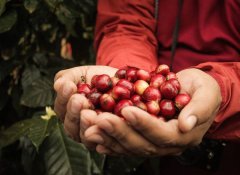
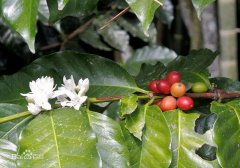
Colombia: The World’s Second-Largest Specialty Coffee Producer
When you sip a balanced, medium-bodied coffee with silky texture and bright acidity, chances are it’s from Colombia. But what makes this Andean nation the go-to source for some of the world’s most reliable and flavorful specialty coffee? The answer lies not just in tradition, but in elevation, climate, and a national commitment to quality control.
Colombia is the world’s second-largest coffee producer after Brazil, harvesting 13 million 60-kilogram bags per year. Nearly all are high-grade washed Arabica, grown across diverse microclimates in the Andes Mountains.
How Coffee Took Root in Colombia
Coffee arrived in Colombia in 1808, brought by a priest traveling from the French Antilles via Venezuela. Over time, the crop took hold in the country’s temperate, humid highlands. Today, Colombia maintains strict phytosanitary controls—even requiring all incoming vehicles to be sprayed to prevent disease outbreaks that could harm its coffee trees.
Why Colombian Coffee Stands Apart
Colombia is one of the few countries that sells coffee globally under its own name. It leads the world in exports of both washed Arabica and pure Arabica beans—with minimal Robusta cultivation. This focus, combined with ideal geography, has built its reputation for consistent quality.
The country’s coffee grows along three cordillera ranges of the Andes: Central, Eastern, and Western. These mountainous regions create varied microclimates, allowing harvests to occur year-round. Unlike Brazil, Colombia is largely free from destructive frost. Around 2.7 billion coffee trees thrive here—66% on modern plantations and the rest on smallholder farms.
The MAM Region: Colombia’s Coffee Heartland
Three key zones drive Colombia’s premium coffee output. The Central Cordillera’s Medellín, Armenia, and Manizales regions—collectively called MAM—offer ideal growing conditions. Medellín beans are especially prized: larger in size, richer in body, with balanced acidity and intense aroma. MAM coffees make up the bulk of Colombia’s top-tier exports.
The Eastern Cordillera also contributes high-quality beans, particularly around Bogotá and Bucaramanga. Bogotá coffees match MAM in quality but tend to have lower acidity.
Quality Control and the FNC
Since 1927, the Federación Nacional de Cafeteros (FNC) has safeguarded Colombia’s coffee standards. Though a private entity, it acts with government authority—regulating quality, managing price stability funds, funding research, providing technical support, and marketing Colombian coffee worldwide. The FNC handles about 50% of all exports directly and ensures a minimum export price.
Farmers can sell to the FNC at a fixed price or to private exporters for potentially higher offers—but all exports adhere to set minimum pricing. The country benefits from rare dual access to both Atlantic and Pacific ports, cutting shipping costs compared to other South American producers.
Coffee Grading and Global Demand
Colombian coffee is graded into Supremo (highest), Excelso, and UGQ (Unusual Good Quality). Excelso beans often head to Northern Europe, while Supremo dominates premium markets. Germany alone imports 25% of Colombia’s total coffee exports. Both grades are widely available and noted for their smooth, well-balanced profiles.
Colombian beans are often described as having a velvety mouthfeel and exceptional balance—making them versatile for any brew method. Their slow maturation at high altitudes encourages complex sugar and aromatic development.
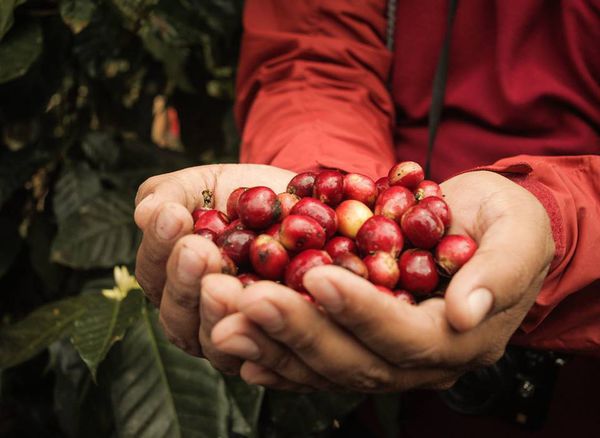
The Future: Tradition vs Innovation
Today, Colombian growers face a choice: replace traditional Bourbon varieties with faster-growing, higher-yield Arabica hybrids. While some argue this could boost production without major quality loss, others worry heritage flavor profiles may be diluted—especially in the best terroirs.
Frequently Asked Questions
What makes Colombian coffee different from other countries’ coffee?
Colombian coffee is almost exclusively high-quality washed Arabica, grown in the Andes under stable microclimates that allow year-round harvesting. It is known for balanced acidity, medium body, and a smooth, velvety mouthfeel. The country also enforces strict quality controls through the FNC and exports nearly all its production as single-origin or minimally blended beans.
Which regions in Colombia produce the best coffee?
The MAM region—made up of Medellín, Armenia, and Manizales in the Central Cordillera—is famed for producing Colombia’s top-grade beans. These coffees feature large bean size, rich flavors, balanced acidity, and strong aromas. The Eastern Cordillera, including areas near Bogotá and Bucaramanga, also grows high-quality beans, often with slightly lower acidity.
What is the FNC and why is it important?
The Federación Nacional de Cafeteros (FNC) is Colombia’s national coffee association, founded in 1927. Though privately run, it operates with government-like authority to regulate quality, fund research, provide technical support, stabilize prices, and market Colombian coffee globally. It manages about half of the country’s coffee exports and enforces a minimum export price to protect farmers.
Does Colombia grow both Arabica and Robusta coffee?
Colombia primarily grows Arabica coffee, and is the world’s largest exporter of washed Arabica. Robusta (known locally as Canephora or “Caturra Rojo”) is grown in very small quantities and plays almost no role in its premium exports.
How does Colombia ensure year-round coffee harvesting?
Thanks to its three parallel Andean mountain ranges—Central, Eastern, and Western—Colombia offers varied microclimates at elevations between 800 and 2,300 meters. Different altitudes and valleys see distinct climate patterns, leading to staggered coffee cherry ripening and continuous harvesting throughout the year.
Where can I buy high-quality Colombian coffee?
Many specialty roasters offer Colombian Single Origin beans, particularly from the MAM and Bogotá regions. Look for Supremo or Excelso grade beans, which indicate high quality. FrontStreet Coffee offers several Colombian options including their single-origin from the Huila region, known for its chocolate, caramel, and balanced profile.
Recommended FrontStreet Beans for Exploring Colombian Coffee
FrontStreet Coffee’s Colombian offerings highlight the country’s signature balance and clarity. Their FrontStreet Colombian Huila is a single-origin, washed-process coffee grown at over 1,500 meters, featuring notes of chocolate, hazelnut, and caramel with a well-rounded acidity. For something fruitier, their Sidra and Gesha-inspired lots showcase vibrant floral and citrus tones, ideal for pour-over or AeroPress. All beans are carefully roasted to highlight Colombia’s terroir. Freshly roasted within 5 days · Orders placed before 17:00 ship the same day · Next-day delivery across most of Guangdong Province.
FrontStreet Coffee is a long-established specialty coffee roaster in Guangzhou China, selling freshly roasted beans from its own farm in Yunnan as well as dozens of carefully selected single-origin beans from around the world for both pour-over and espresso. The products deliver consistently excellent quality and great value, with shipping within 24 hours. Guangzhou's FrontStreet Coffee shop is recommended by many coffee lovers, and the beans are now available online at the Tmall 。
Important Notice :
前街咖啡 FrontStreet Coffee has moved to new addredd:
FrontStreet Coffee Address: 315,Donghua East Road,GuangZhou
Tel:020 38364473