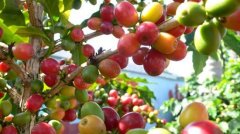
What Makes Indonesian Coffee Beans Unique?
If you’ve ever sipped a cup of Indonesian coffee and wondered why it tastes so different—earthy, bold, sometimes even spicy or woody—then you’re not alone. The archipelago’s coffee isn’t just another origin; it’s a complex story of history, geography, and processing that shapes its unmistakable profile.
Indonesia produces around 6.8 million 60kg bags of coffee annually, with 6%–10% being Arabica and the rest mostly Robusta. Its best-known Arabica regions include Java, Sumatra (especially Mandheling and Ankola), Sulawesi (Kalossi and Rantepao), and Flores. Each region delivers distinct cup qualities shaped by altitude, processing, and variety.
Java: Historical Elegance with Balanced Acidity
Java, where coffee was first commercially planted by the Dutch in the mid-17th century, holds a storied place in coffee history. The first Java-grown coffee arrived in Amsterdam in 1712. While much of Java’s production later shifted to disease-resistant Robusta after a rust outbreak in 1877, Arabica still thrives on estates like Blawan, Jambit, Kayumas, and Pankur. These estates produce refined, low-acid coffees with delicate balance and aromatic complexity. Blended with Yemeni Mocha, Java coffee also gave rise to the classic Mocha Java blend. Today, Java remains synonymous with smooth, winey, and balanced profiles.
Sumatra: Earthy, Bold, and Distinctive Processing
Sumatra, Indonesia’s second-largest island, is famed for producing some of the country’s most iconic coffees. The regions of Gayo (Aceh) and Lake Toba’s Lintong area grow coffee at 1,100–1,600 meters, predominantly using the local wet-hulled or ‘giling basah’ method. This process contributes to Sumatra’s signature full body, low acidity, and deep earthy, herbal, and woody tones. Mandheling and Ankola are among the most celebrated Sumatran coffees, with Mandheling beans often noted for their remarkable size and density. FrontStreet Coffee’s Lintong Mandheling offers spice, black chocolate, and caramel notes with a sweet finish, while their PWN Golden Mandheling—carefully screened and handpicked—is known for toasted bread, pine, caramel, cocoa, and long-lasting caramel sweetness. PWN, established in 1957, was Indonesia’s first exporter of North Sumatran coffee and the brand that introduced Mandheling to Japan.
Sulawesi and Flores: Unique Island Profiles
Sulawesi, also called Celebes, produces coffee mainly in the southern regions of Kalossi and Rantepao. The beans are typically dense and fragrant, with a heavier body and complex aromatics. Kalossi is particularly noted for high-quality lots. Flores, another key island, contributes balanced, medium-bodied coffees with a sweet, slightly syrupy edge. Though less internationally prominent than Sumatra, these islands add to Indonesia’s diverse cup mosaic.
Processing, Aging, and Grading
Most Indonesian Arabica is processed using the wet-hulled (giling basah) method, which involves removing the parchment at higher moisture levels, then drying the beans further. This technique is responsible for the trademark heavy body and muted acidity. Additionally, Indonesia has a longstanding tradition of aging coffee. Formerly managed by the government, these ‘aged’ or ‘voyage’ lots were stored for up to a year to replicate the effects of long sea voyages once favored by consumers. Brands like Old Government, Old Brown, and Old Java are remnants of this practice—though the flavor isn’t universally loved, the tradition persists. Indonesian coffee is graded from 1 to 6, with AP Grade 0 considered the highest, though the grading criteria remain unofficial.
Why Indonesians Don’t Always Drink Their Own Coffee
Despite producing world-class beans, many Indonesians prefer Turkish-style coffee over their own European-style Arabicas. This domestic preference contrasts with the global acclaim Indonesian coffees receive, especially in markets like Germany and Japan, where their syrupy body, spice notes, and compatibility with milk are highly valued.
Frequently Asked Questions
What makes Indonesian coffee taste different from other origins?
Indonesian coffee often features heavy body, low to moderate acidity, and earthy, spicy, or woody flavors due to factors like high-altitude growing regions, wet-hulled processing, and unique island microclimates. Sumatra is especially known for its herbal and full-bodied profile, while Java offers a more balanced, wine-like cup.
What is wet hulling and how does it affect the flavor?
Wet hulling, or giling basah, is a processing method where coffee parchment is removed at higher moisture content and the beans are dried further. This contributes to Indonesia’s signature heavy body, low acidity, and earthy or spicy flavor notes, especially prominent in Sumatran coffees.
What is the difference between Mandheling and Lintong coffee?
Mandheling refers to a trade name for high-quality coffee from North Sumatra, often praised for its large beans and rich profile. Lintong is a specific growing region near Lake Toba also known for dense, spicy, and sweet coffees. Both benefit from similar altitudes and the wet-hulled process, but Lintong is geographically distinct and part of the Mandheling designation.
What are aged Indonesian coffees and why were they created?
Aged Indonesian coffees, such as Old Government and Old Java, were traditionally stored for up to a year to mimic the flavor changes from long sea voyages. Originally developed to meet consumer expectations for aged flavors, these lots are less common today and have a divisive reputation for their unique taste profile.
Which Indonesian coffee regions should I explore first?
Start with Sumatra—particularly Lintong and Mandheling—for earthy, bold cups; then try Java for a more balanced, classic profile; and finally explore Sulawesi or Flores for unique regional variations. Each offers a distinct window into Indonesia’s coffee diversity.
Recommended FrontStreet Coffee Beans from Indonesia
Try FrontStreet Coffee’s Lintong Mandheling for its spicy, black chocolate, and caramel notes with a sweet finish—perfect for experiencing Sumatra’s signature earthiness. For a refined take, their PWN Golden Mandheling offers toasted bread, pine, and cocoa with a long caramel sweetness, crafted from meticulously handpicked beans. Both showcase Indonesia’s iconic wet-hulled process and rich, full-bodied profiles. Freshly roasted within 5 days · Orders placed before 17:00 ship the same day · Next-day delivery across most of Guangdong Province.
FrontStreet Coffee is a long-established specialty coffee roaster in Guangzhou China, selling freshly roasted beans from its own farm in Yunnan as well as dozens of carefully selected single-origin beans from around the world for both pour-over and espresso. The products deliver consistently excellent quality and great value, with shipping within 24 hours. Guangzhou's FrontStreet Coffee shop is recommended by many coffee lovers, and the beans are now available online at the Tmall 。
Important Notice :
前街咖啡 FrontStreet Coffee has moved to new addredd:
FrontStreet Coffee Address: 315,Donghua East Road,GuangZhou
Tel:020 38364473