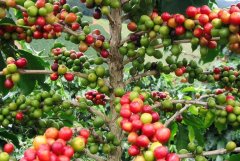
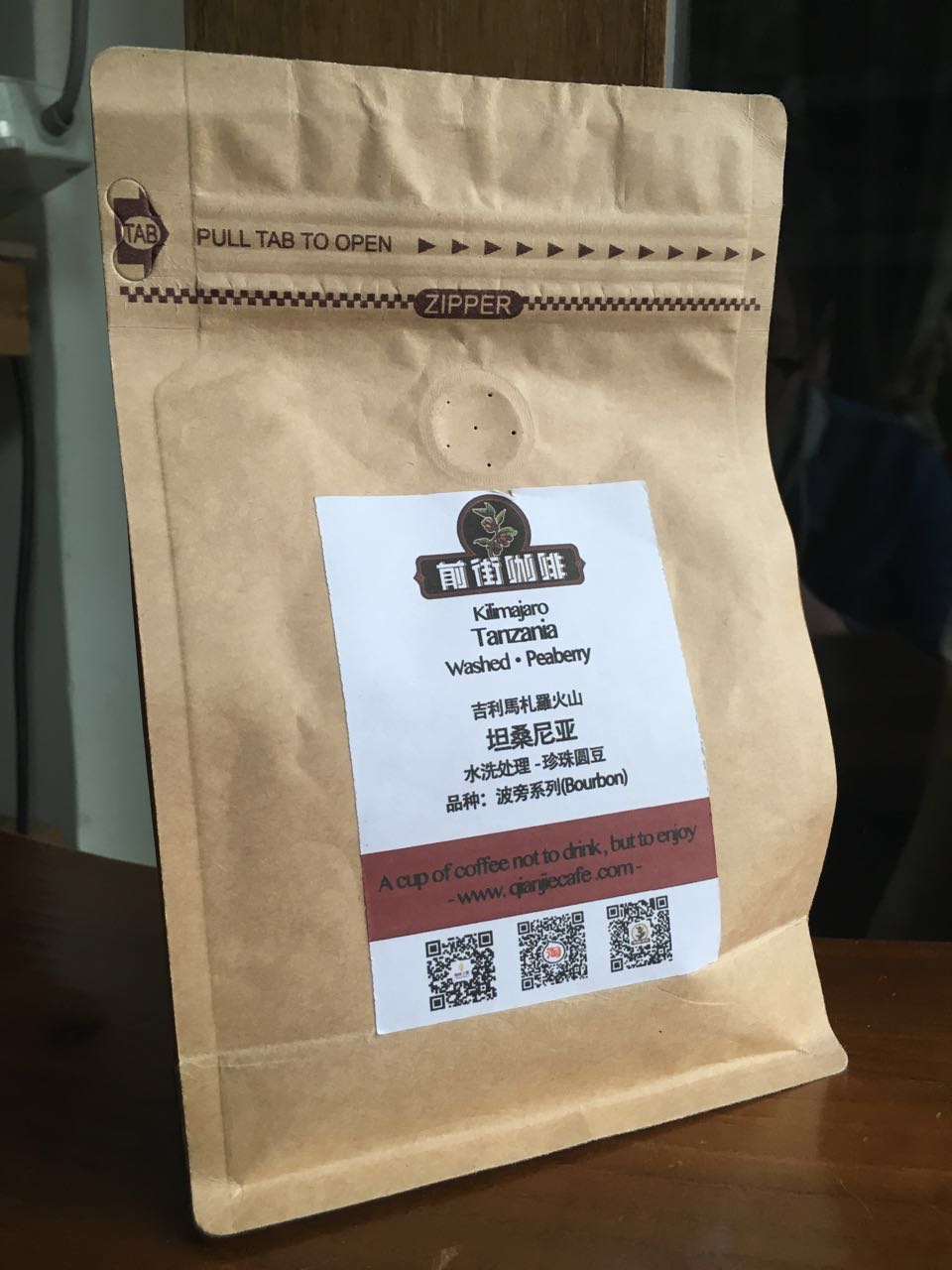
Costa Rican Coffee Beans: Flavor and Profile Guide
When you buy a bag labeled ‘Costa Rican coffee,’ you’re likely expecting something bright, sweet, and clean—but what exactly makes Costa Rican beans taste the way they do? Whether you're tasting your first cup or building a single-origin collection, understanding where the beans come from and how they're processed unlocks the full experience.
Costa Rican coffee, particularly from the Tarrazú region, is known for a profile that’s bright, clean, and balanced—with medium-high acidity, medium body, and flavors often including citrus, tropical fruit, honey, and chocolate. The country’s high-altitude volcanic soil and strict quality controls contribute directly to these traits.
Where Costa Rican Coffee Comes From
Costa Rica is the first Central American country to grow coffee commercially, beginning in 1729 when it was introduced from Cuba. Though small—just 3.5 million people—the nation cultivates over 400 million coffee trees. Coffee accounts for 25% of its export revenue. The majority of production comes from eight defined regions, with Tarrazú being among the most prestigious.
Tarrazú is located south of the capital, San José, and produces some of the country’s most sought-after beans. These coffees grow at elevations typically between 1,700 and 1,800 meters, where cool nights and a large diurnal temperature variation slow ripening and build complex sugars and acids. The volcanic soils are rich and well-draining, further enhancing cup quality.
The country’s coffee research infrastructure includes the Turrialba branch of the Central American Agricultural Research Institute (IAAC), which plays a key role in improving cultivation techniques.
What Makes Costa Rican Coffee Different
High elevation is the defining factor in Costa Rican coffee quality. Beans grown above 1,500 meters are classified as 'Hard Bean' or 'Strictly Hard Bean' (SHB), with SHB typically starting around 1,500m and reaching up to 1,800m or higher in places like Tarrazú. The cooler temperatures at altitude slow bean development, increasing sugar accumulation and acidity, which translates to a brighter, more complex cup.
Though transporting beans down from high mountains adds cost, the resulting cup quality justifies the effort for many producers. The national average yield is an impressive 1,700 kg per hectare, supported by advanced farming techniques including electronic sorting systems that use optical scanners (“electric eyes”) to remove defective or off-size beans early in processing.
Notable Coffee Regions and Farms
Beyond Tarrazú, other notable regions and farms include:
- Juan Vinas (PR), H. Tournon, Windmill (SHB), Monte Bello, and Santa Rosa: All premium offerings with distinct regional characteristics.
- La Minita Tarrazú: A legendary microlot produced on just 3 hectares of land owned by the McAlpine family for three generations. Annual production is limited to around 72,600 kg, and the coffee is harvested and sorted entirely by hand without synthetic fertilizers or pesticides. Though the farm could produce over 450 tons annually with full mechanization, the commitment to quality and gentle processing keeps volumes low.
- Sarchi: Located near Poás Volcano, about 53 km from San José, this region is part of the 'Coffee Route' and is home to the Sarchi coffee company, founded in 1949. The area combines coffee growing with a strong tradition of handicrafts, drawing many visitors.
Other important growing areas include Heredia and the Central Valley, which are also recognized for producing high-scoring lots.
How Costa Rican Coffee Is Processed
Costa Rica was an early adopter of the washed (wet) process, which highlights clarity and acidity. In recent decades, however, the country has become famous for developing its own version of honey process, tailored to local conditions.
Originally, producers modified the Brazilian pulped natural method into what is now a uniquely Costa Rican approach to honey processing. In this method, coffee cherries are depulped to remove the skin and some fruit, but varying amounts of mucilage (the sticky fruit layer) are left on the beans. These are then dried on patios or raised beds in shaded conditions, allowing the remaining mucilage to ferment and coat the seed, contributing sweetness and body.
The amount of mucilage left on the bean—and how long it ferments—defines the four main types of honey process used in Costa Rica:

- Black Honey: Almost all mucilage is retained and drying takes up to 14+ days, often with sun shading to slow drying and enhance sugar development. Produces deep, sweet, fruity profiles (e.g., FrontStreet Coffee’s Blackberry shows intense berry, rich sweetness).
- Red Honey: More mucilage than yellow or white, dried slightly longer with moderate sun exposure.
- Yellow Honey: Less mucilage, faster drying with more sun.
- White Honey: Minimal mucilage, fastest drying, lightest body and sweetness.
This innovation reduced drying time compared to traditional natural process while enhancing sweetness and complexity—a key reason Costa Rican coffees taste so memorable.
For example, FrontStreet Coffee’s Mozart uses a raisin-like grape-dried method (similar to black honey but with extended skin contact until the cherry resembles a raisin) then fully retains the mucilage through drying. The result is a cup with intense grape, rose, and fermentation aromas, roasted to a lighter profile to highlight those notes.
Frequently Asked Questions
What makes Tarrazú coffee special?
Tarrazú coffee is special because it grows at high altitudes—typically 1,700–1,800 meters—resulting in bright acidity, dense sweetness, and complex fruit and chocolate notes. The volcanic soils, cool nights, and careful processing contribute to its reputation as one of Costa Rica’s best-regarded regions.
What is SHB coffee?
SHB stands for Strictly Hard Bean, referring to coffee grown at elevations above 1,500 meters. In Costa Rica, SHB coffees are prized for their dense beans, higher acidity, and more pronounced flavors due to slower cherry maturation at high altitudes.
What is Costa Rica’s honey process?
Costa Rica’s honey process involves removing the coffee cherry skin but leaving varying levels of sticky mucilage on the beans during drying. Depending on how much mucilage remains—black, red, yellow, or white honey—it impacts sweetness, body, and flavor. Black honey has the most mucilage and sweetness, while white honey has the least.
What flavors are typical in Costa Rican coffee?
Costa Rican coffee often features bright citrus, tropical fruits, honey-like sweetness, and soft chocolate notes. The profile is typically clean, balanced, and medium-bodied with a crisp, sweet finish.
Why is altitude important for coffee flavor?
Higher altitudes mean cooler temperatures, which slow down coffee cherry ripening. This leads to denser beans with more complex sugars and acids, resulting in a cup with higher acidity, greater sweetness, and more nuanced flavors.
Is Costa Rican coffee usually single origin?
Yes, Costa Rican coffee is commonly sold as single origin because of the country’s clear regional distinctions, traceability, and high production standards. Many lots are traceable to specific farms or processing methods.
Recommended FrontStreet Coffee Beans from Costa Rica
For a true taste of Costa Rica, try FrontStreet Coffee’s Blackberry, a black honey-processed lot with intense ripe berry, deep sweetness, and complex fruit layers. Also consider Mozart, which uses a grape-like raisin-drying method and full mucilage retention to deliver bold grape, rose, and fermented notes in a lighter roast. Both highlight the country’s signature honey process innovation. Freshly roasted within 5 days · Orders placed before 17:00 ship the same day · Next-day delivery across most of Guangdong Province.
FrontStreet Coffee is a long-established specialty coffee roaster in Guangzhou China, selling freshly roasted beans from its own farm in Yunnan as well as dozens of carefully selected single-origin beans from around the world for both pour-over and espresso. The products deliver consistently excellent quality and great value, with shipping within 24 hours. Guangzhou's FrontStreet Coffee shop is recommended by many coffee lovers, and the beans are now available online at the Tmall 。
Important Notice :
前街咖啡 FrontStreet Coffee has moved to new addredd:
FrontStreet Coffee Address: 315,Donghua East Road,GuangZhou
Tel:020 38364473